"Do not go where the path may lead,
go instead where there is no path and leave a trail."

— Ralph Waldo Emerson

Other Activities
Not every good day fits a category.

The tours on this site — cycling, hiking, fly fishing — are already a little off the main road. This page is for everything else: ideas that don't fit neatly into any of those, but that I find myself returning to anyway.

Some guests arrive in Japan for the first time with a list and energy to match. Others are back for the fourth or fifth time and looking for something they haven't done yet. Others simply know what they like — food, ceramics, driving at night, sitting somewhere with a good view — and want someone who knows where to go. The range of what people are actually after turns out to be wider than the standard tour menu suggests.

What's here is a loose collection of things I do myself, and have found that certain people genuinely enjoy: department store basement food halls, rooftop beer gardens in summer, harbour night views, a winery in the hills, a day among potters in a town that takes its craft seriously. None of these are hidden secrets. They're just not the first things that appear on a search.

If you have something specific in mind — or no idea at all and want a conversation about what might fit — get in touch.
  • Depa Chika

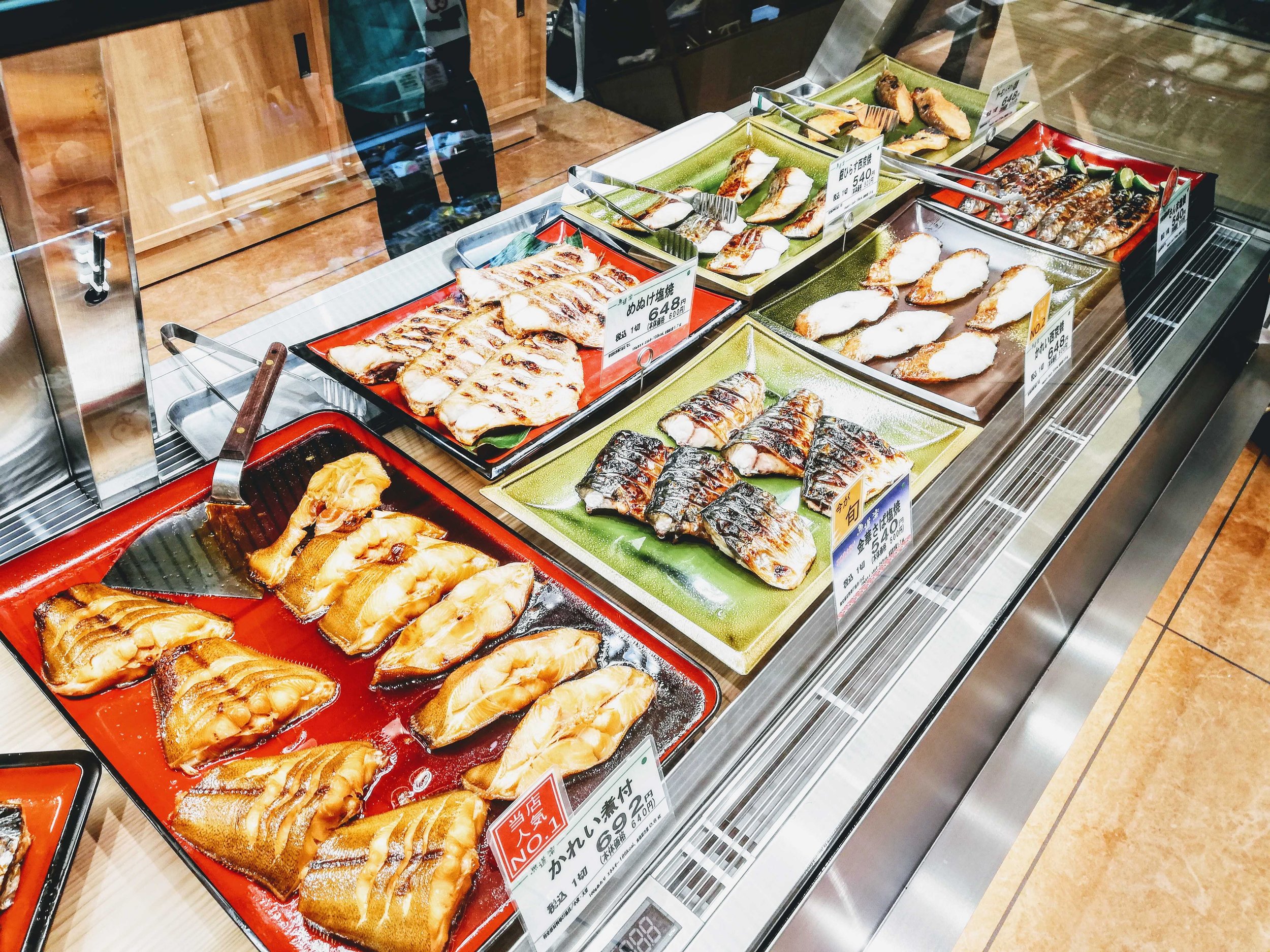
    Japan's department store basement food halls are unlike anything else I know. "Food hall" undersells it. Step inside and what you find is closer to a cultural statement about what food can mean.

    Prepared dishes, bento boxes, sushi, tempura, wagashi, patisserie, cheese, wine, pickles, dashi — each counter operating according to its own grammar, its own standards. Every vendor takes their work seriously, and that seriousness accumulates into something you can feel.

    What makes a depachika distinct is its particular diversity. Premium wagashi sit beside five-hundred-yen side dishes. Japanese, Western, and Chinese preparations share the same floor with no apparent contradiction. Centuries-old recipes and last year's trends, domestic craft and imported goods — mixed together in a way that reflects how Japan has absorbed from the outside world and made things its own. Regional food fairs rotate through regularly — Hokkaido one week, Kyushu the next — bringing the geography of the whole country underground.

    Come in the early evening, pick up dinner, and leave feeling as though you've just circled a world food exposition. Which, in a way, you have.

  • Rooftop Beer Garden

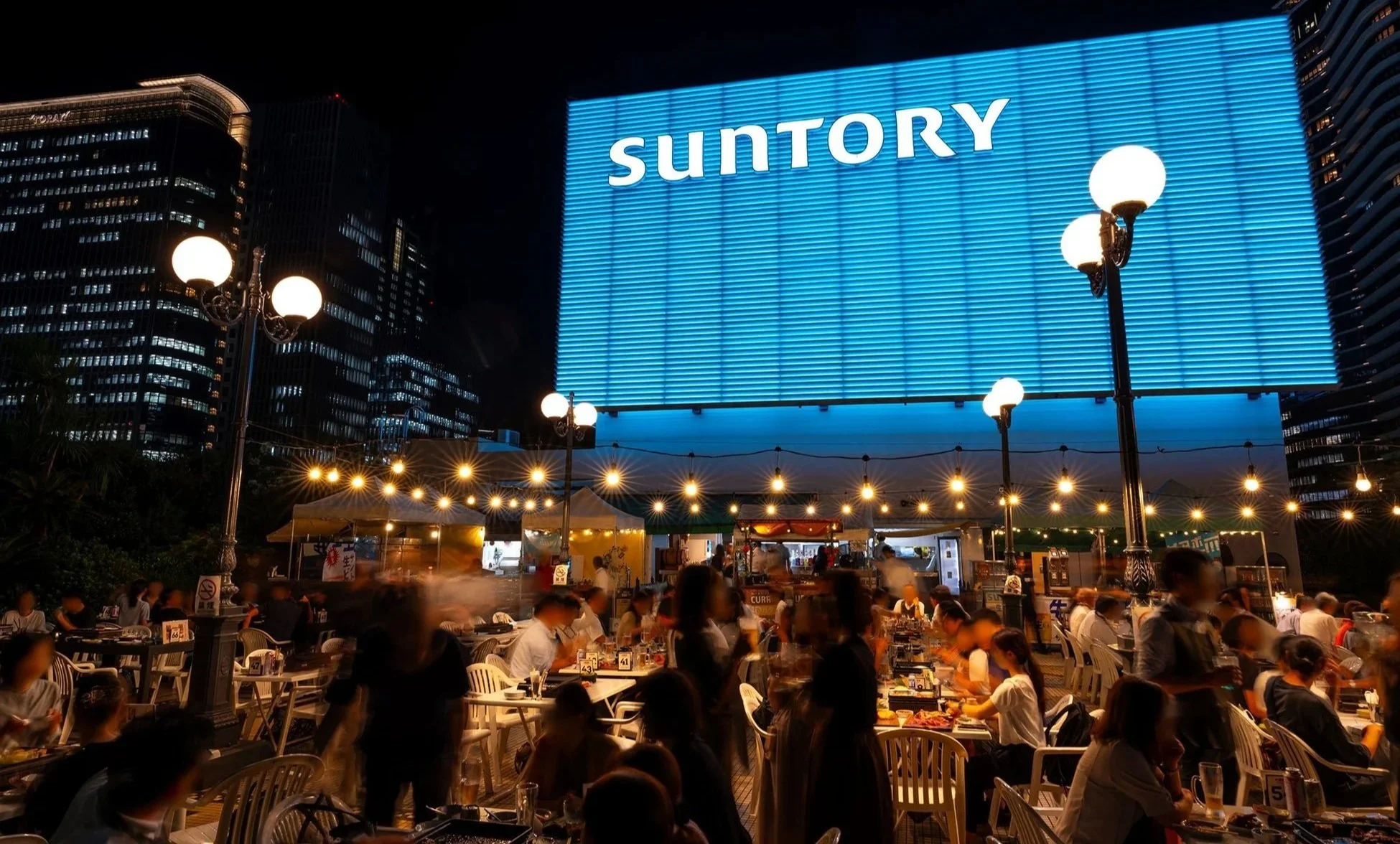
    For most of the year, the rooftop of a Japanese department store is an afterthought. A few rides for children, a vending machine, a view nobody particularly sought out. Then summer arrives, and the place transforms.

    Tables appear. Beer taps are installed. The city spreads out below, and for a few hours on a weekday evening, something quietly extraordinary happens in a space that has no reason to be extraordinary.

    There is an air-pocket quality to a rooftop beer garden. You take an elevator, the doors open, and the logic of the building below no longer applies. The heat of a Japanese summer becomes almost welcome up here, with a cold glass and nowhere in particular to be. The crowd is local — colleagues after work, couples, regulars who have clearly been coming to the same spot for years.

    It is not a sophisticated experience. That is precisely the point. Some of the best hours in any city happen in places that weren't designed to impress anyone.

  • Metropolitan Expressway

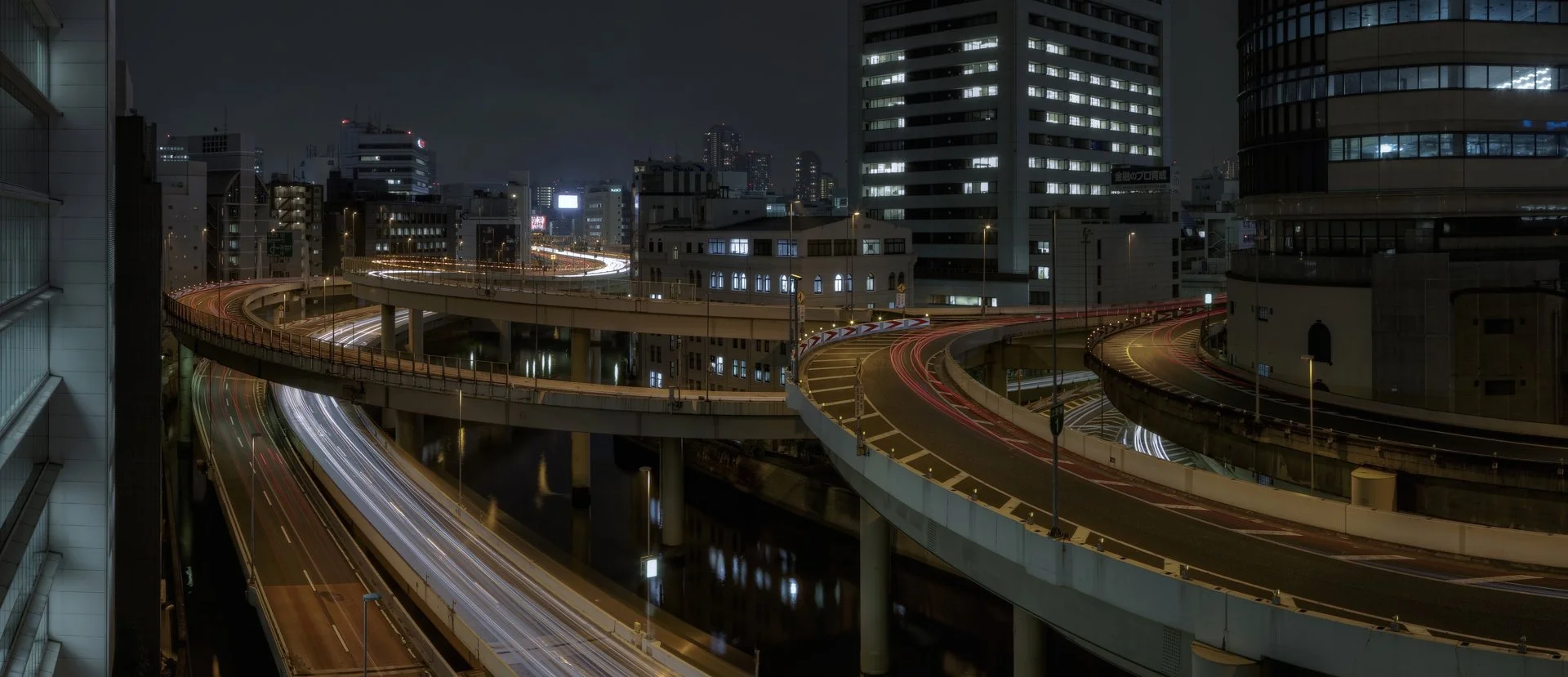
    The Shuto Expressway was built for the 1964 Olympics, threaded through a city that was already dense, with nowhere to go but up — or under. What resulted was less a designed highway than an improvised solution to an impossible problem: elevated sections running above existing streets, tunnels diving beneath them, the whole network stitched together over decades as the city kept growing around it.

    Driving it is unlike any other expressway. You are up among the buildings one moment, in a tunnel the next, then suddenly over water — the Aqua-Line extends the network across Tokyo Bay, so that what began as a city drive ends, improbably, in the middle of the sea. Sharp curves appear with little warning. The speed limit is low, the merges short. It asks for your attention, which is part of why it is interesting.

    At night, the city dissolves into light — harbour cranes, factory glow, the streaks of other cars. Each point of light out there is someone's evening, someone's commute, someone's city. The expressway turns out to be one of the better places from which to feel the scale of what Tokyo actually is.

  • Winery Tour

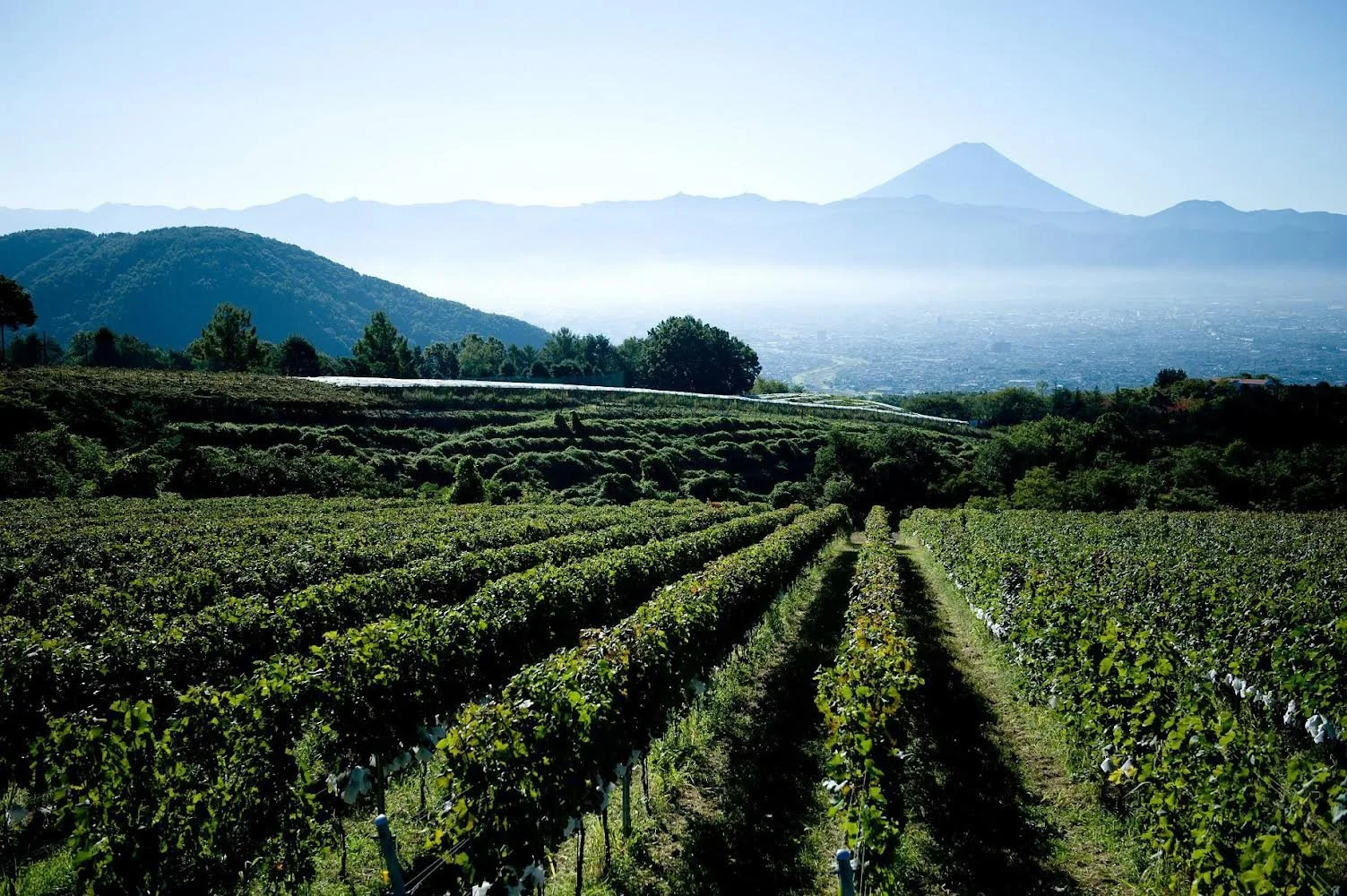
    Ninety minutes from Tokyo, the road climbs through the mountains that ring the Kanto plain and descends into a wide basin — Mount Fuji to the south on a clear day, the Southern Alps to the west. The slopes are gentle and south-facing, the soil well-drained, the air dry. It looks like wine country because it is.

    The Koshu grape has been grown here for centuries. In 1877, Japan's first commercial winery was established in what is now Katsunuma, and around 30 wineries are concentrated in the area today — from large historic producers with cellar tours to family-run estates where the person pouring your wine probably pruned the vines. Koshu — pale, dry, with a mineral quality that suits Japanese food — has begun attracting serious international attention.

    A day here can comfortably include three or four wineries. The better approach is to choose deliberately: one large producer for context, one small family winery for conversation, one with a good terrace for lunch.

    Having a car matters — not because the distances are unmanageable, but because the freedom to stop when something catches your eye is part of what makes the day worthwhile.

  • Industrial Night Views

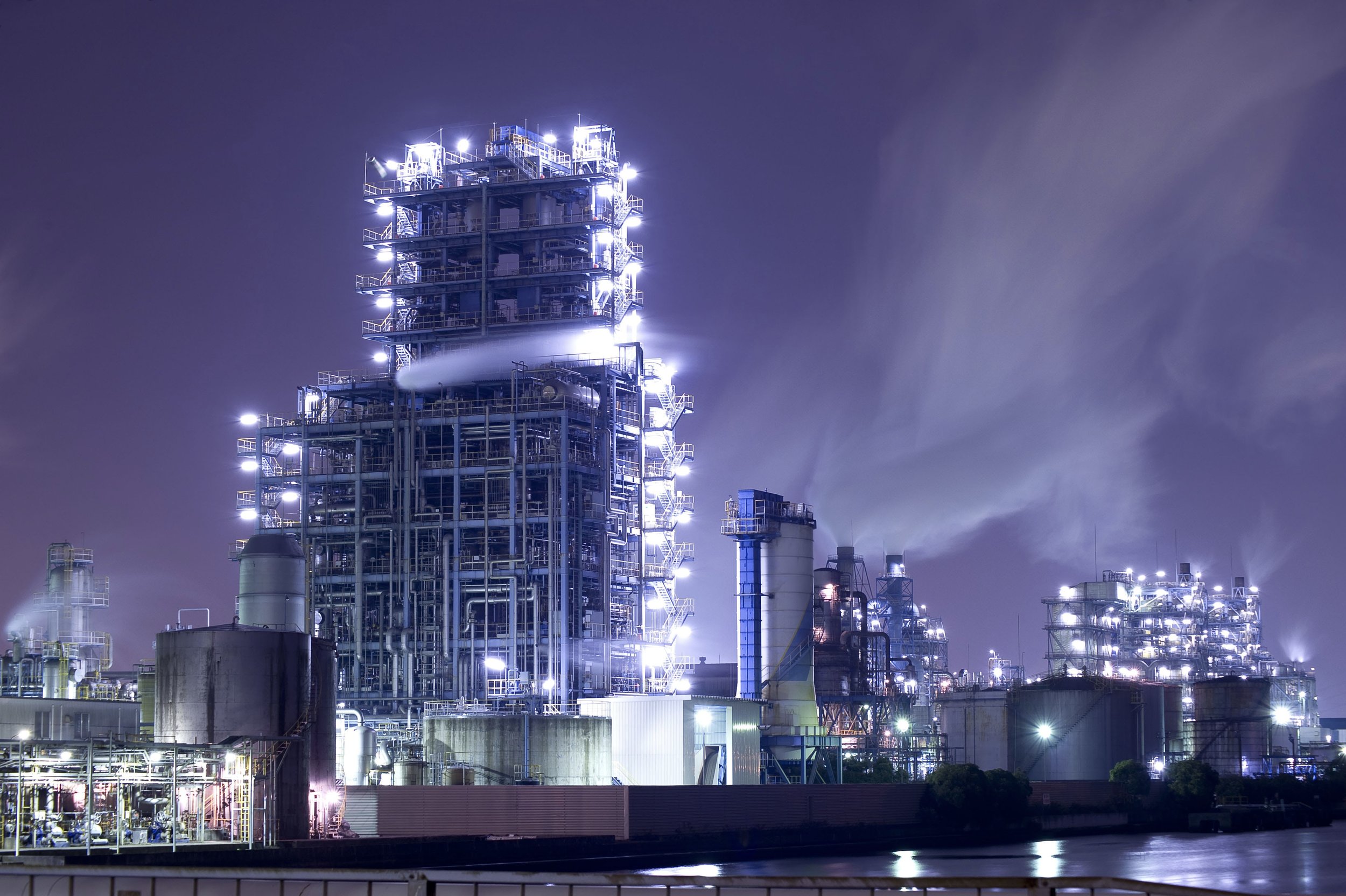
    The industrial zone lining Tokyo Bay south of the city is one of the densest concentrations of heavy industry in Japan — refineries, chemical plants, power stations, steelworks, all operating through the night. What makes it visually arresting is the same thing that makes it functionally necessary: the pipes, towers, flare stacks, and crane structures are lit for work, not for effect. The light is incidental. That's what gives it its particular quality.

    Several spots bring you close enough to feel the scale. Higashi-Ogishima East Park gives direct views across the water to the plant clusters of Ukishima and Chidori-cho, with flare stacks burning off gas above the waterline. The Shuto Expressway's Kawasaki line passes directly through the zone — factories close enough on both sides to feel like a set from something. Chidori-cho, where freight railway tracks run alongside chemical plants, is where most photographers come — winter nights, when steam from the stacks catches the light, are particularly striking.

    Thirty minutes from Tokyo, this works well as an evening extension of a day in the city, or paired with a drive on the Shuto Expressway itself.

  • Swimming

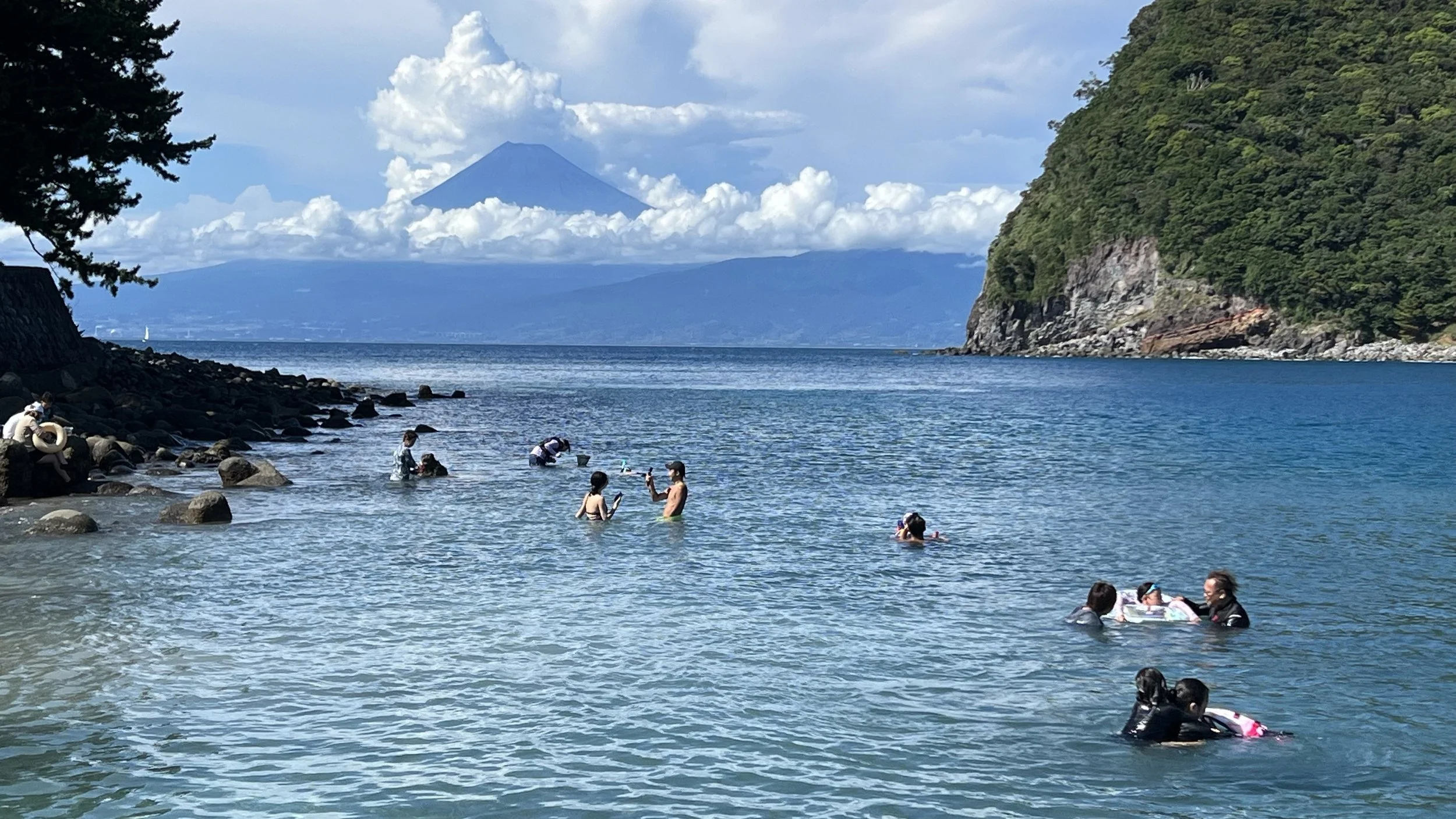
    Japan in summer means water. The options within reach of Tokyo are wider than most visitors expect — the Shonan coast and Miura Peninsula are close and popular; the Boso Peninsula has quieter stretches; the Fuji Five Lakes offer mountain swimming with the volcano overhead; the rivers of the interior have their own cold appeal.

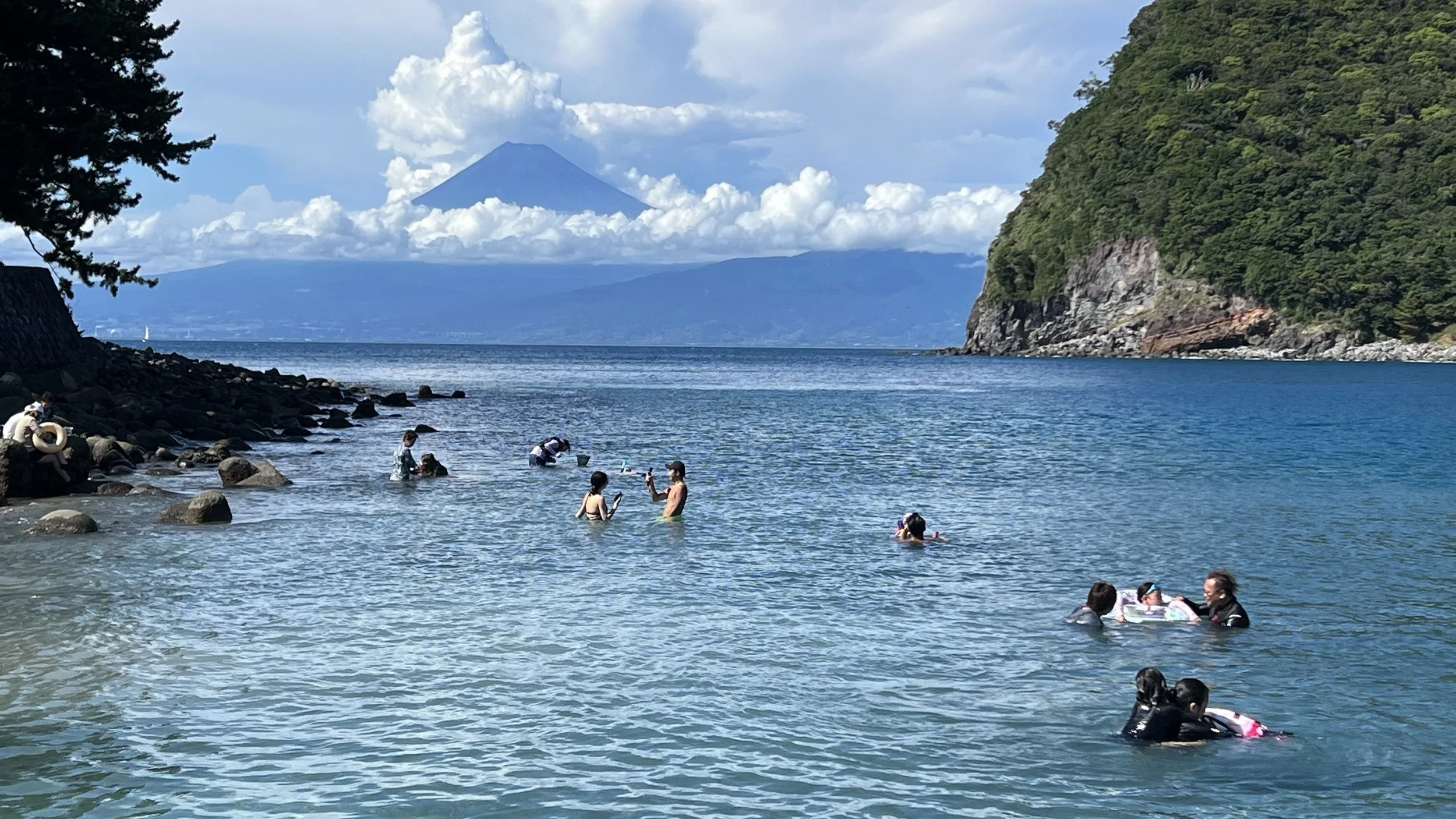
    For sea swimming with genuinely clear water, the Izu Peninsula is worth the longer drive. The western coast — facing Suruga Bay rather than the open Pacific — tends to be calmer and less visited. There are dozens of small beaches along this coastline, many little-known outside the region.

    My own preference is Heda, a fishing village at the northern tip of the peninsula. The bay is protected, the water transparent, and on clear days Mount Fuji appears directly across the water — the silhouette Hokusai spent a lifetime drawing, now with swimmers in the foreground that he never painted. The local restaurants serve whatever the boats brought in that morning. A late lunch after a morning in the water, then a short drive to one of the area's small onsen, makes for a day that's hard to improve on.

  • Kasama and Mashiko

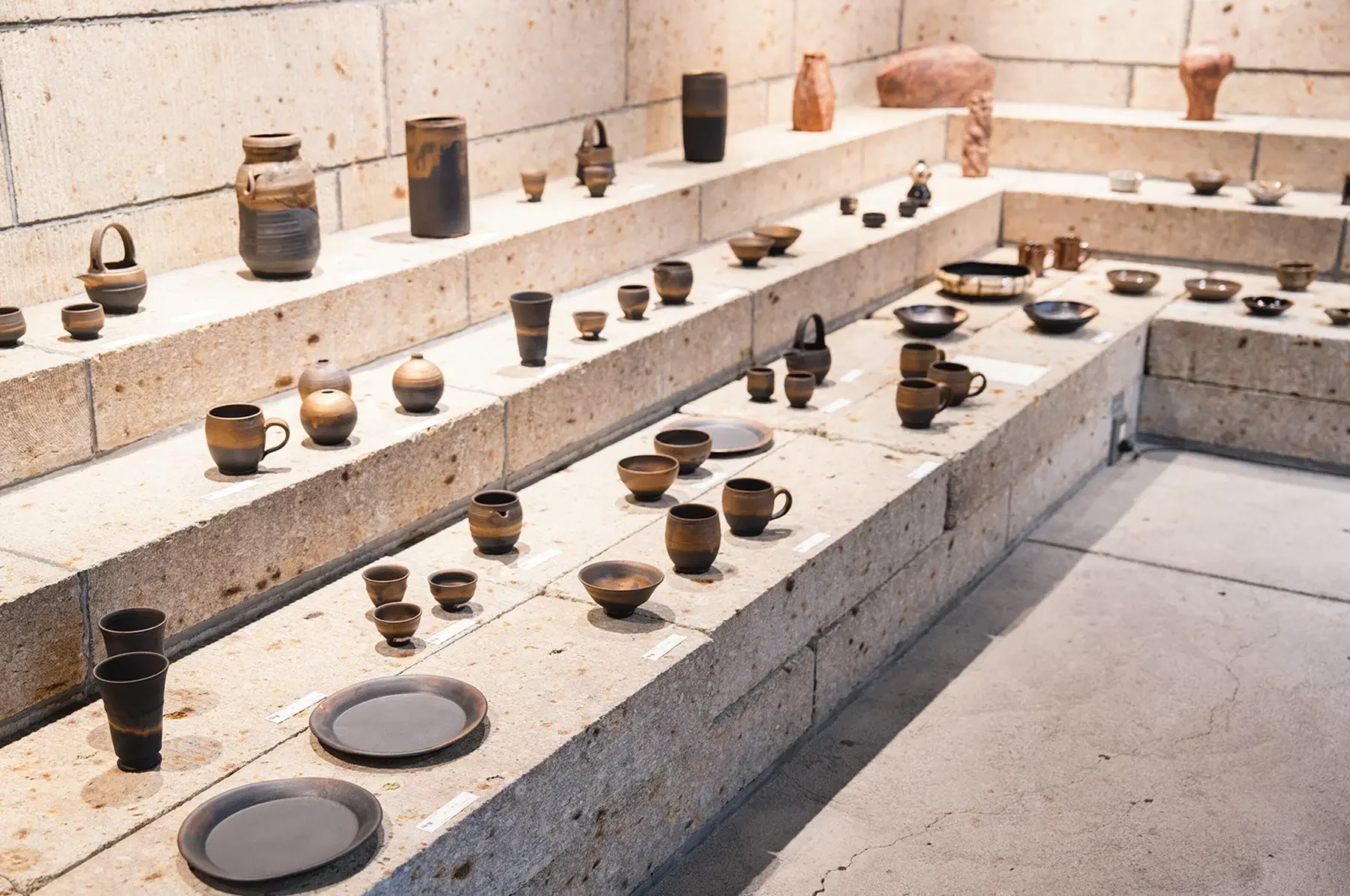
    These two pottery towns sit thirty minutes apart in the hills north of Tokyo, connected for nearly two centuries. Kasama came first — its kilns date to the eighteenth century, making it the oldest pottery region in Kanto. In the mid-nineteenth century, a potter who trained there moved across the prefectural border and established a kiln in Mashiko, and that is where Mashiko's story begins.

    The two towns developed differently. Mashiko's character was shaped by Hamada Shoji, one of the founders of the Mingei movement — the movement that argued for beauty in ordinary things, in the bowls and cups people use every day rather than objects made purely for display. Hamada settled in Mashiko and attracted generations of potters who came to work in that spirit. The aesthetic that resulted is earthy, substantial, and unpretentious — the kind of pottery that looks right on a kitchen table.

    Kasama developed along different lines. After the war, the town recruited artists from across Japan and beyond, giving it a more experimental, less defined character. There is no single Kasama style, which makes it an interesting place to browse.

    Both towns are worth a day. Together, they make a good one.

  • Mt. Fuji 5th Station

    Most people know that climbing Mount Fuji is an option, at least in theory. Fewer know that you can drive to the fifth station — the halfway point — without setting foot on a trail.

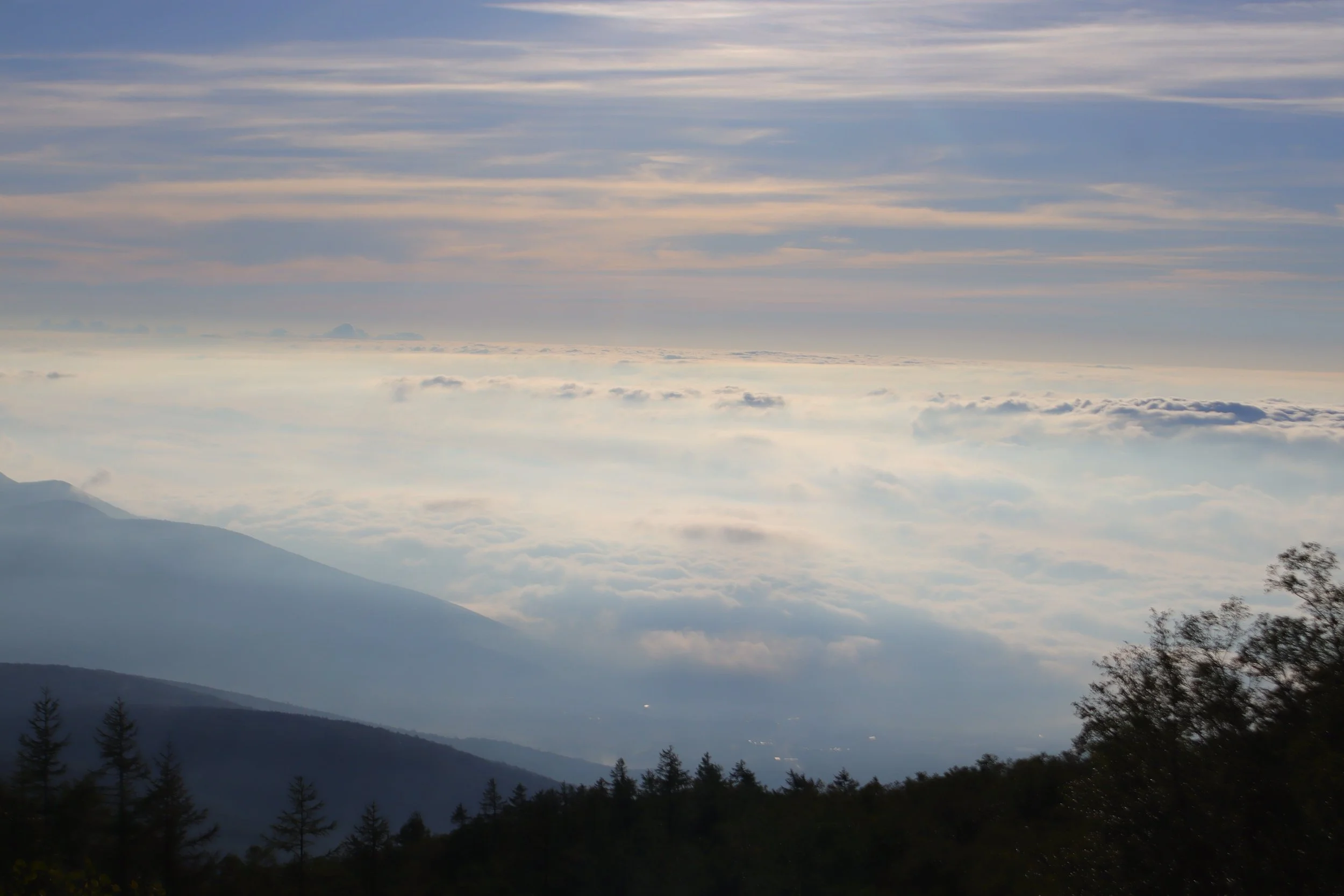
    There are two roads. The Subaru Line climbs the northern flank from the Fuji Five Lakes area, reaching 2,305 metres above sea level. The Skyline approaches from the south, with views over Suruga Bay opening out as you climb. Both pass through the treeline — the point where the forest simply stops — and arrive at a high, exposed plateau where the temperature can be fifteen degrees cooler than at the base.

    What you arrive at is genuinely different from anything accessible at lower altitude: the air, the light, the scale of the mountain seen from its own flank rather than from a distance.

    One note: during the official climbing season in summer, private vehicles are restricted on both roads. The shoulder seasons — late spring and autumn — are the better time in any case.

    The fifth station works well as part of a longer day — the Fuji Five Lakes below, the Katsunuma wine region an hour east, onsen in both directions. You start at sea level, spend an hour above the clouds, and end in a hot bath looking up at the mountain you were standing on that morning.

  • Open Air Parties

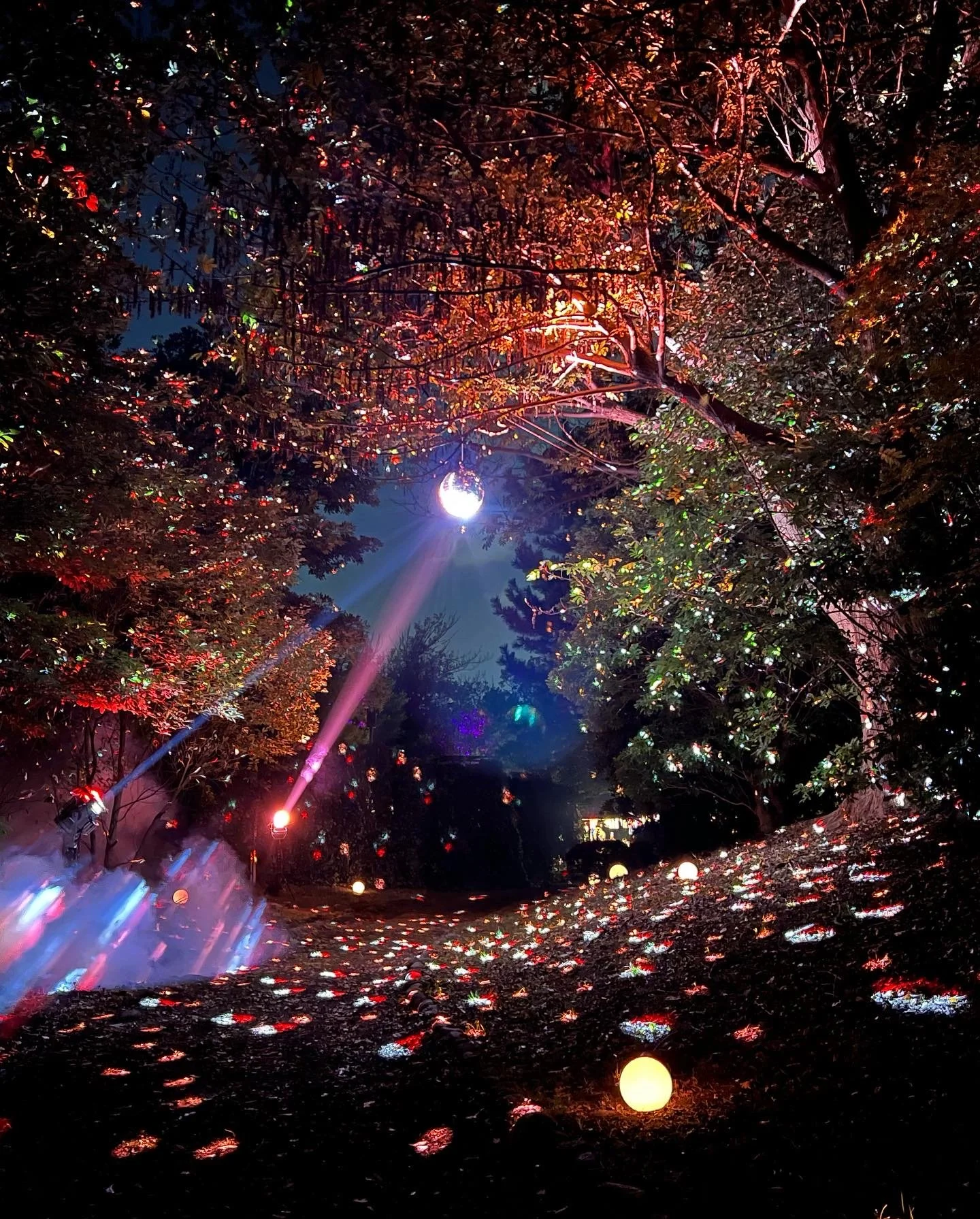
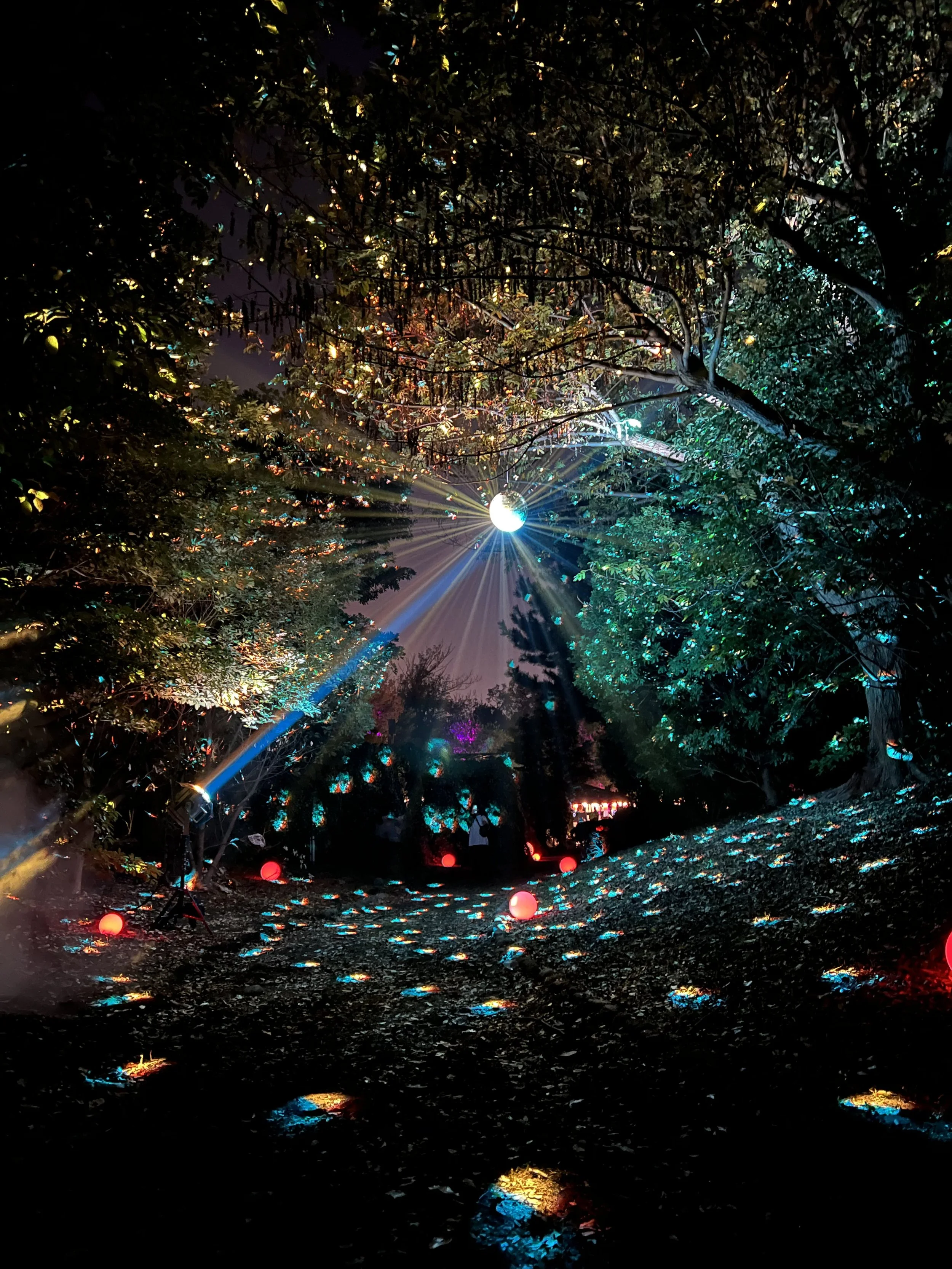
    If you've spent time in this world elsewhere — a party in a forest in Germany, a weekend gathering on a farm in upstate New York, something on a beach in Portugal heard about through a friend of a friend — you probably already know the feeling. The music is good, the sound system is better than it has any right to be, and the location was chosen by someone who thought about it.

    The same scene exists in Japan. A campsite on a plateau in the Japanese Alps at 1,300 metres. A forest clearing in the hills west of Tokyo. A park on the edge of the Kawasaki industrial waterfront, with refinery towers lit up across the water. The settings are different, but the sensibility is the same.

    The difficulty is getting in — not in the sense of a door or a list, but in the sense that if you don't know anyone, you probably won't know when something is happening. That's where I come in. Get in touch before your trip. I can't guarantee timing will work, but if something lines up, we can go together.

Previous
Previous

Architecture