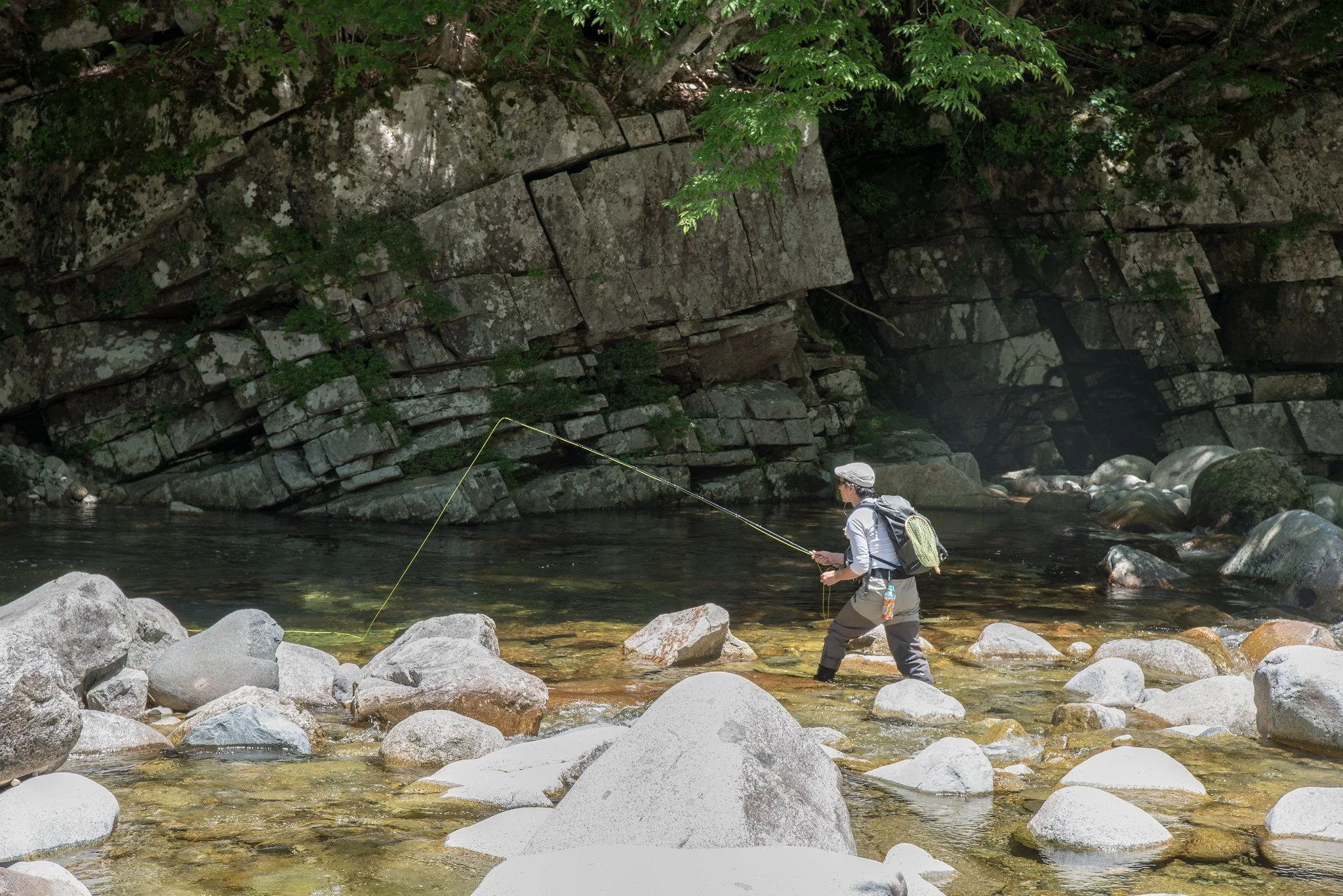
"Many men go fishing all of their lives without knowing that it is not fish they are after."

— Henry David Thoreau

Fly Fishing in the Mountains
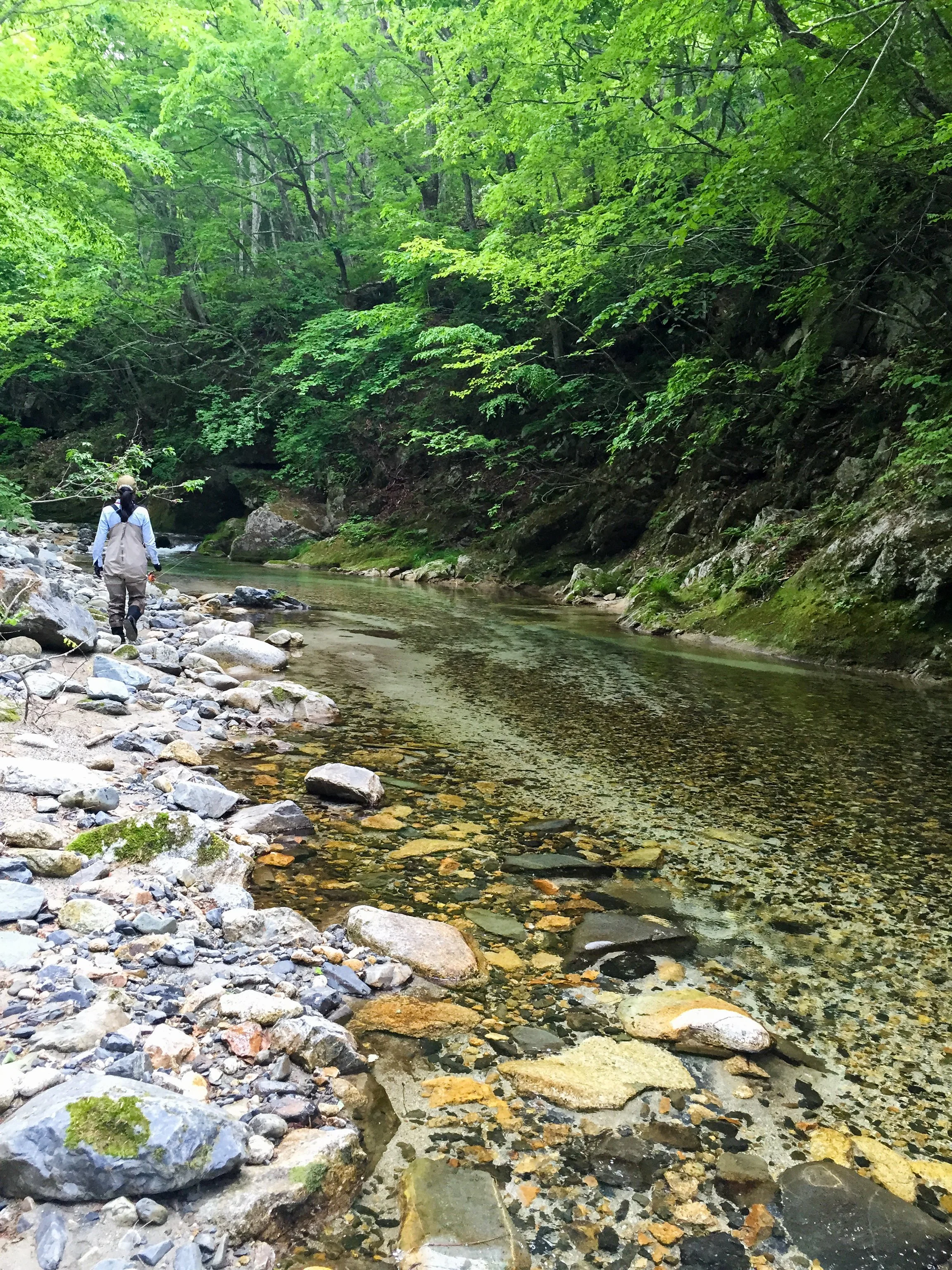
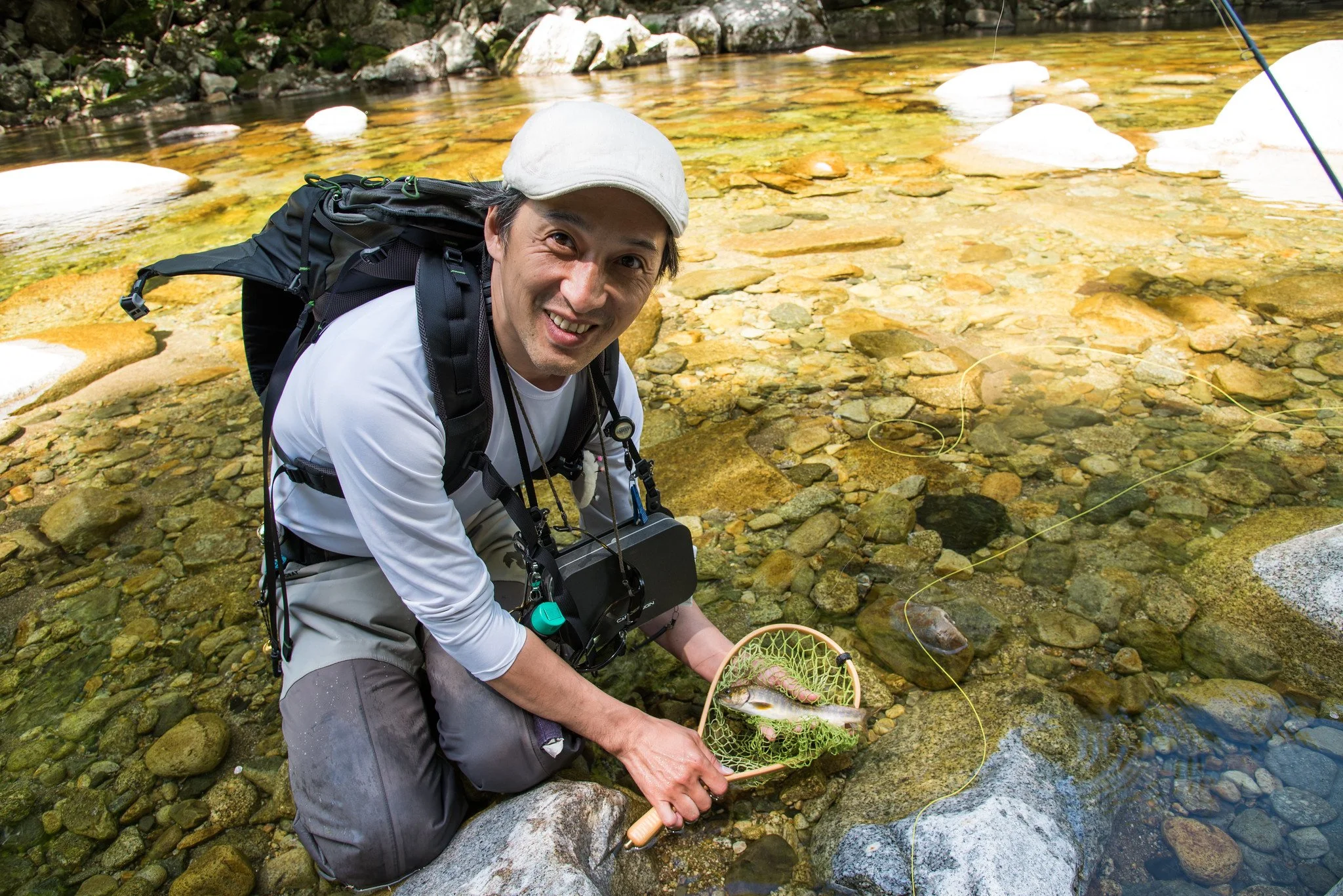
Fly fishing in Japan's mountain streams is genuinely difficult. The rivers are narrow, the fish are wild and wary, and the techniques that work elsewhere often don't work here. I spent three seasons before I landed my first fish on a fly. I say this not to discourage, but because honesty seems more useful than promise.

What I can tell you is this: standing knee-deep in cold, clear water in a forested valley 2-3 hours from Tokyo, watching the surface for rises, is its own reward. The fish are almost beside the point. There's something about the combination of focus and stillness that these rivers demand — the way they slow everything down — that most people find unexpectedly restorative. Something close to what it felt like to be a child in the outdoors.

Beginners are welcome, and I'll teach what I can. But I won't guarantee a catch, and I'd rather you came knowing that. The river will give you something. It may not be a fish.

Equipment can be provided. Fishing licences arranged in advance.
  • Kosuge River

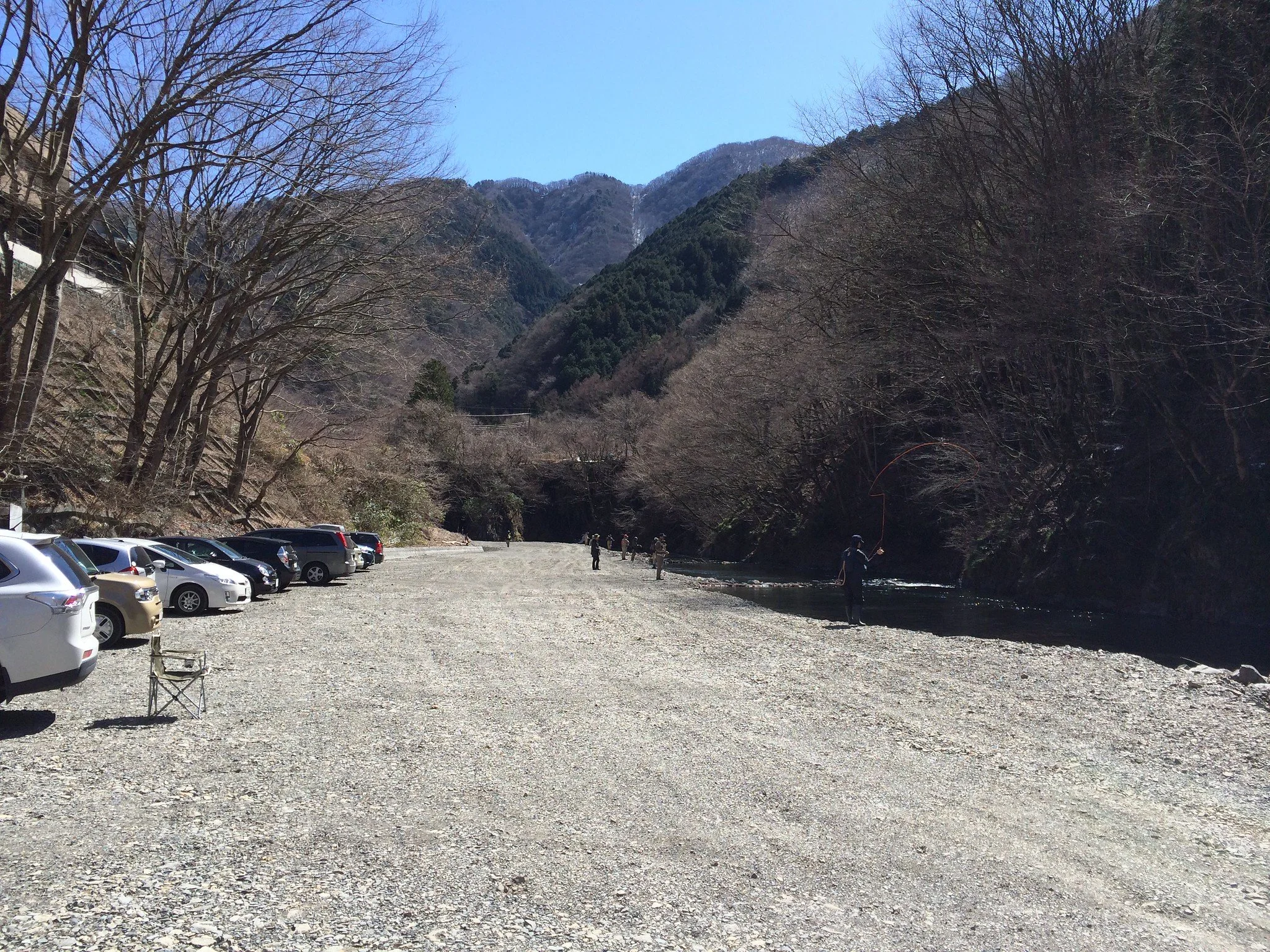
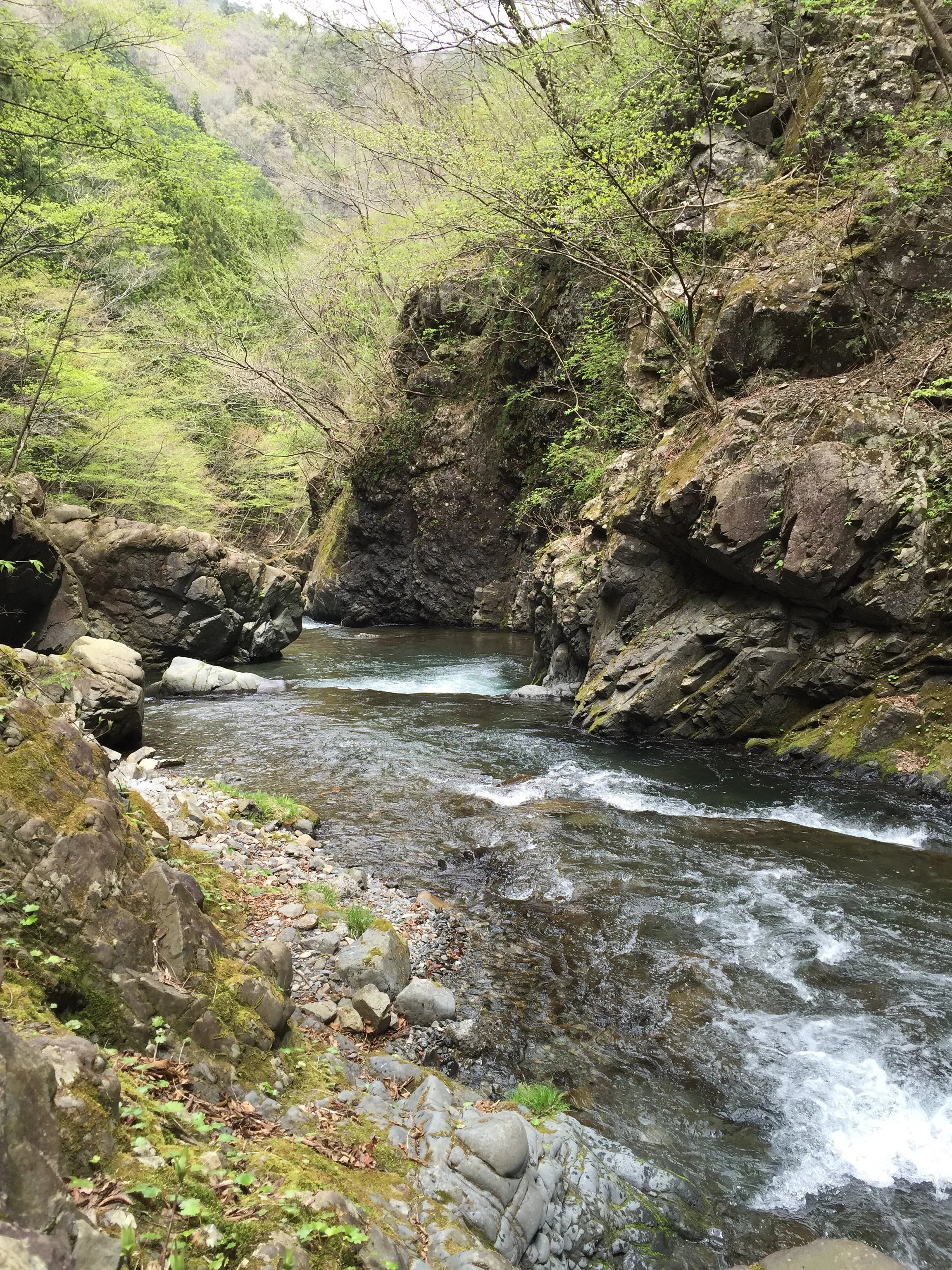
    The Kosuge River lies just beyond the western edge of Tokyo's reach — past Okutama, over the prefectural border into Yamanashi, about an hour and a half to two hours by road from the city centre. The highway doesn't get you there conveniently, so you take the mountain roads, which is no hardship. The drive is part of the day.

  • Kosuge River

    This is the river where I learned to fish. Not quickly — it took years of regular visits, and a retired warden from the local fishing cooperative who took it upon himself to show me what I was doing wrong. I owe most of what I know about reading Japanese mountain streams to conversations on the bank of this river.

  • Kosuge River

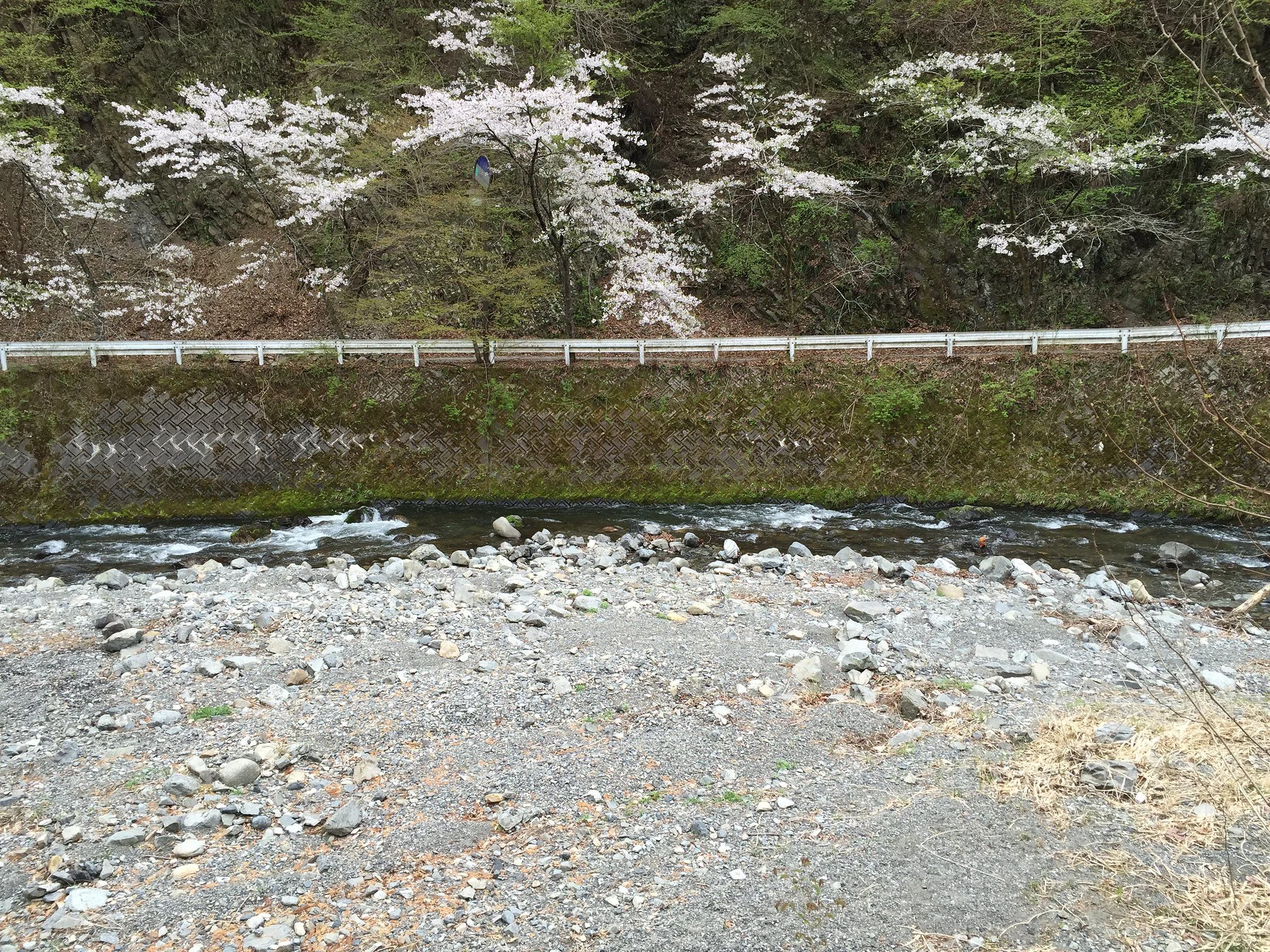
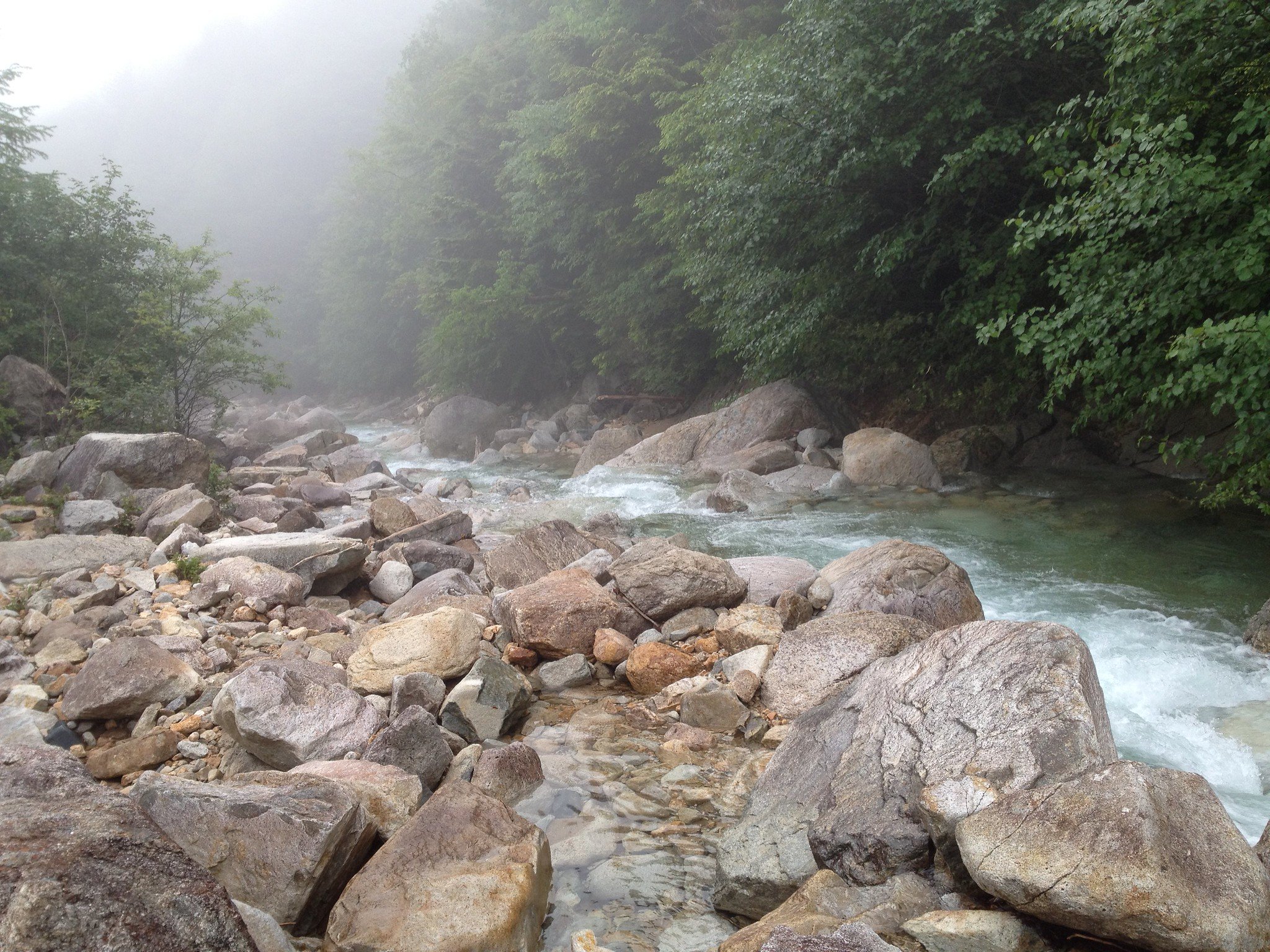
    There are several entry points along the Kosuge, each with its own character — some open and wadeable, others tight and technical, with the kind of overhanging vegetation that makes casting an exercise in problem-solving.

  • Kosuge River

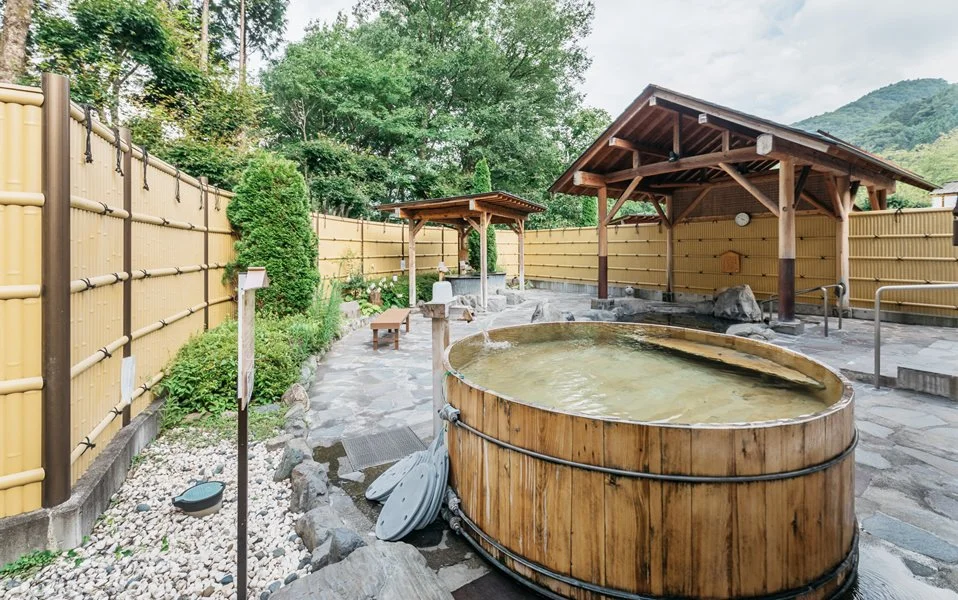
    Lunch options in the area are limited. What the valley does offer, however, is one of the better hot springs in the region — alkaline, slightly silky against the skin, the kind of onsen that makes the drive worthwhile even on a fishless day.

  • Ojira River

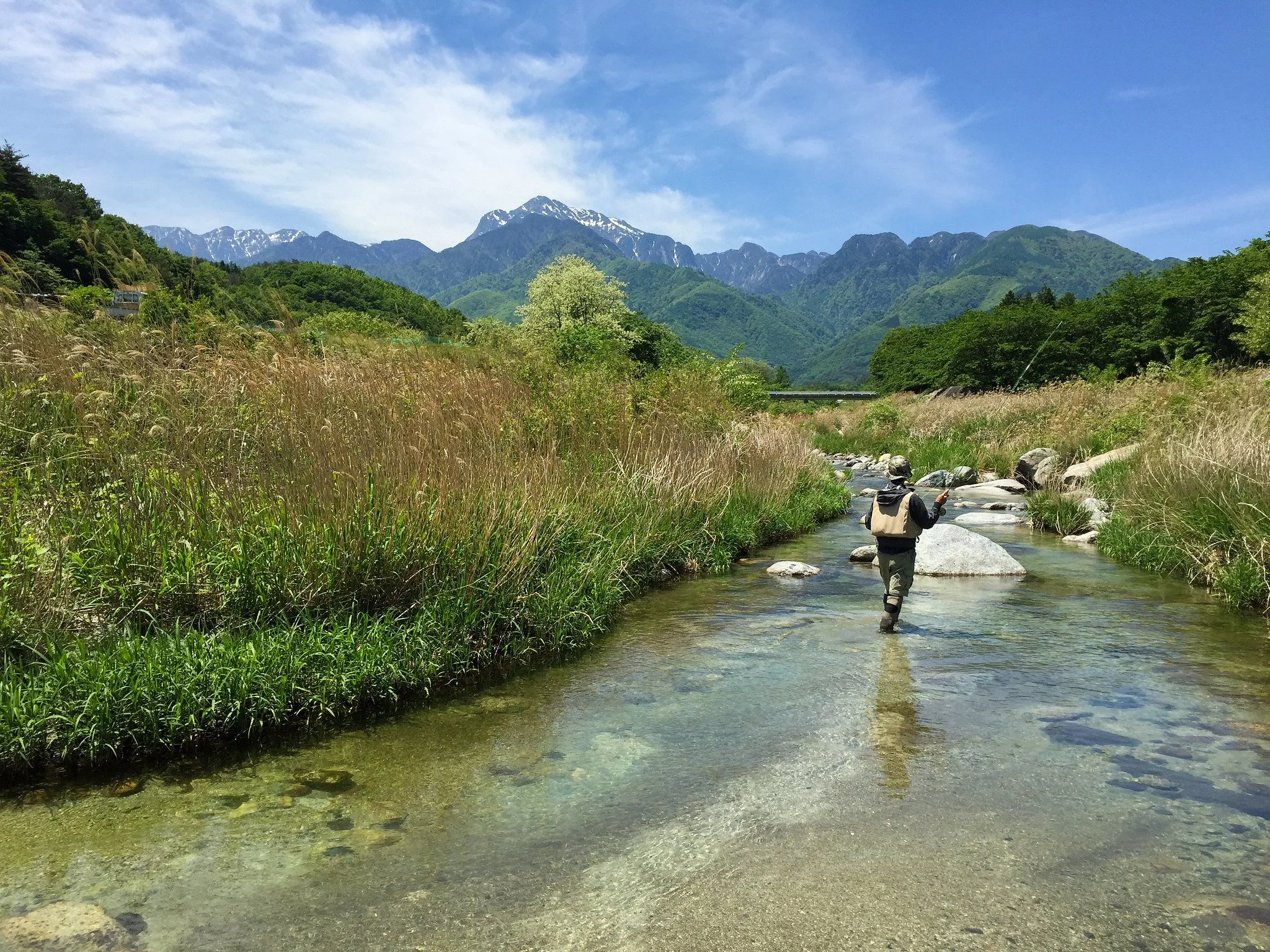
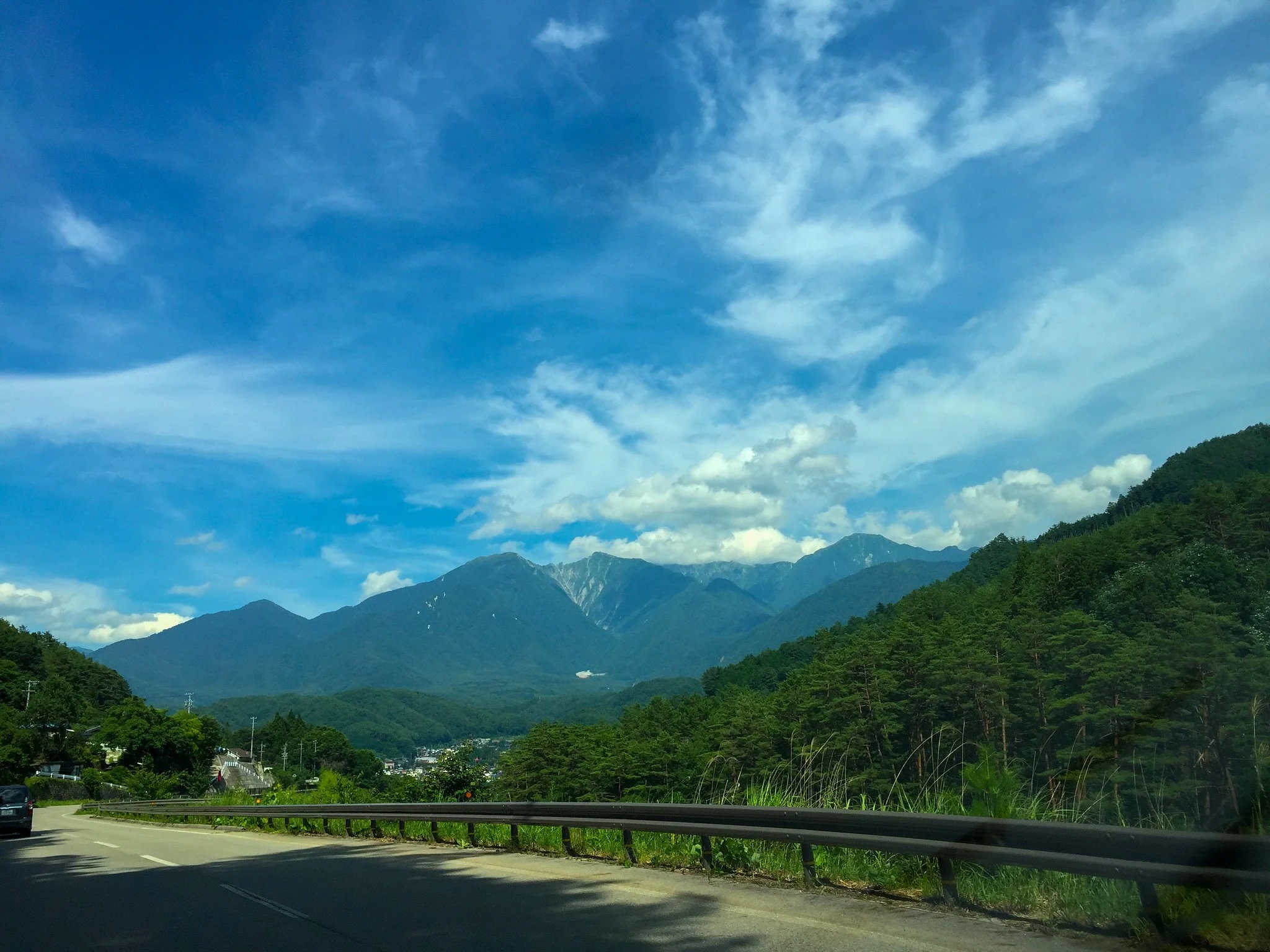
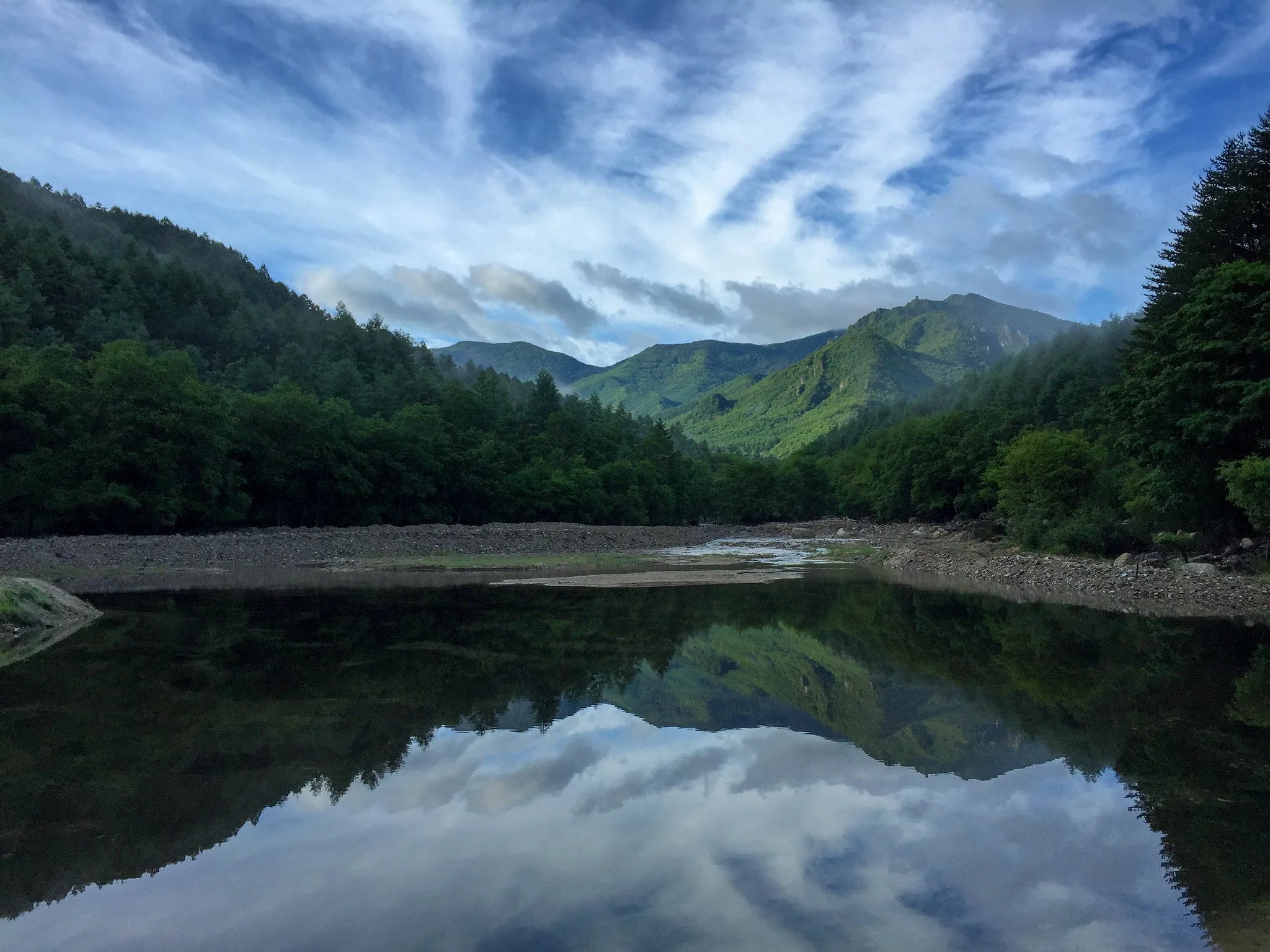
    A little over two hours from Tokyo on the expressway, the Ojira River runs clear and cold through the foothills of the Southern Alps. On a fine day, the peaks of the Southern Alps and the Yatsugatake range are visible above the treeline — the kind of backdrop that makes it difficult to concentrate on fishing. Suntory's Hakushu whisky distillery sits nearby, and the spring water that becomes Japan's most popular mineral water — Minami Alps no Tennensui — is drawn from the ground just up the valley. The water quality, in other words, is not in question.

  • Ojira River

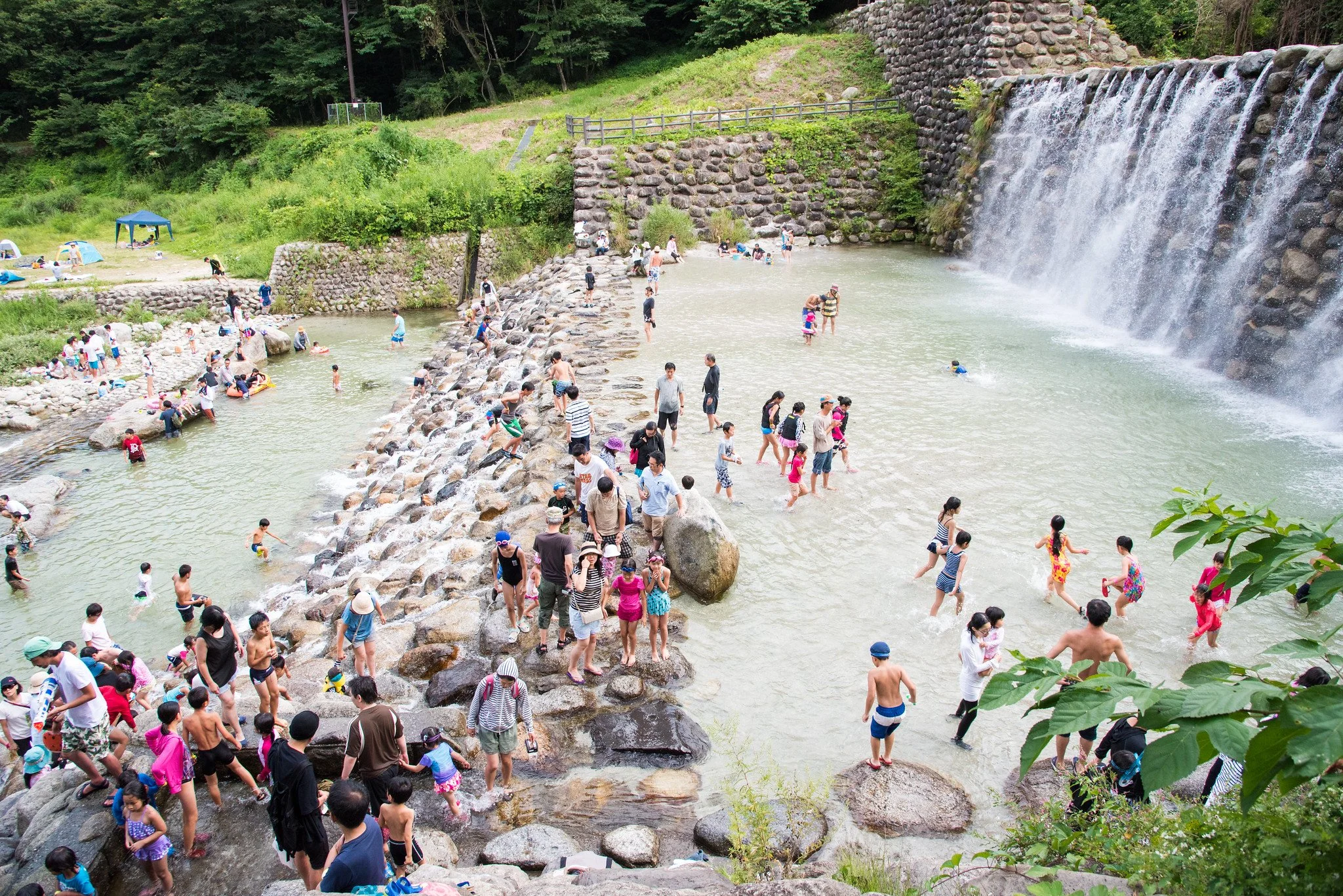
    The river is not large, but it is beautiful. Wade in on a hot day and the cold is a genuine shock. When the fishing gets slow — and it will, because it always does — there's nothing wrong with finding a pool and swimming instead.

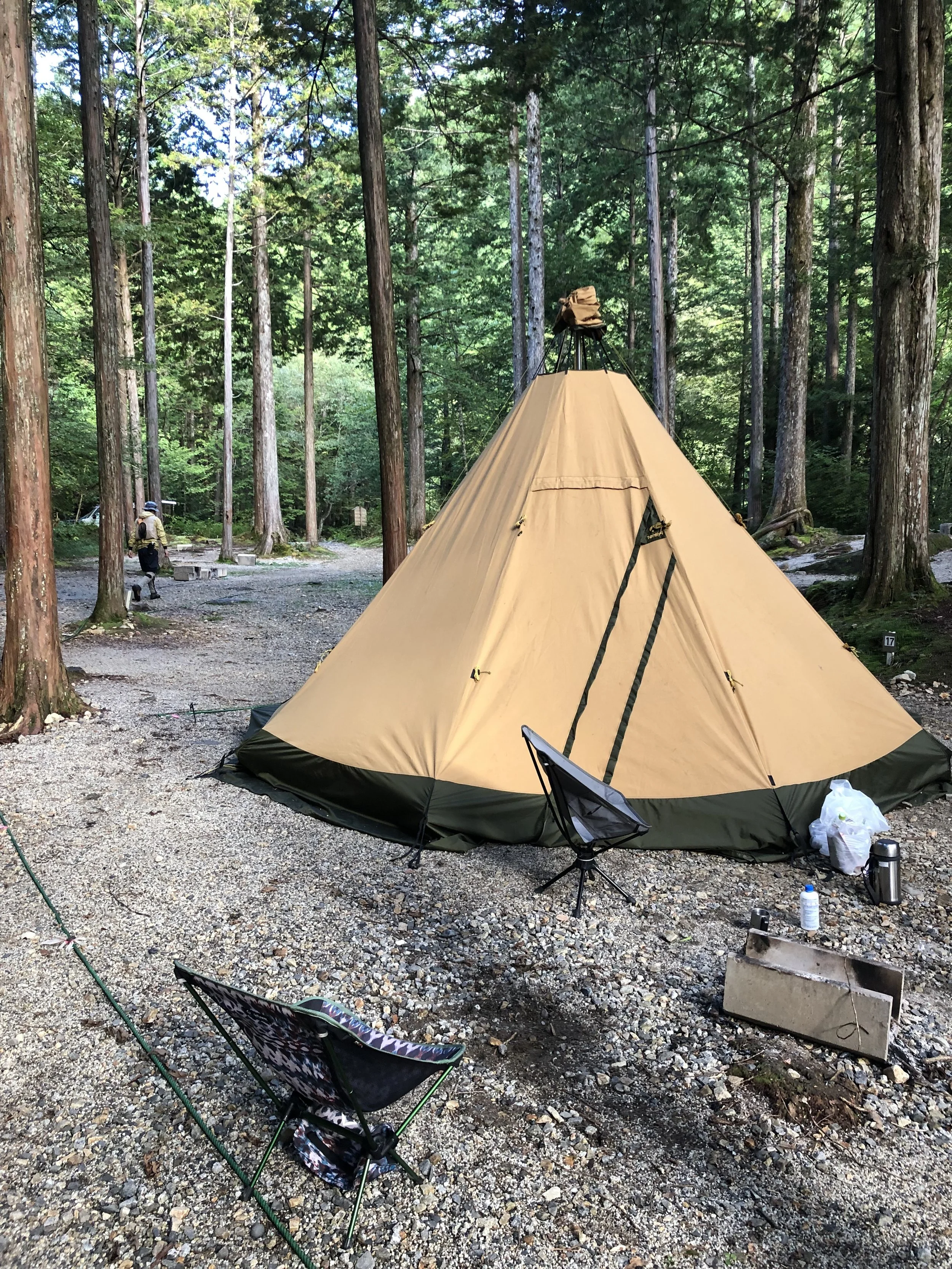
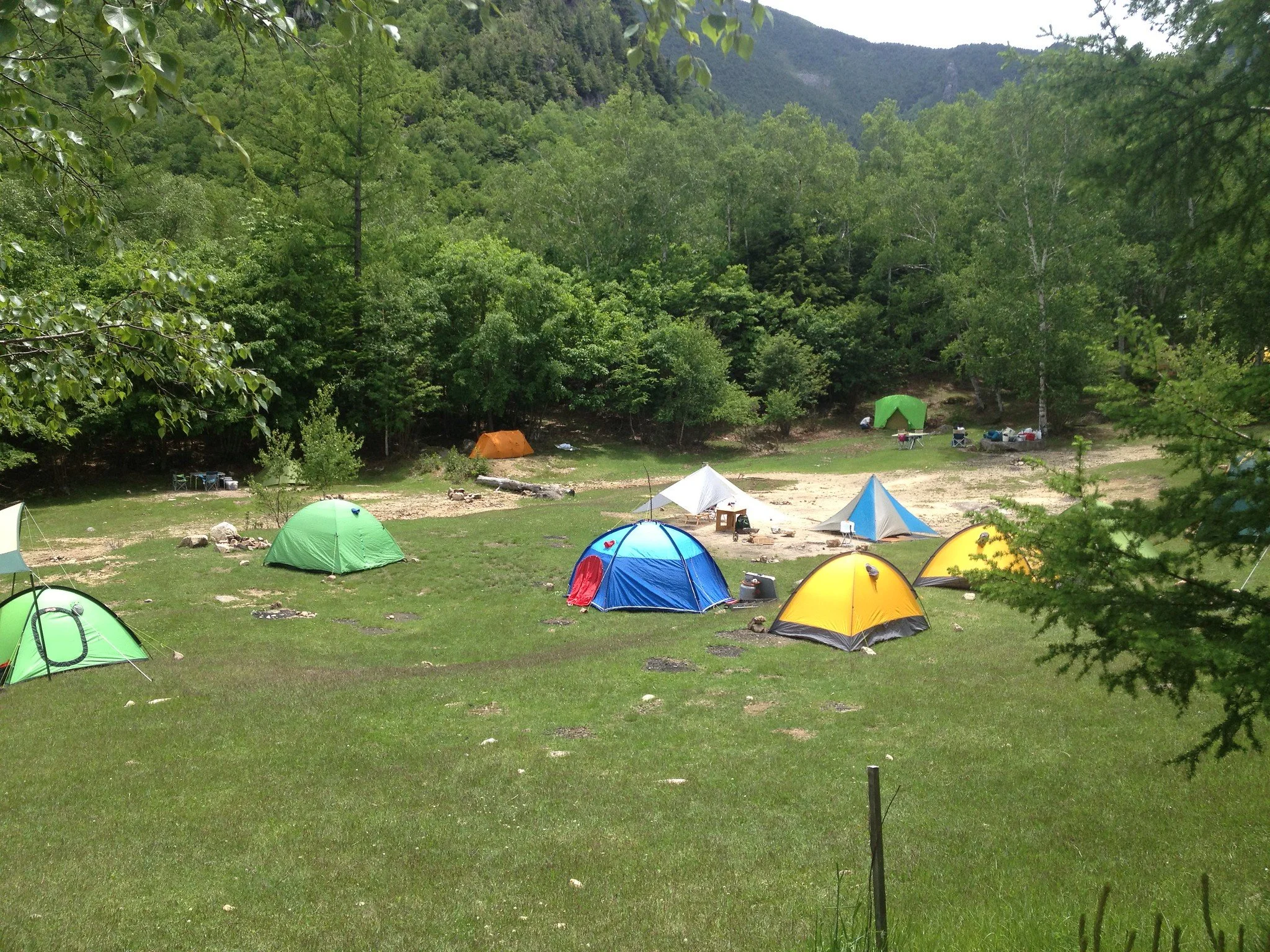
    I've been coming here since my children were small. In those years it was a family camping trip, and I'd slip out alone at first light to fish while everyone slept. The campsites along the river make the area busy in summer, and the sections near them are best avoided for fishing — but further upstream, the river recovers its character.

  • Ojira River

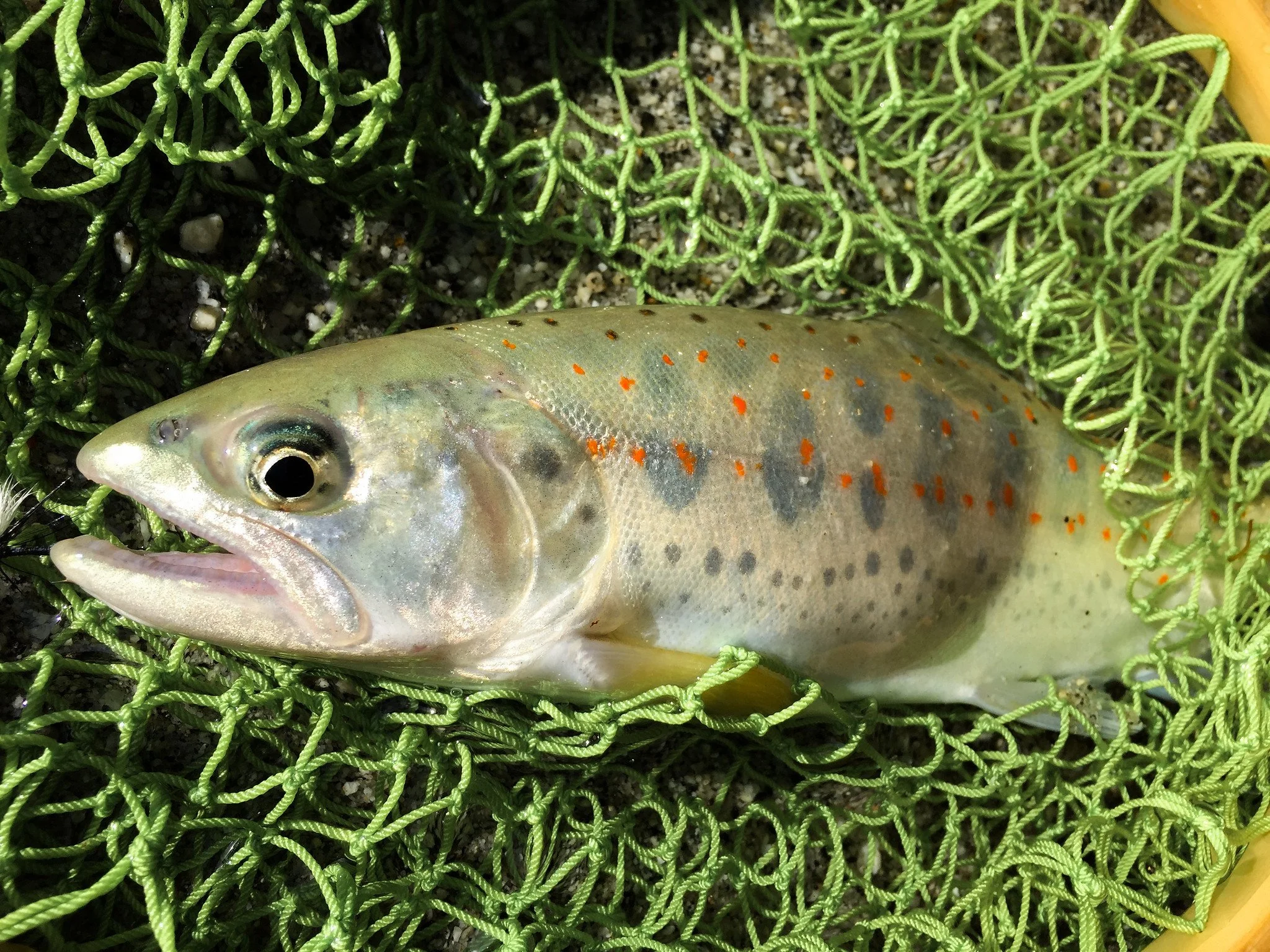
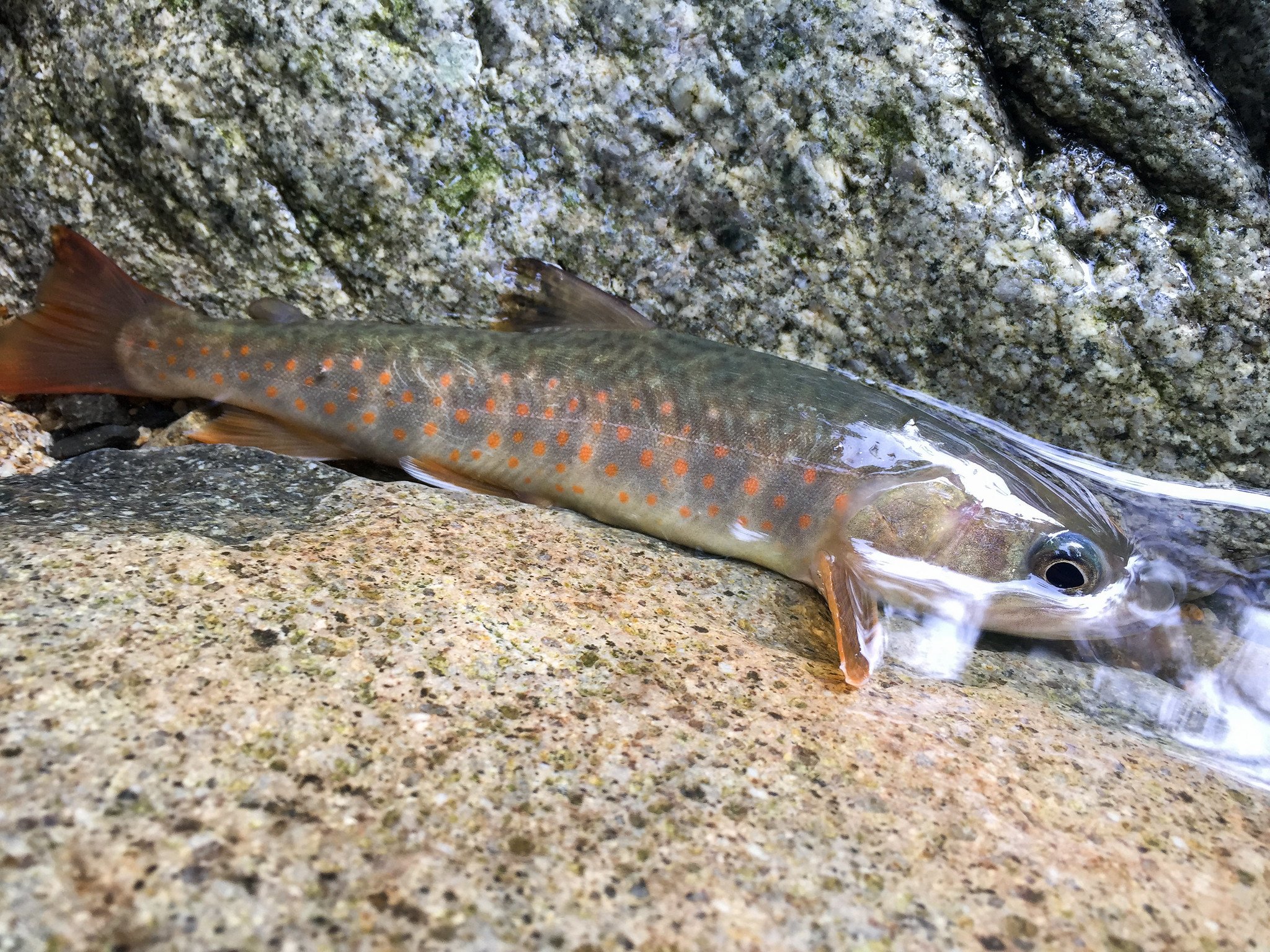
    Like most mountain streams in this part of Japan, the Ojira holds both yamame and iwana. Here, however, the yamame take a different form — amago, a subspecies distinguished by vivid orange spots scattered across their flanks. They are, by any measure, among the most beautiful freshwater fish in Japan.

  • Ojira River

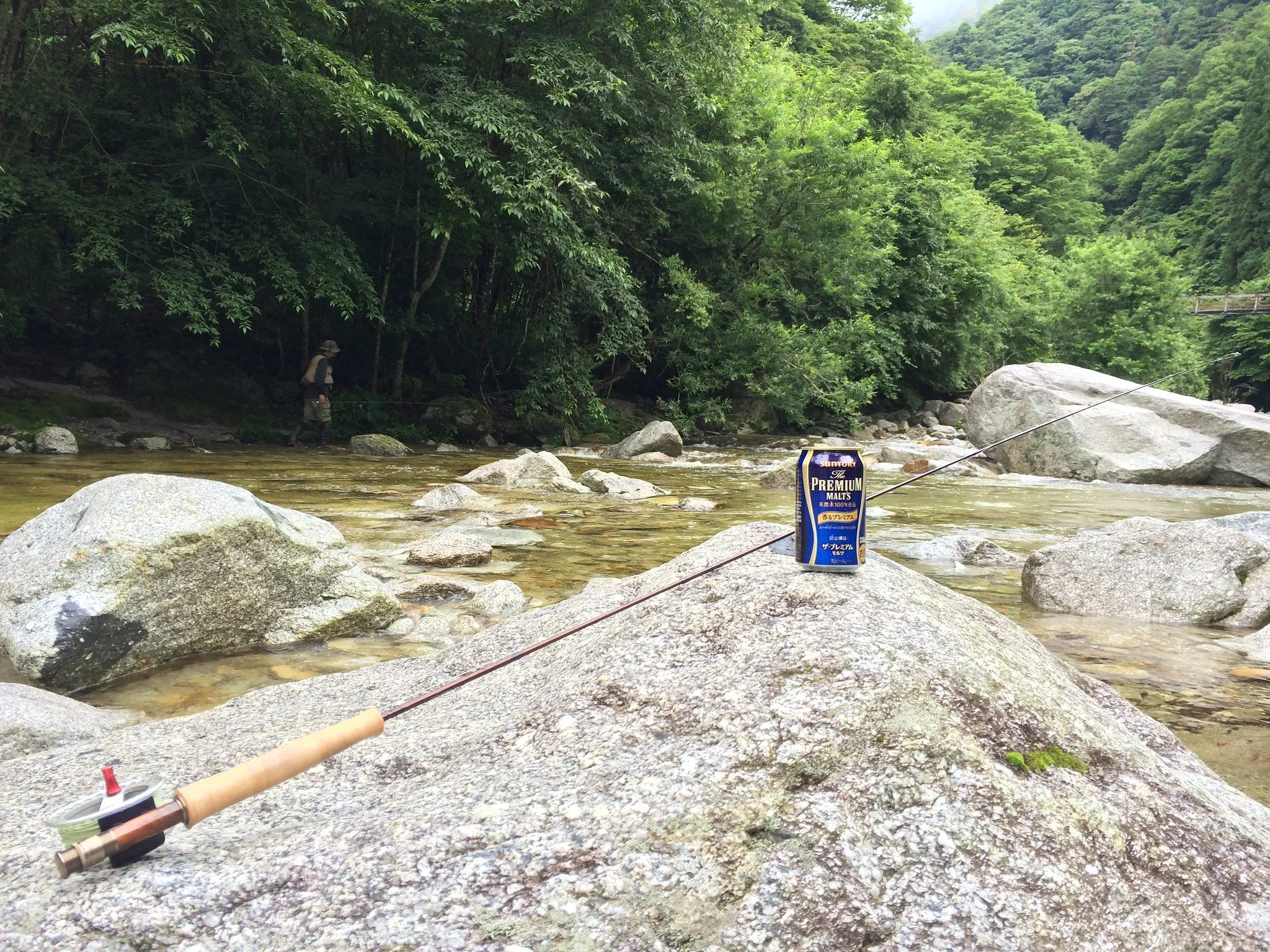
    One visit stays with me. A friend and I climbed down to the river and, before either of us had made a single cast, cracked open a beer to mark the occasion. It was me who slipped on a wet rock shortly afterwards — and snapped my rod.

  • Ojira River

    No spare. I spent the rest of the day on the bank watching my friend fish, and taking photographs. They came out well. When he eventually moved back to his hometown, I had one printed large and mounted, and gave it to him as a going-away present.

  • Ogawa, Agematsu

    Another two hours past the Ojira River — past Lake Suwa, across the Southern Alps and the Central Alps — lies a river I keep coming back to. The drive alone tells you something: by the time you arrive, Tokyo feels genuinely far away.

  • Ogawa, Agematsu

    The Ogawa has everything a mountain stream should have. The width is right — neither so narrow that casting becomes an exercise in frustration, nor so wide that it loses its intimacy.

  • Ogawa, Agematsu

    The character of the water changes as you move upstream: pools, runs, riffles, each holding fish in their own way. Iwana outnumber yamame here, which suits the deeper, colder stretches of the valley.

  • Ogawa, Agematsu

    This river has never let me down.

  • Ogawa, Agematsu

    Iwana (Salvelinus leucomaenis) — Japan's native char. That wide, slightly vacant stare, the mouth set in what looks like permanent mild surprise — the iwana has the face of a creature that has thought about very little, and is entirely at peace with that. It lives in the coldest, clearest water in the mountains, rarely seen and rarely caught. When one does come to the net, you find yourself looking at it longer than strictly necessary.

  • Atera River

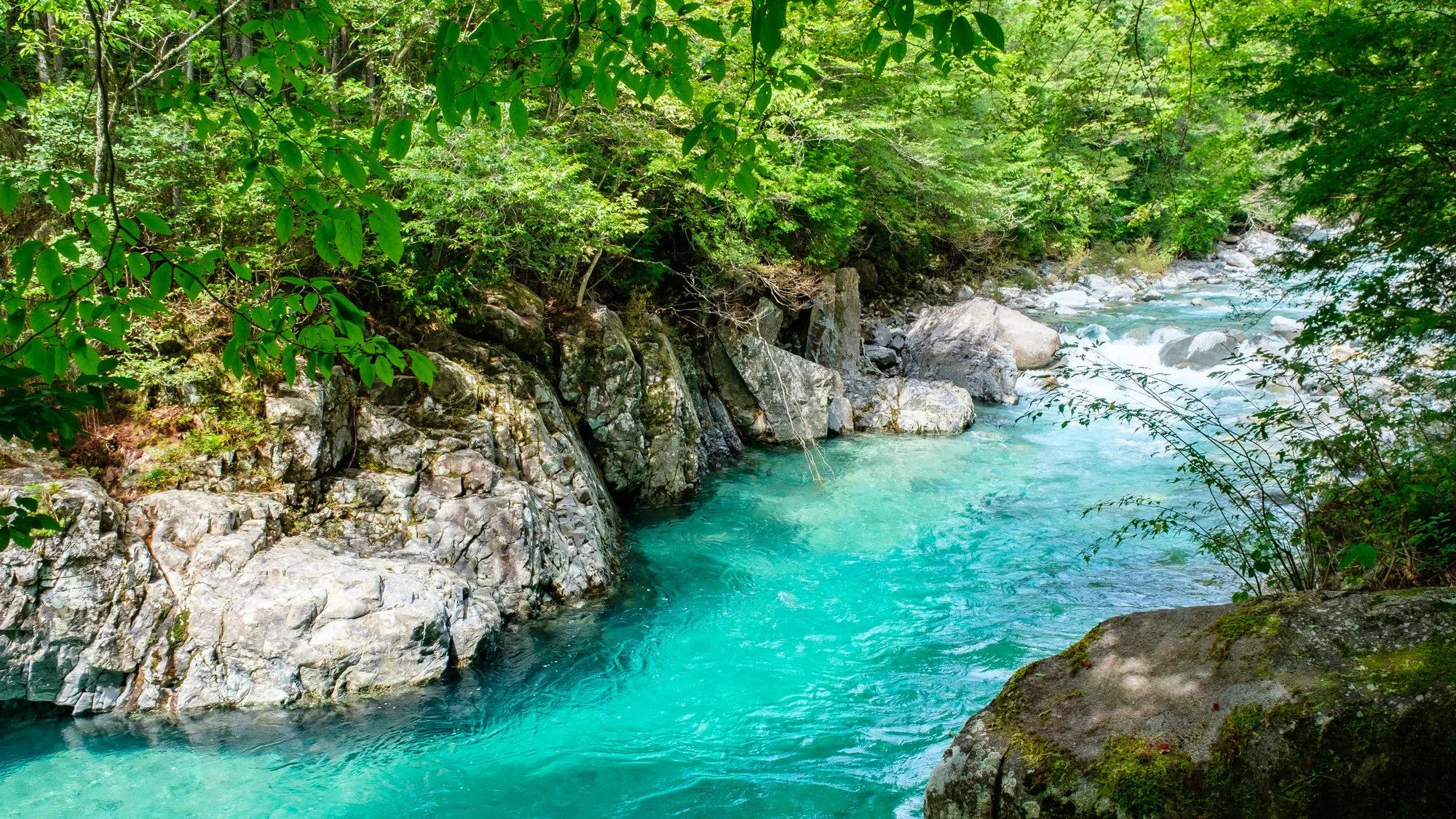
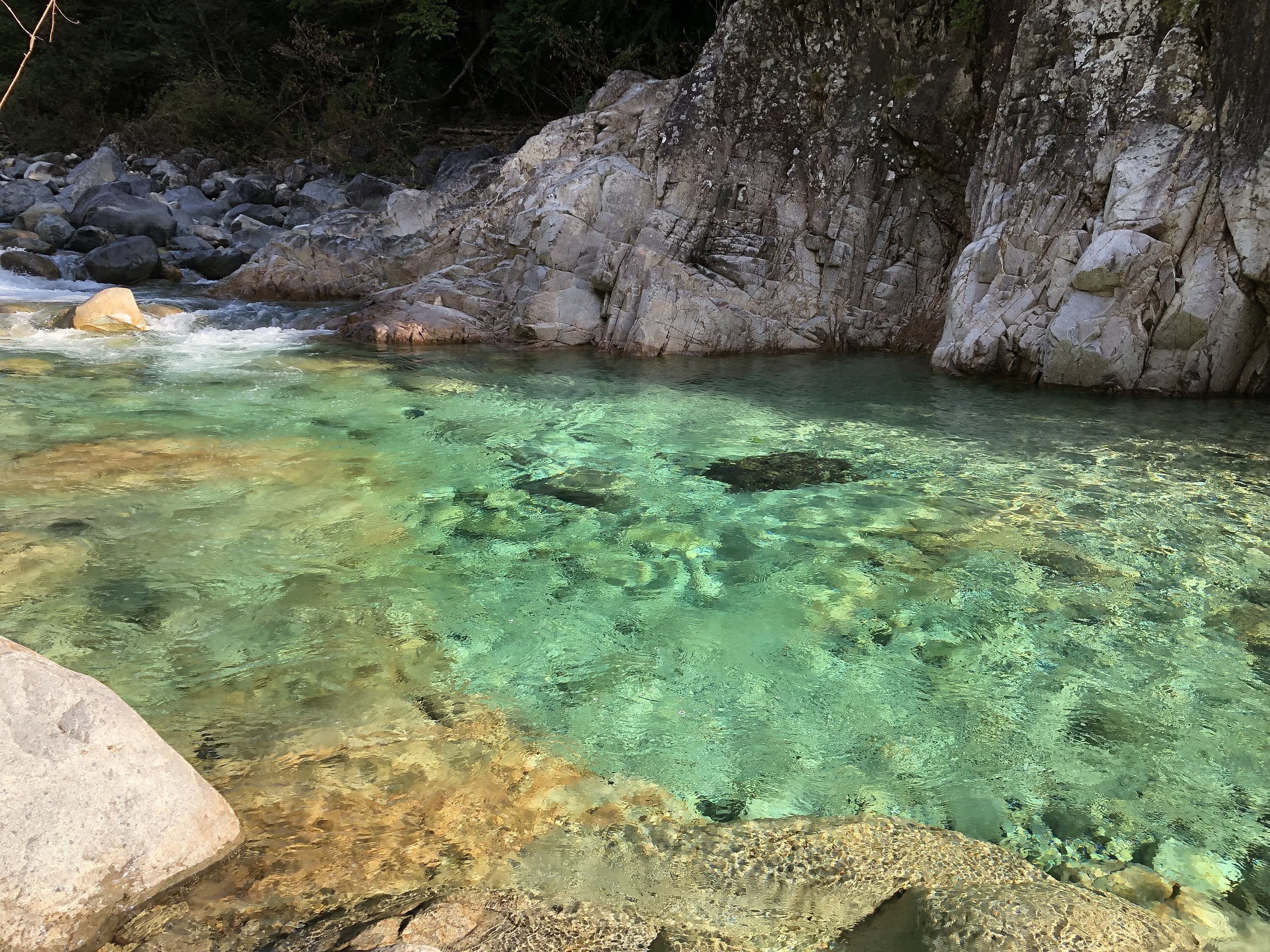
    Forty minutes from the Kurosawa River, the Atera stops you in your tracks before you've even thought about fishing. The colour of the water is difficult to describe — somewhere between green and blue, shifting with the light, a gradient that seems to have no bottom. People call it Atera Blue, and the name earns itself.

  • Atera River

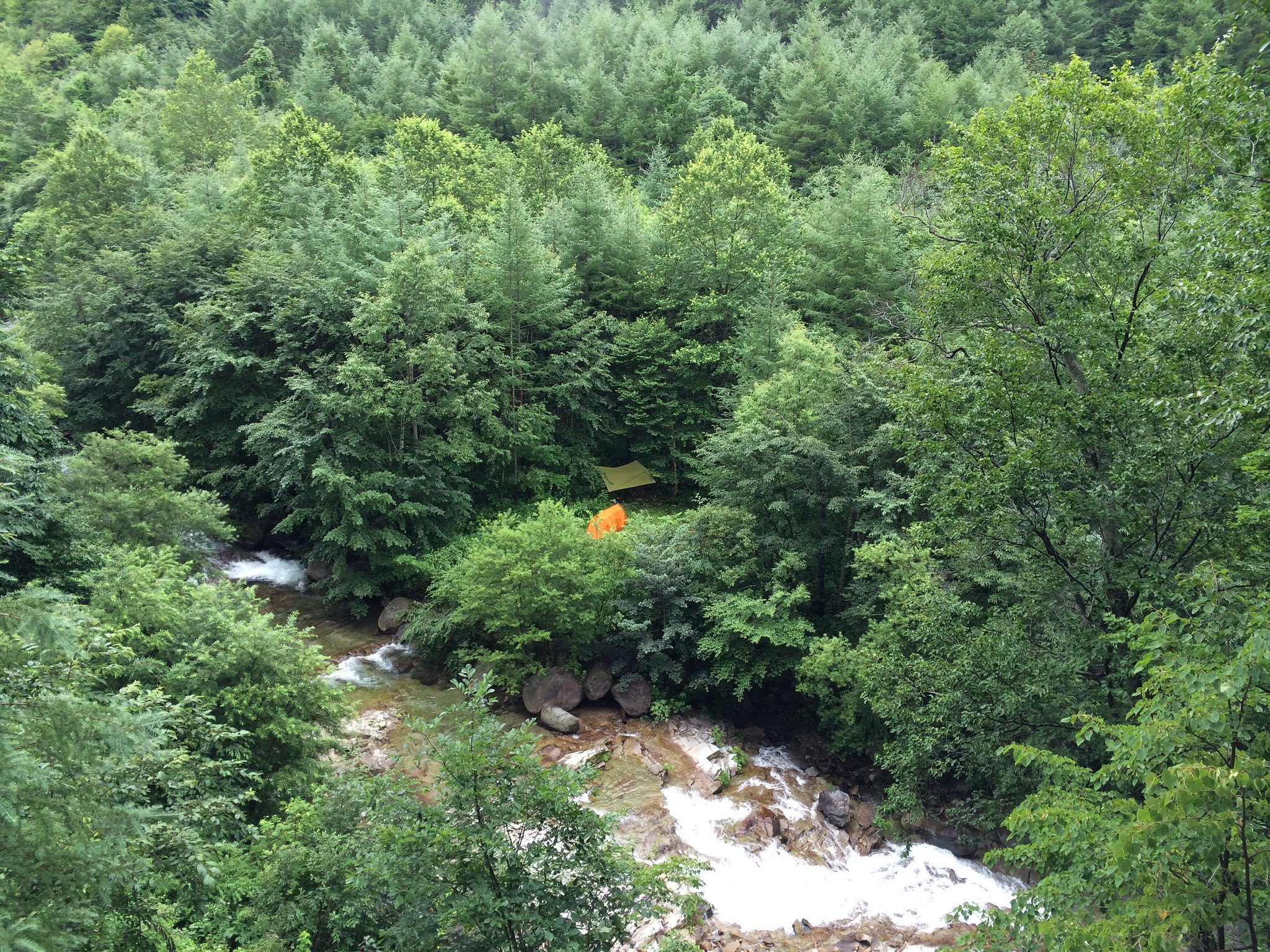
    There are campsites along the lower stretches, and in summer the valley sees its share of visitors. But walk an hour upstream and the only signs of human presence are the occasional traces left by other anglers who made the same calculation you did. Walk two hours, and even those disappear.

    On one trip, a friend and I camped at the river and set out early, walking well over two hours upstream before we started fishing. The logic was simple: the further you go, the less pressure the fish have seen. It's sound thinking. The execution, however, did not go entirely to plan.

  • Atera River

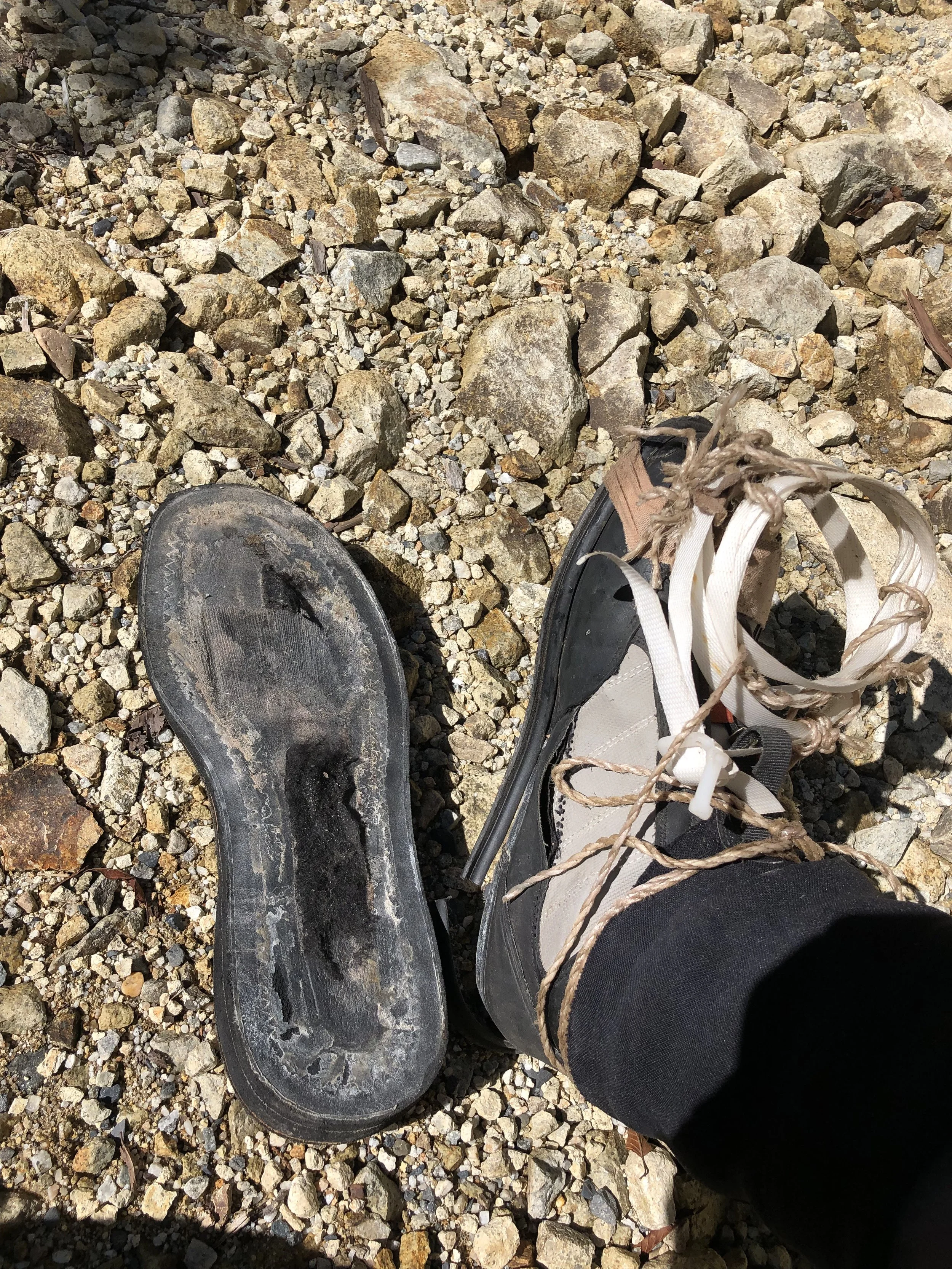
    About an hour into the walk, the heel of my wading shoe began to separate. A soft, rhythmic slapping with every step — the sound of something coming apart. I stopped at what appeared to be a forestry depot and rummaged through the scraps: some twine, a strip of packing material. Improvised repairs were made. They held for a while. By the time we reached our destination, they had ceased to hold at all. The sole was gone. Walking on a riverbed of sharp, uneven rock in a shoe with no bottom is a particular kind of suffering — each step a small, precise punishment.

  • Atera River

    I did not do much fishing that day either.

    The return journey was made possible only by a spare pair of trainers my friend happened to be carrying — an act of preparedness so unlikely it felt almost miraculous. Without them, I genuinely could not have walked another hundred metres. I remain grateful.

  • Kimpusan River

    About two and a half hours from Tokyo by expressway — the highway doesn't take you directly, so you loop around — the Kimpusan River runs through Kawakami Village at over 1,500 metres above sea level. The altitude announces itself immediately: the air is different, the light is different, and the water, flowing over pale granite boulders, is extraordinarily clear.

  • Kimpusan River

    This is a river I visited regularly for about ten years. It's well known among fly fishers in the Kantō region — known enough that you need to be on the water early if you want stretches to yourself — but the iwana population sustains itself through natural reproduction, which tells you something about the health of the place. The fish aren't large by some standards, but they are beautiful: wild, clean, with that particular quality that only mountain fish have.

  • Kimpusan River

    The river splits into two tributaries upstream — the east fork and the west fork — each with its own character. The campsite at Mawarimedaira sits alongside the river, making it a natural base for a longer stay. For a day trip, the lower stretches fish well from late spring onward. In summer, the upper sections open up, and you can follow the water as far as your legs and your casting arm will take you.

  • Funamata River

    Hinoemata Village sits at the end of a long valley in southern Fukushima, surrounded on all sides by mountains, with the Oze wetlands above and very little else. Getting there takes time regardless of where you're coming from, which is part of the point. The Funaki River is a tributary of the Hinoemata River, running through dense forest in one of the few places in the Kantō and Tōhoku region that still feels genuinely remote.

  • Funamata River

    I came here several times with a group of fishing friends, camping and fishing for two or three days at a stretch.

  • Funamata River

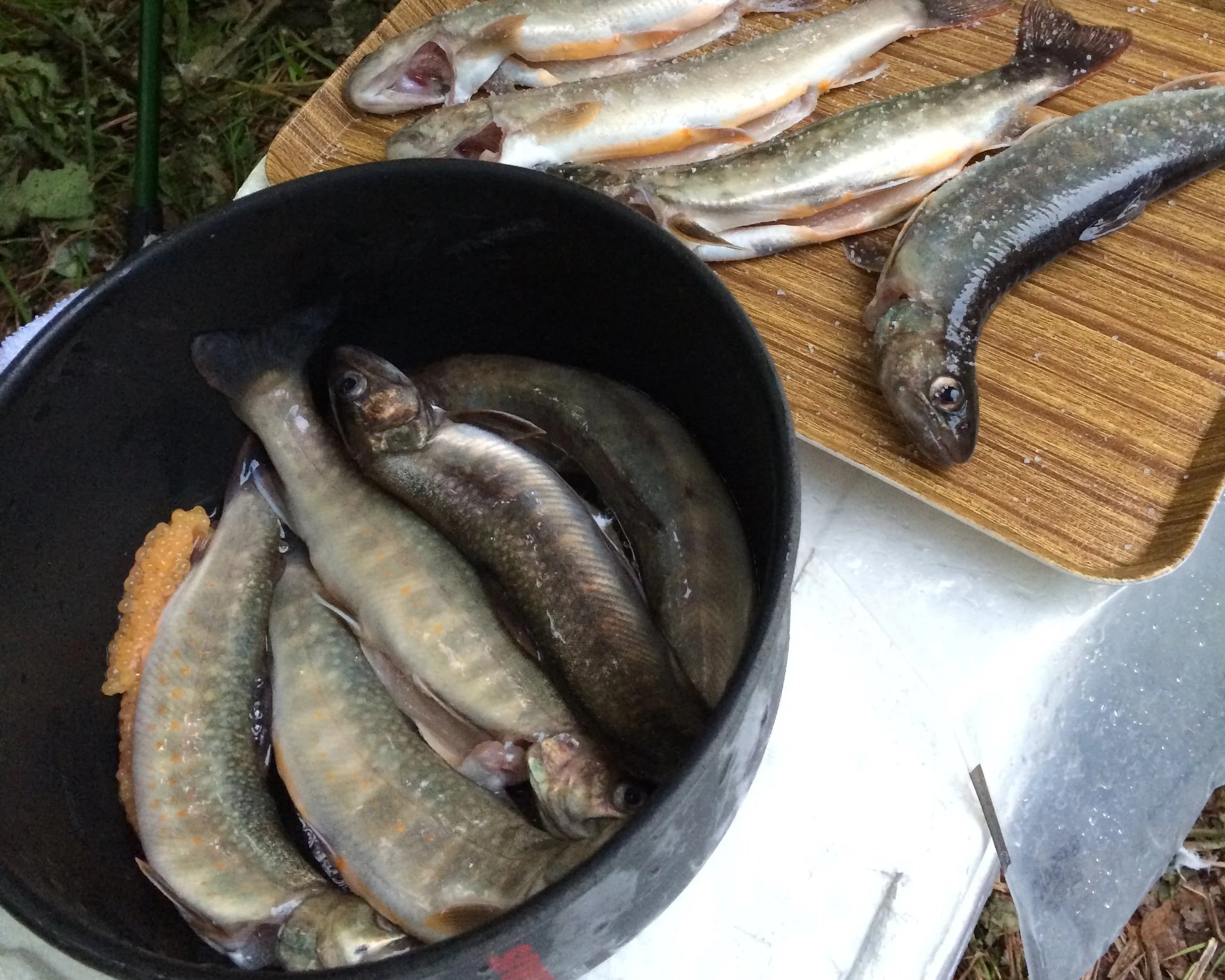
    The river was generous — on camping trips, unlike my usual practice, we'd keep what we caught for dinner, gutting and gilling the fish streamside and checking the stomach contents to see what they'd been eating. It sounds technical, but the reason is simple: if you can match your fly to what the fish are actually feeding on, your chances improve considerably. That evening, grilled over a fire or fried in tempura batter, the iwana tasted of the river.

  • Funamata River

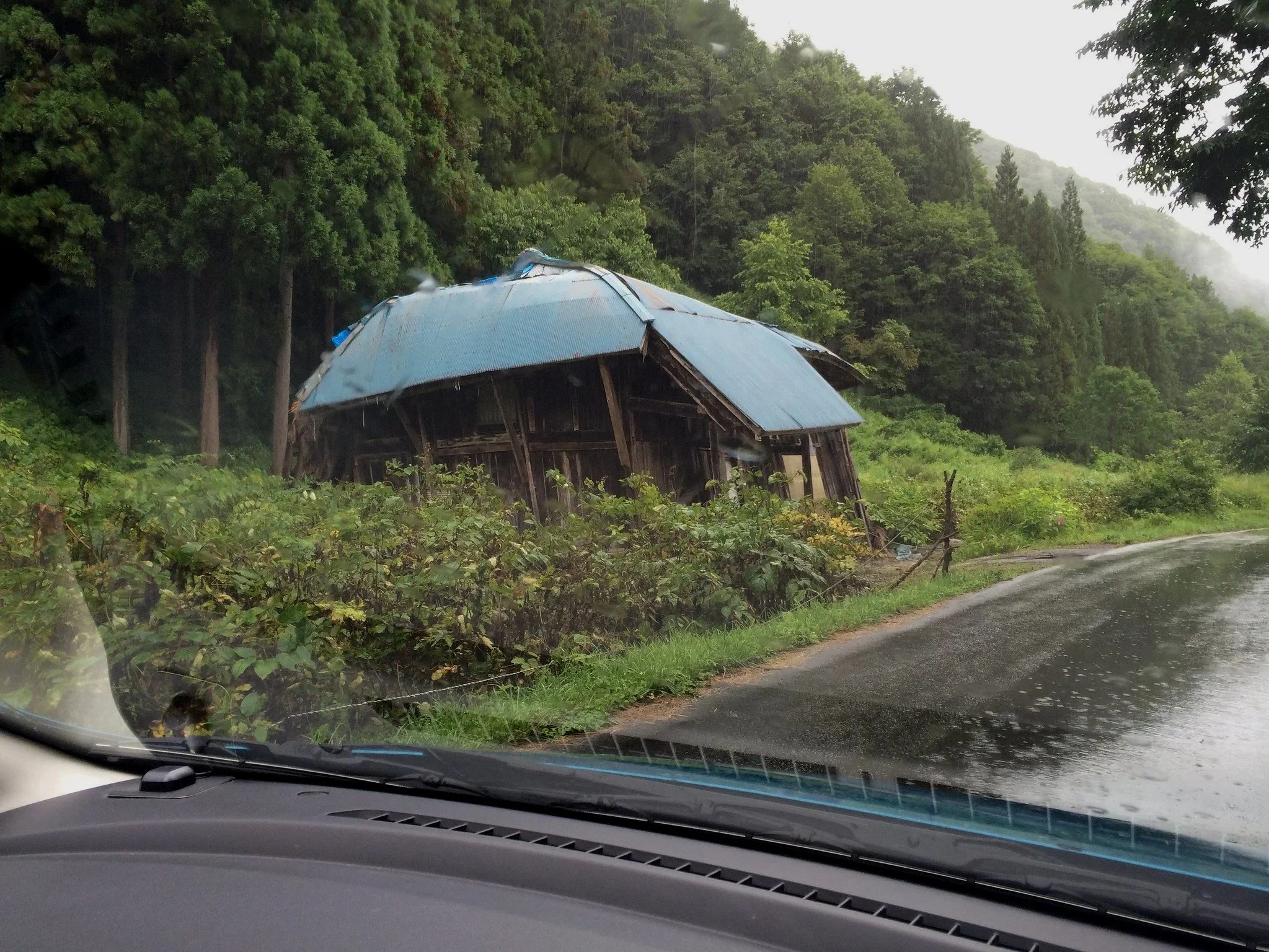
    Near the road there was an old barn with a blue metal roof, so buckled and bowed it seemed to be collapsing in slow motion. We passed it every trip and always said the same thing: still there. On a later visit, it was gone. We noticed the absence immediately, and felt it more than we expected to.

  • Funamata River

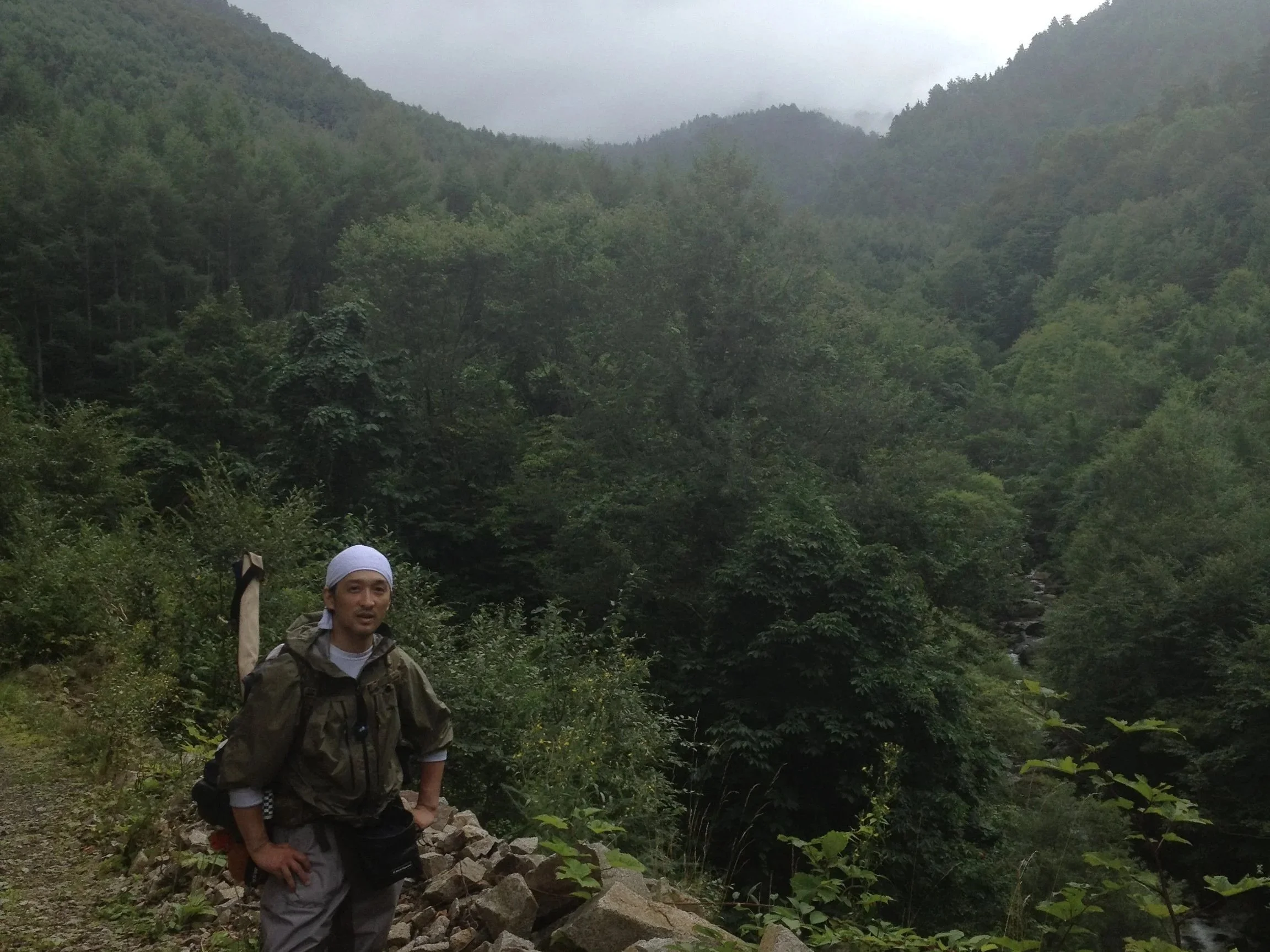
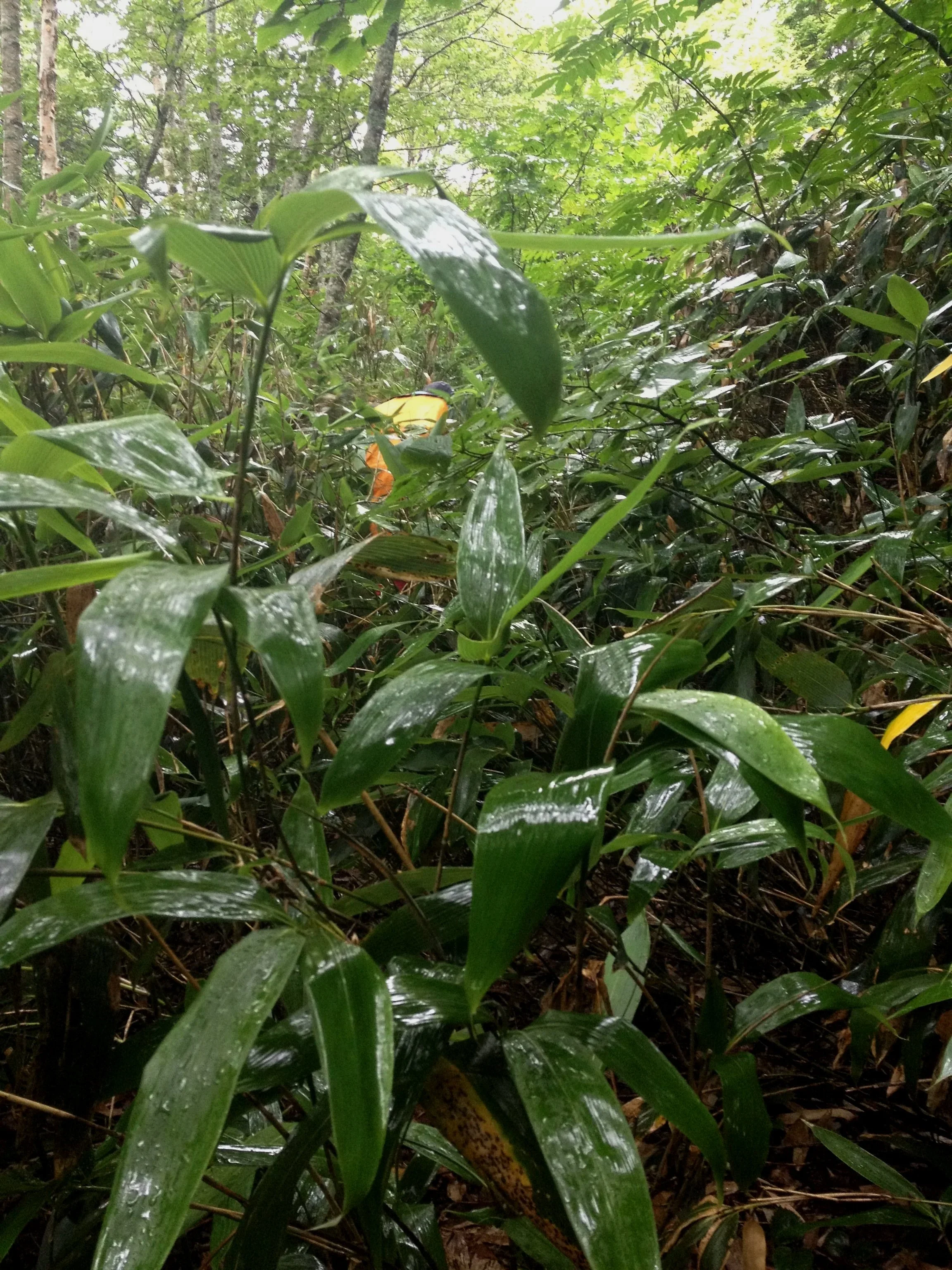
    On one walk along the forest track, we got slightly turned around and came across a man who had driven up from Nikko — alone, with a pack that made ours look modest. He pointed us in the right direction, told us where we might pitch a tent, and then added, almost as an aside, that this part of the valley was, in his words, a bear's nest. He pointed to the bell on his pack — it was roughly five times the size of ours. Small bells, he said, don't carry over the sound of the river. We took note.

    We still talk about him. Among our group he became simply "Nikko-san" — the man from Nikko — and has remained so ever since. The name stuck the way names do when someone leaves a strong enough impression: not because of anything dramatic, but because of the particular quality of his confidence. He knew exactly where he was, exactly what he was doing, and exactly how large a bear bell needed to be.

  • Funamata River

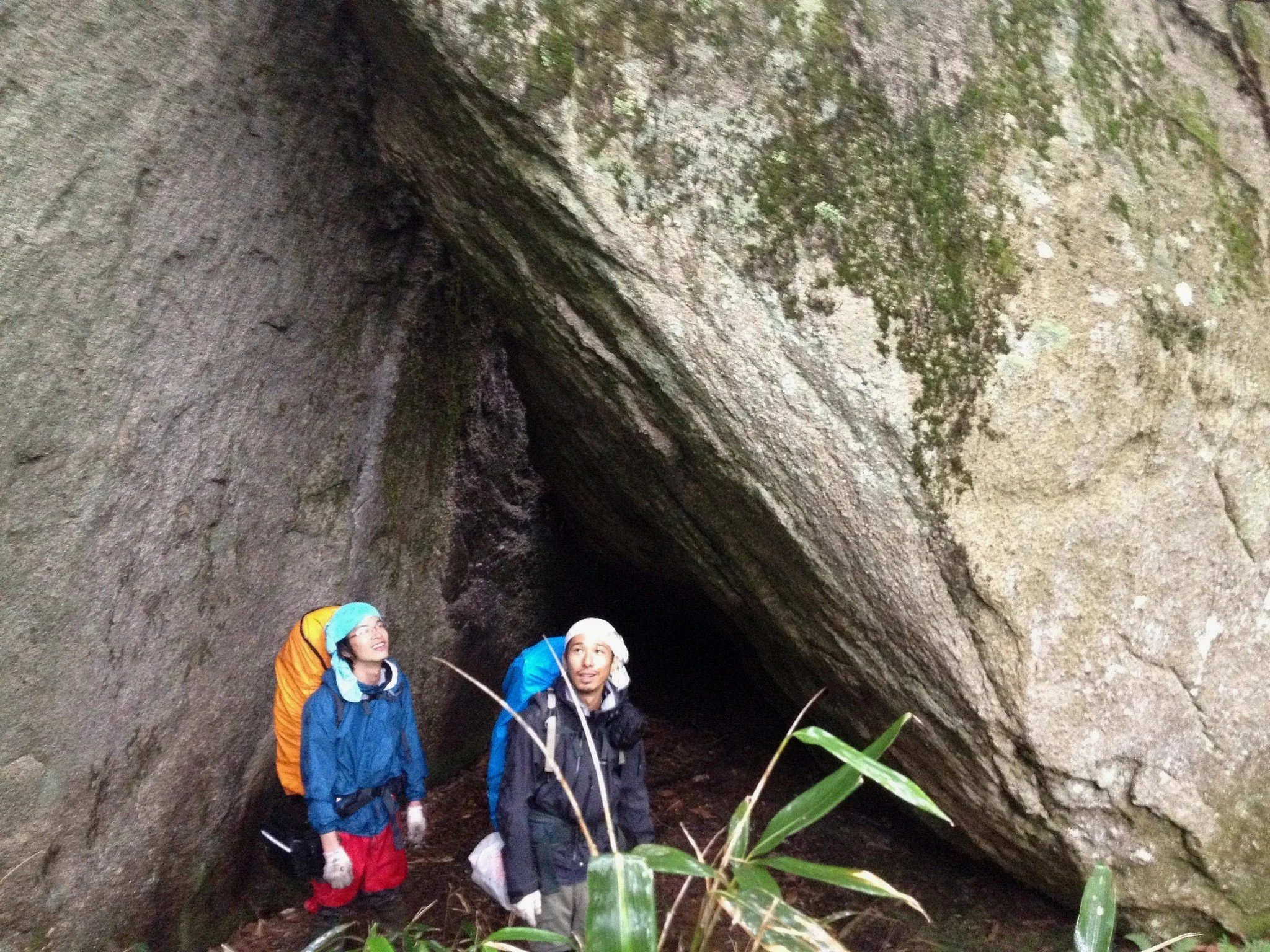
    A short while further along the track, we came to a passage formed by two enormous boulders leaning against each other — a natural tunnel in the rock. I stopped to photograph my friends standing in front of it. I will not pretend I wasn't also keeping a close eye on the darkness behind them.

  • Funamata River

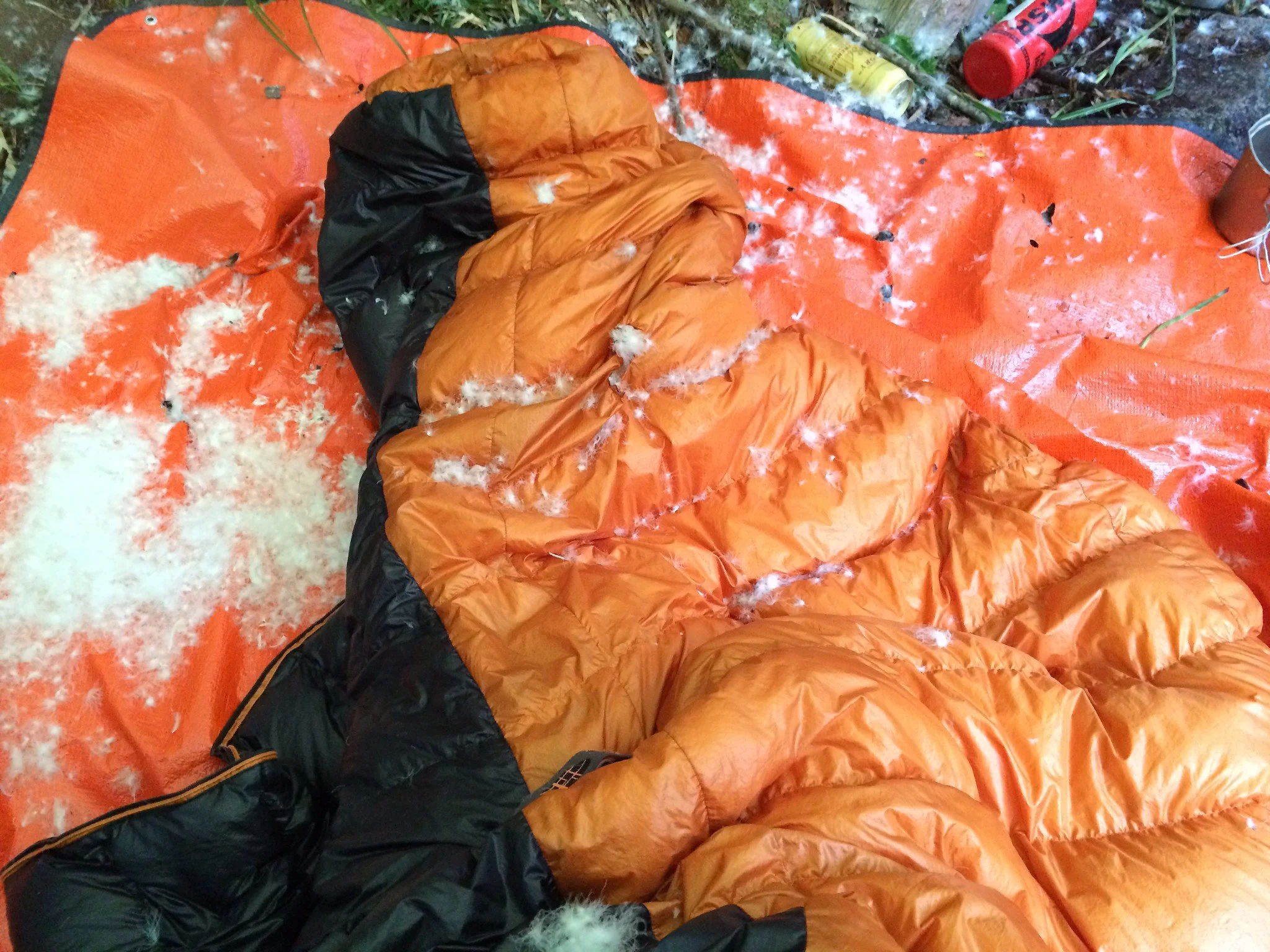
    One night I was sleeping near the fire when something woke me — a sharp, sudden pain, and a smell of burning that I couldn't place. For a moment I didn't know what had happened. Then I understood: an ember had spat from the fire, landed on my sleeping bag, melted through the shell and the down, and reached my skin. In the morning, the campsite was scattered with feathers — the kind of scene that, in nature, means something didn't survive the night.

  • Funamata River

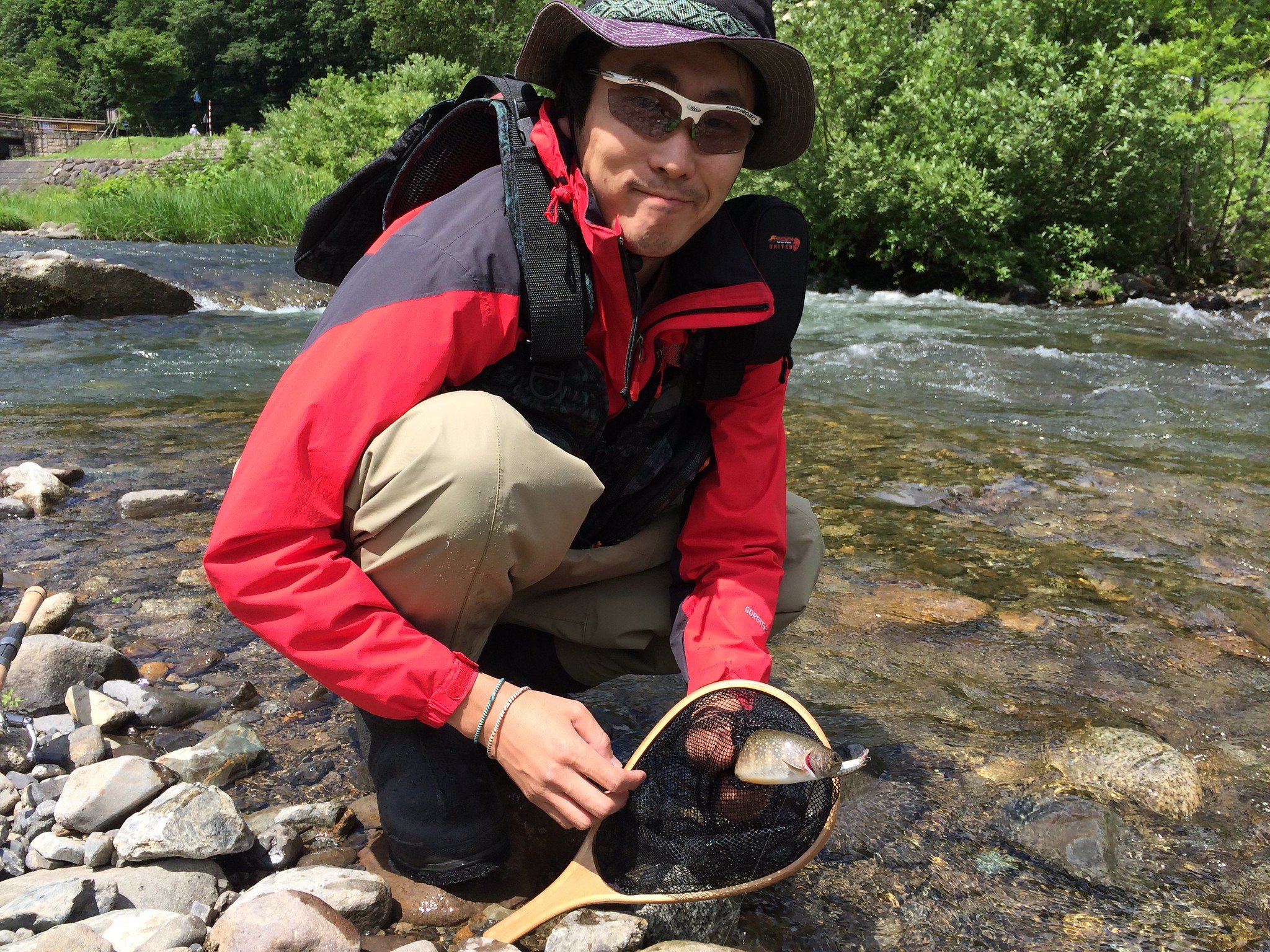
    Another trip brought someone new to the river — a friend's husband, Korean, who had moved to Japan after they married. We'd agreed to meet at first light, still completely dark, navigating by a pin I'd dropped on a map. But he was there. We drove separately and drove home separately. Half a day on a river, just the two of us. He held his first iwana with both hands, carefully, as if it were something precious. The two of them have since moved back to Korea with their children, about three years ago now. But I have a feeling that when either of us thinks of the other, this is the day we go back to.

Next
Next

Hiking