"We shape our buildings;
thereafter they shape us."

— Winston Churchill

Architecture/Urbanism
A traditional Japanese building is held together without nails. The joints are cut to fit, piece by piece — precise enough to take apart, move, and reassemble elsewhere. Added to, reconfigured, adapted to a new site. And perhaps a culture that has built this way for a thousand years learns, slowly, what the material teaches: that the right response to a new context is not resistance but adaptation. That a building is not fixed to its place, but in conversation with it.

Tokyo, looked at quickly, appears to have no philosophy at all. The city burned, rebuilt, and rebuilt again. Postwar houses wedged between recent concrete, blocks demolished and replaced before they have time to settle into the streetscape, no unified plan visible from the street, none of the slow coherence that European cities accumulated over centuries.

What is true of the building turns out to be true of the city. What looks like disorder is something else — not chaos, but emergence. Tokyo was not planned from above; it grew from below, through millions of small decisions accumulating over centuries. The streets that seem to bend arbitrarily often follow the course of rivers buried long ago — the land has a longer memory than the city built on top of it, and occasionally, in a name or the quiet logic of how things connect, it surfaces. The order was never written down. It was lived into existence, and it persists.
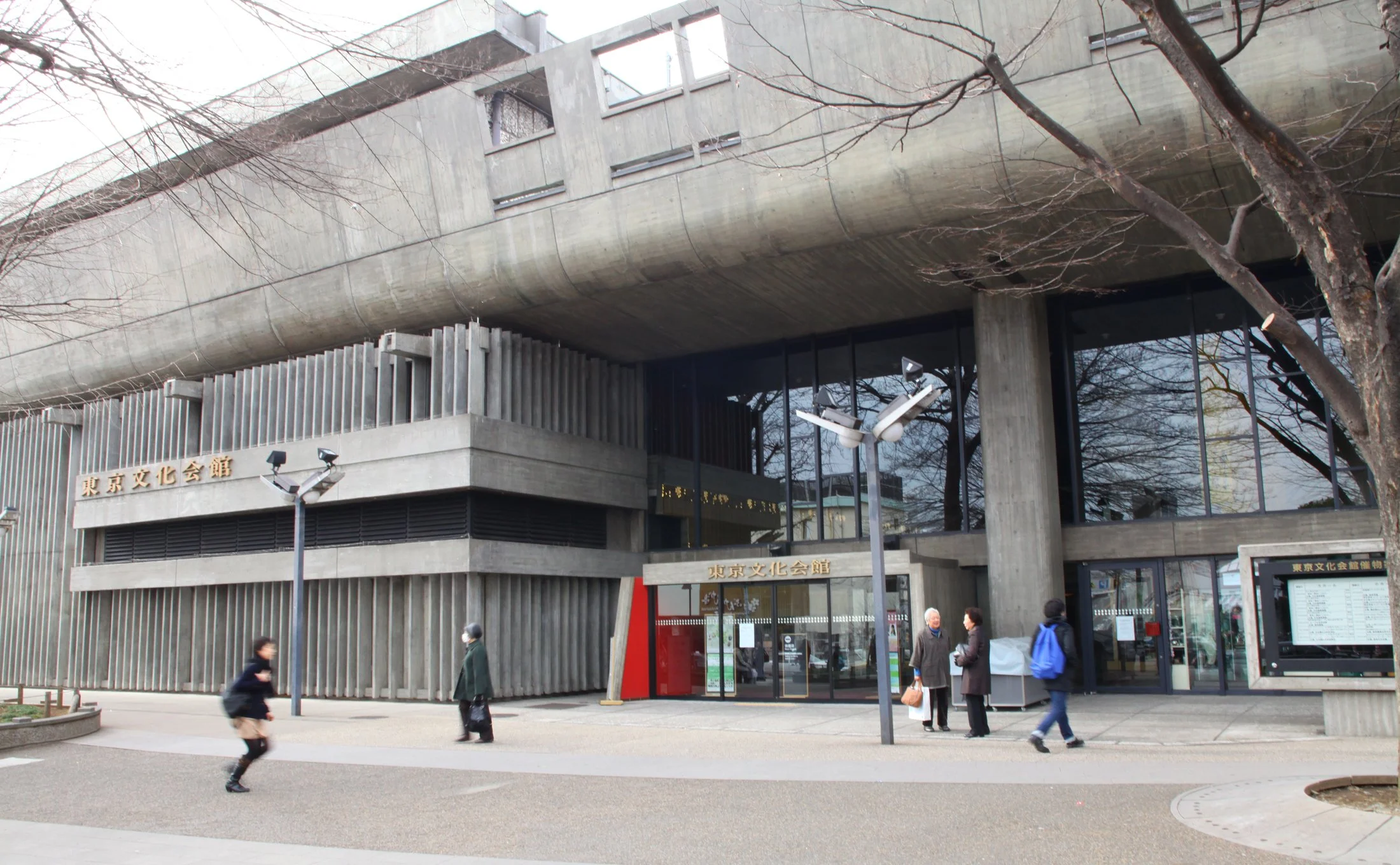
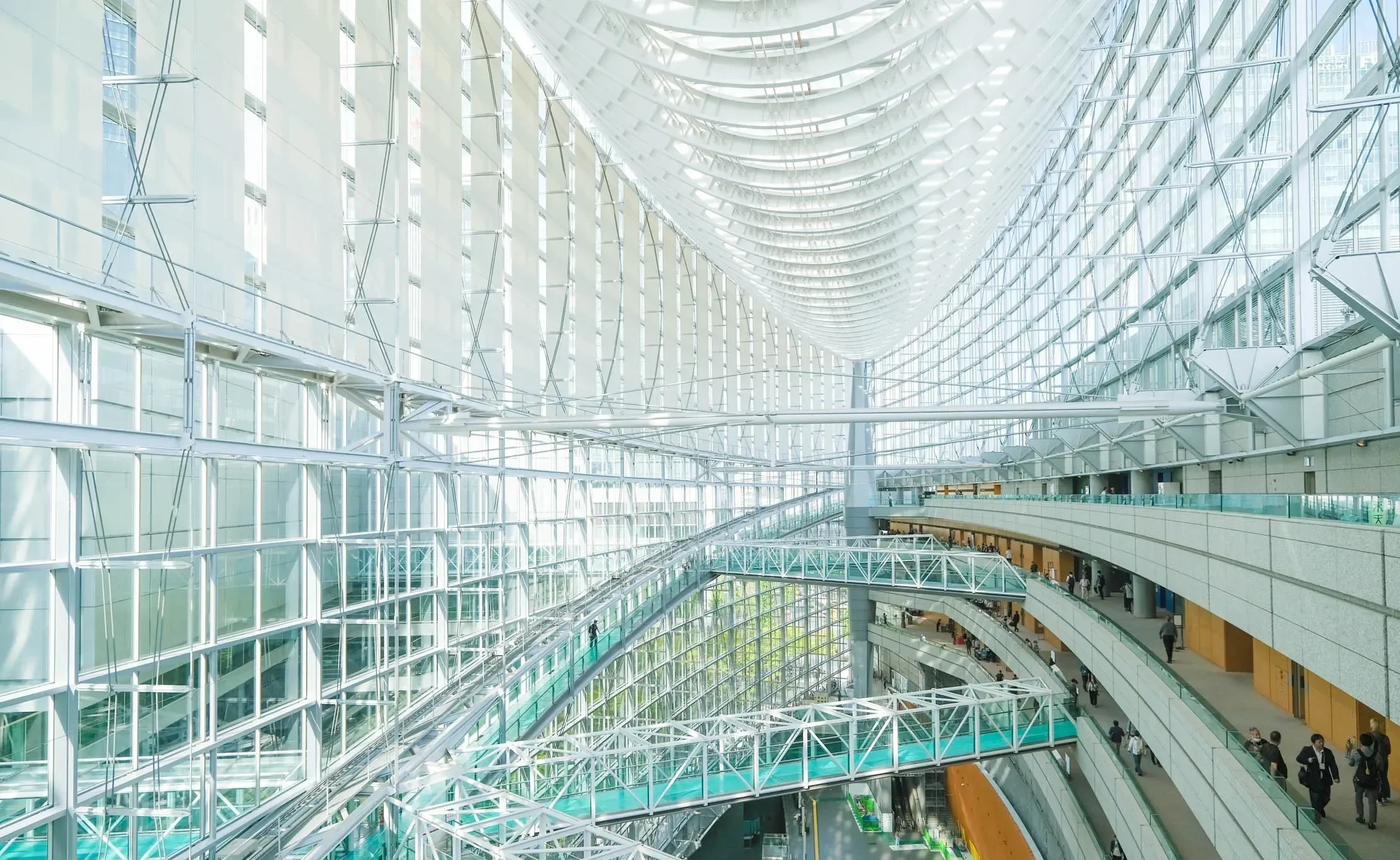
  • Tokyo Bunka Kaikan (Kunio Maekawa)

    Located in Ueno Park, Tokyo Bunka Kaikan is a post-war modernist masterpiece designed by Kunio Maekawa. Its most significant feature is the architectural dialogue it maintains with the National Museum of Western Art directly across the plaza, which was designed by Maekawa’s mentor, Le Corbusier. While respecting the scale and detail of the museum, Maekawa expressed a uniquely Japanese modernism through powerful concrete overhangs and textures. The main hall is world-renowned for its "miraculous acoustics," featuring a stunning interior with star-like ceiling lights and vibrant red and blue seating. The sight of these two buildings facing each other remains one of the most beautiful scenes in Japanese architectural history.

  • Tokyo International Forum (Rafael Viñoly)

    Standing near Yurakucho Station, this colossal glass structure is a cultural hub that opened in 1996. The winning entry of an international design competition by Rafael Viñoly, its defining feature is the Glass Atrium shaped like a massive "boat hull". This soaring space, approximately 60 meters high and 200 meters long, is encased in a delicate web of glass and steel that allows sunlight to flood the interior. Despite being in a dense business district, the scale and transparency create an uplifting sense of openness. At night, the building glows like a giant luminous cocoon, symbolizing the futuristic dynamism of Tokyo.

  • PRADA Aoyama (Herzog & de Meuron)

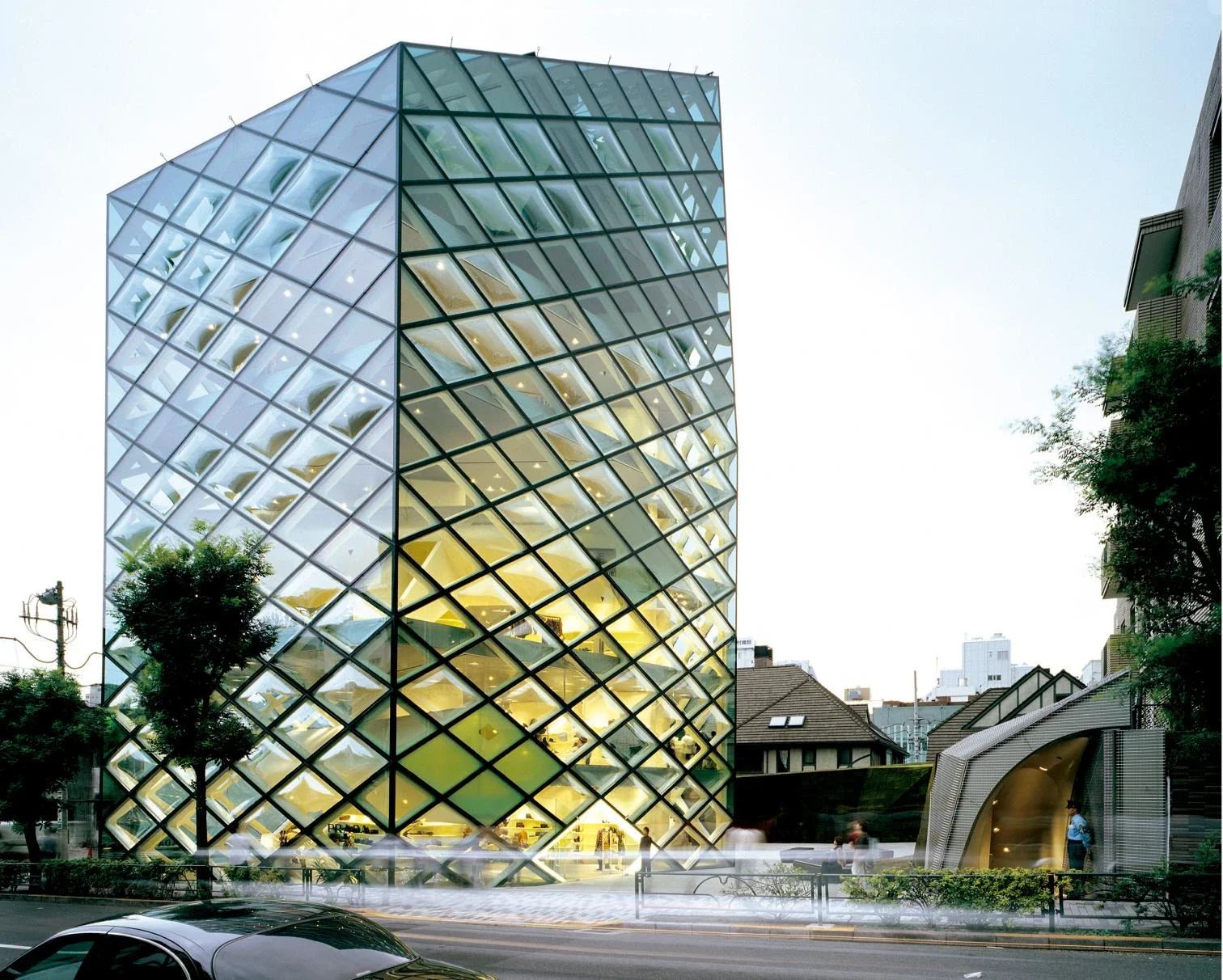
    In the Minami-Aoyama district, the PRADA Aoyama building stands as a sculptural marvel. Designed by the Swiss duo Herzog & de Meuron, it features a diamond-shaped grid of glass panels that vary between concave, convex, and flat surfaces. This creates a living visual effect where reflections and views of the interior shift as you move around the building. Structurally, the outer skin acts as a load-bearing shell, allowing for an open interior without traditional walls. More than just a retail space, this landmark is a masterpiece where fashion and contemporary architecture fuse into a singular urban object.

  • Hillside Terrace (Fumihiko Maki)

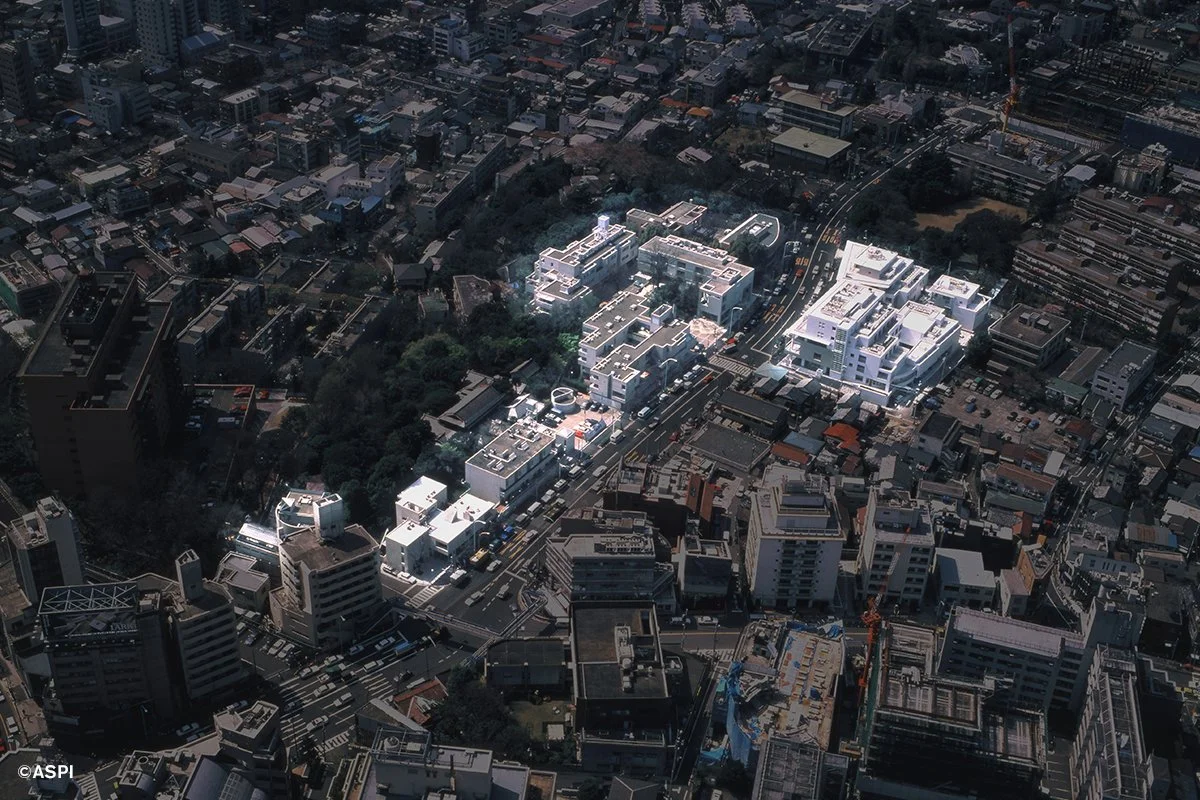
    The sophisticated atmosphere of the Daikanyama neighborhood was largely shaped by Fumihiko Maki’s "Hillside Terrace". Constructed over nearly 30 years from 1969 to 1992, this complex of residences, shops, and offices was built at a "human scale". Rather than overwhelming the area with a single massive development, it respects the pace of pedestrians and the natural rhythm of the street. Its white walls, varied volumes, and alley-like outdoor spaces represent an ideal for Japanese urban planning. Walking here, one can feel how architecture can foster "city memory" and a comfortable, enduring culture.

  • Yoyogi National Gymnasium (Kenzo Tange)

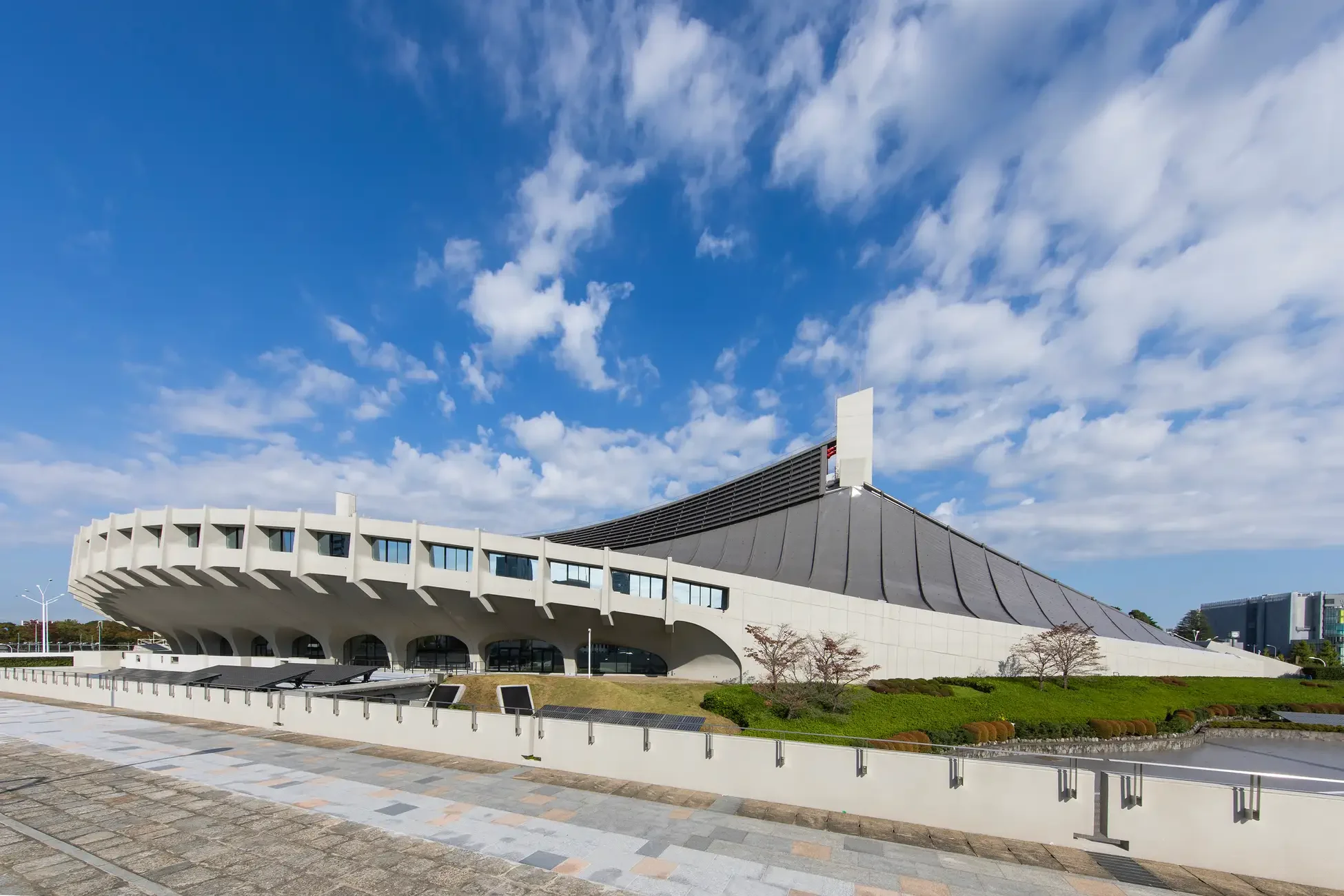
    Built for the 1964 Tokyo Olympics, this is arguably the greatest work of Kenzo Tange, the giant of Japanese architecture. Its revolutionary "suspension" structure, inspired by suspension bridges, uses massive masts and cables to support a soaring roof without the need for internal pillars. The resulting smooth curves evoke traditional Japanese shrine architecture while utilizing the cutting-edge technology of the time. It continues to be praised by architects worldwide and was designated an Important Cultural Property in 2021. Tange’s successful fusion of tradition and creation remains a powerful, timeless sight.

  • Japanese Folk House Garden (Minkaen)

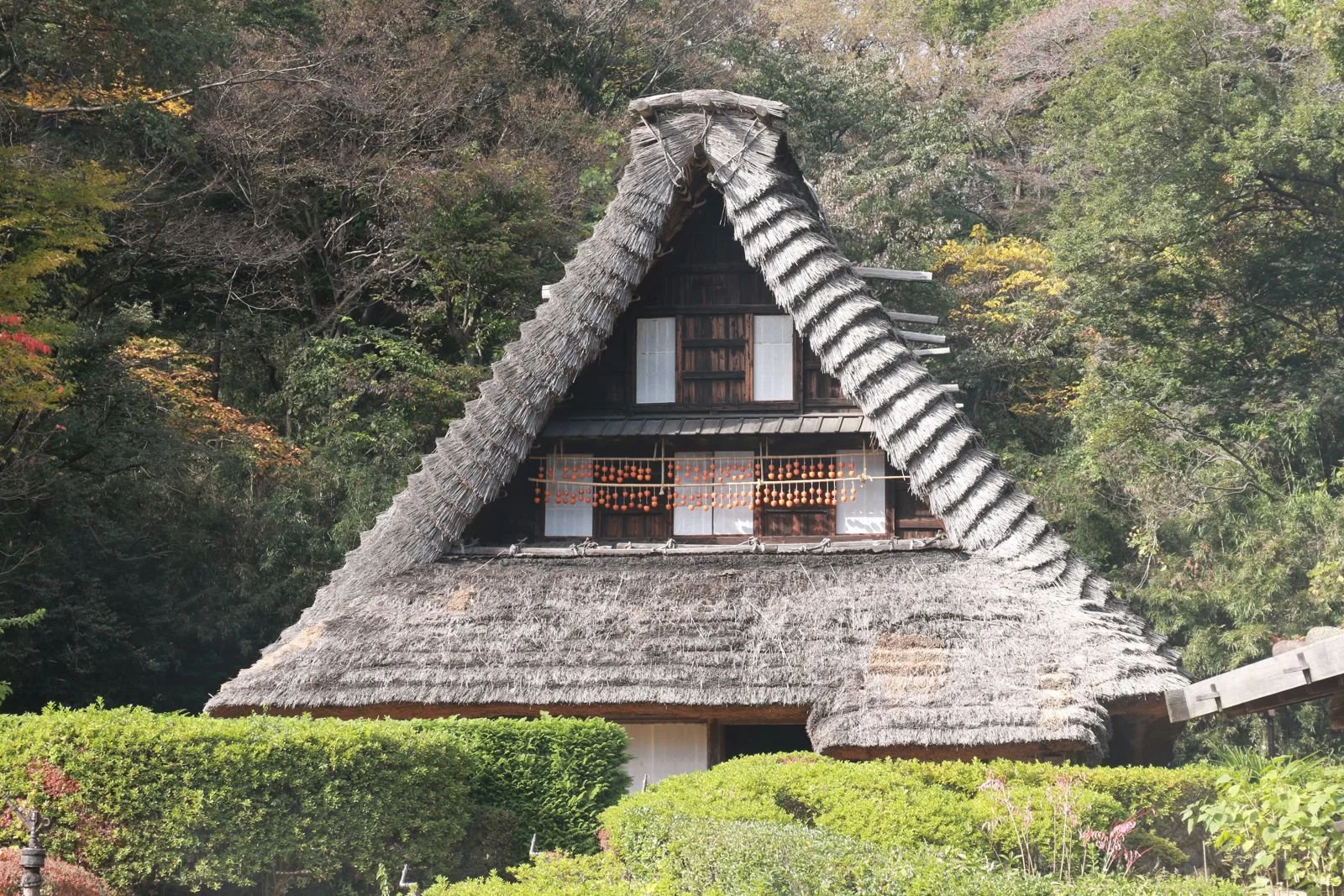
    This open-air museum perfectly embodies the "Beyond the Itinerary" spirit by offering a visceral experience of traditional Japanese life. Located in Kawasaki’s Ikuta Ryokuchi Park, it preserves 25 historic structures, including massive Gassho-style farmhouses and watermills relocated from across Eastern Japan. Inside these homes, the smell of hearth fire and the sight of thick, hand-hewn beams tell a story of ancestral wisdom and resilience. The scenery, which changes with the seasons, offers a quietude that feels like stepping back centuries. It is a rare place to observe the "power of materials" and the roots of modern Japanese housing.

  • Edo-Tokyo Open Air Architectural Museum

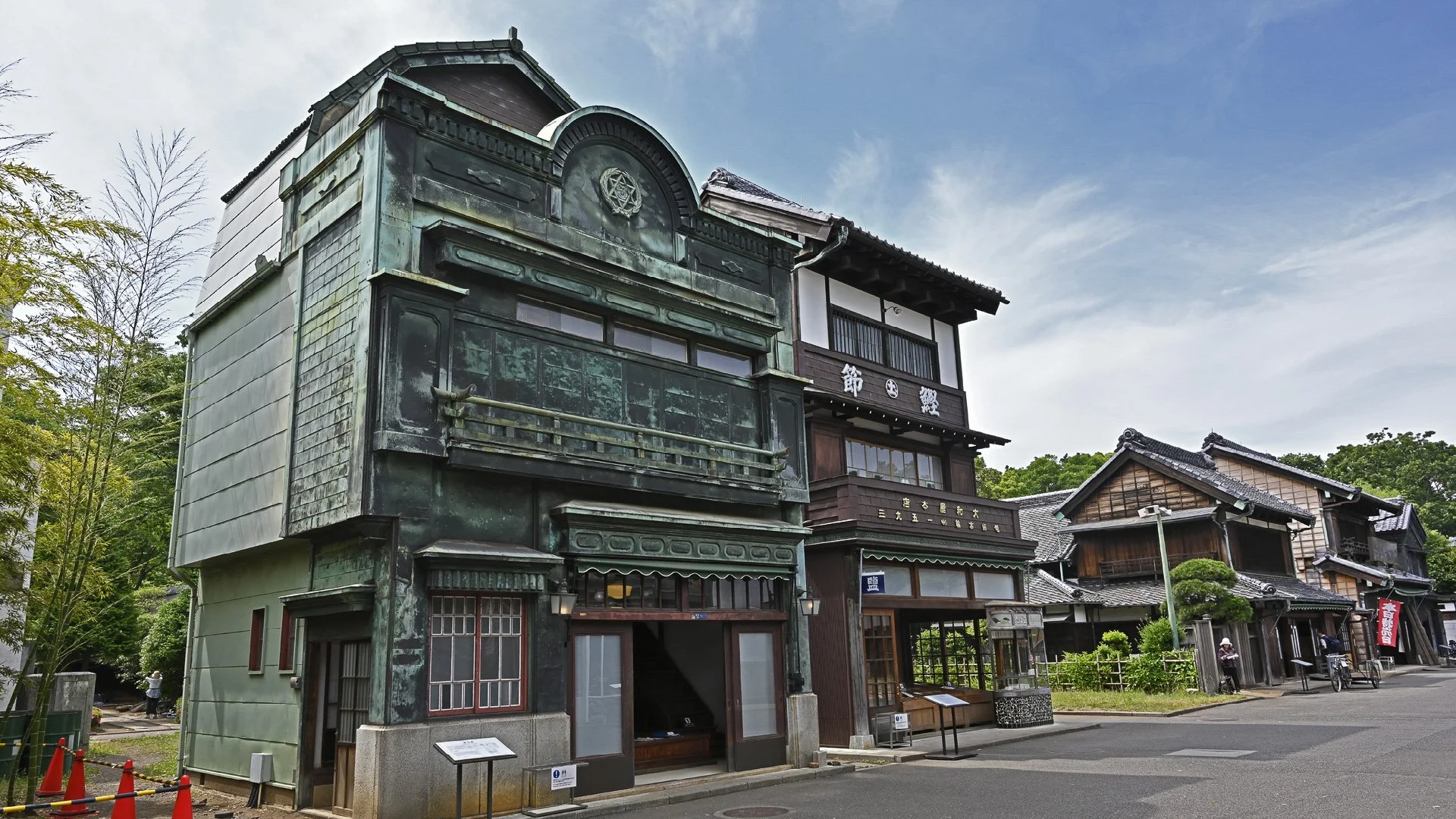
    Spread across Koganei Park, this open-air museum relocates and preserves historically significant buildings from the Edo period to the early Shōwa era. It recreates Tokyo streetscapes that have otherwise been lost, from retro shops with "billboard architecture" to elegant Western-style mansions. One of the highlights is a traditional public bathhouse said to have inspired a famous Studio Ghibli film. Exploring these buildings allows you to see how Tokyo grew by absorbing diverse architectural cultures. It is a luxurious space where you can spend a whole day learning about the "memory of the city" through its physical structures.

  • Touyama Memorial Museum

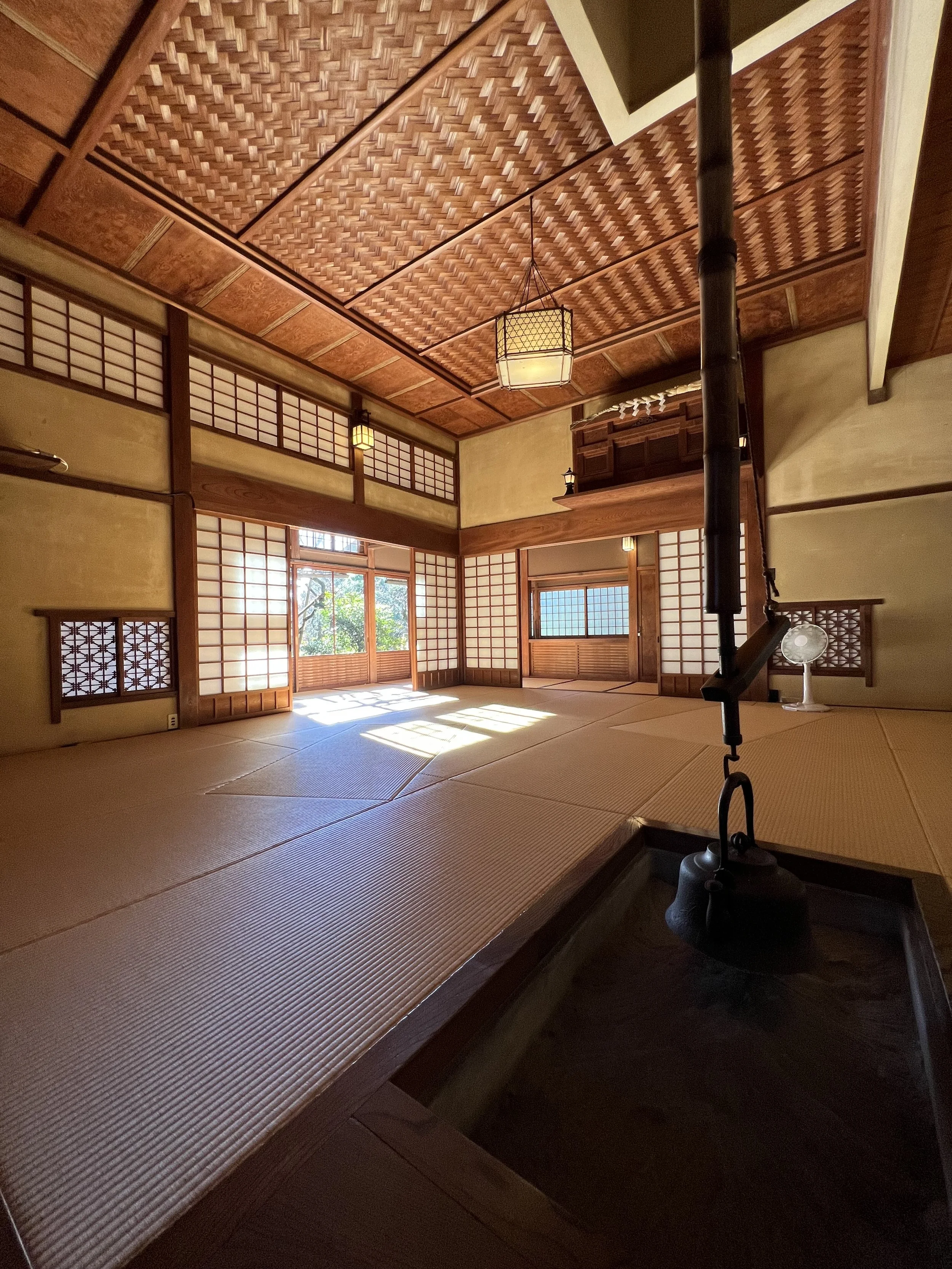
    Located in Kawajima, Saitama, this museum was built by Gen-ichi Toyama, the founder of Nikko Securities, as a home for his mother. Designed by master architect Koji Nakamura, the residence is considered a pinnacle of Sukiya architecture. The East, Middle, and West wings are crafted from the finest timber and polished to perfection by master craftsmen, embodying an "ultimate residence". The integration of the house with its vast gardens creates a space of profound serenity and luxury. It is a deeply moving site that teaches the true meaning of "tranquility" and "beauty" in traditional Japanese architecture.

  • Jiyu Gakuen Myonichikan (Frank Lloyd Wright)

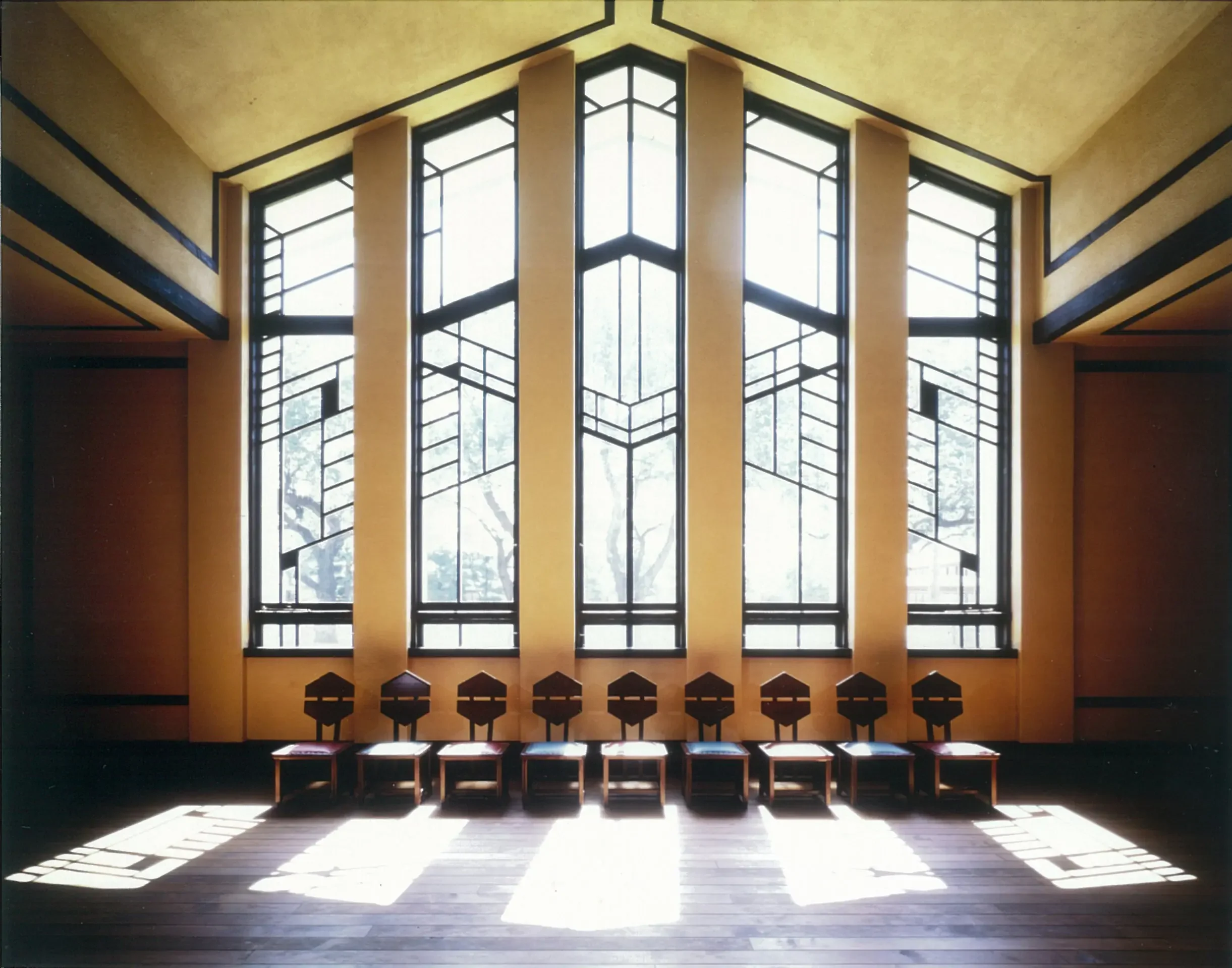
    A short walk from the bustle of Ikebukuro stands this former school building designed by the legendary Frank Lloyd Wright and his disciple Arata Endo. It reflects Wright’s "organic architecture" philosophy, featuring strong horizontal lines and beautiful geometric window frames. The central hall, flooded with light, creates an intimate atmosphere that feels more like a warm family home than a school. Today, it is preserved as an "active monument," meaning it is still used for events. Visitors can enjoy tea in the hall while immersing themselves in the aesthetic of one of the 20th century’s greatest masters.

  • Arimasutonbi-ru (Keisuke Oka)

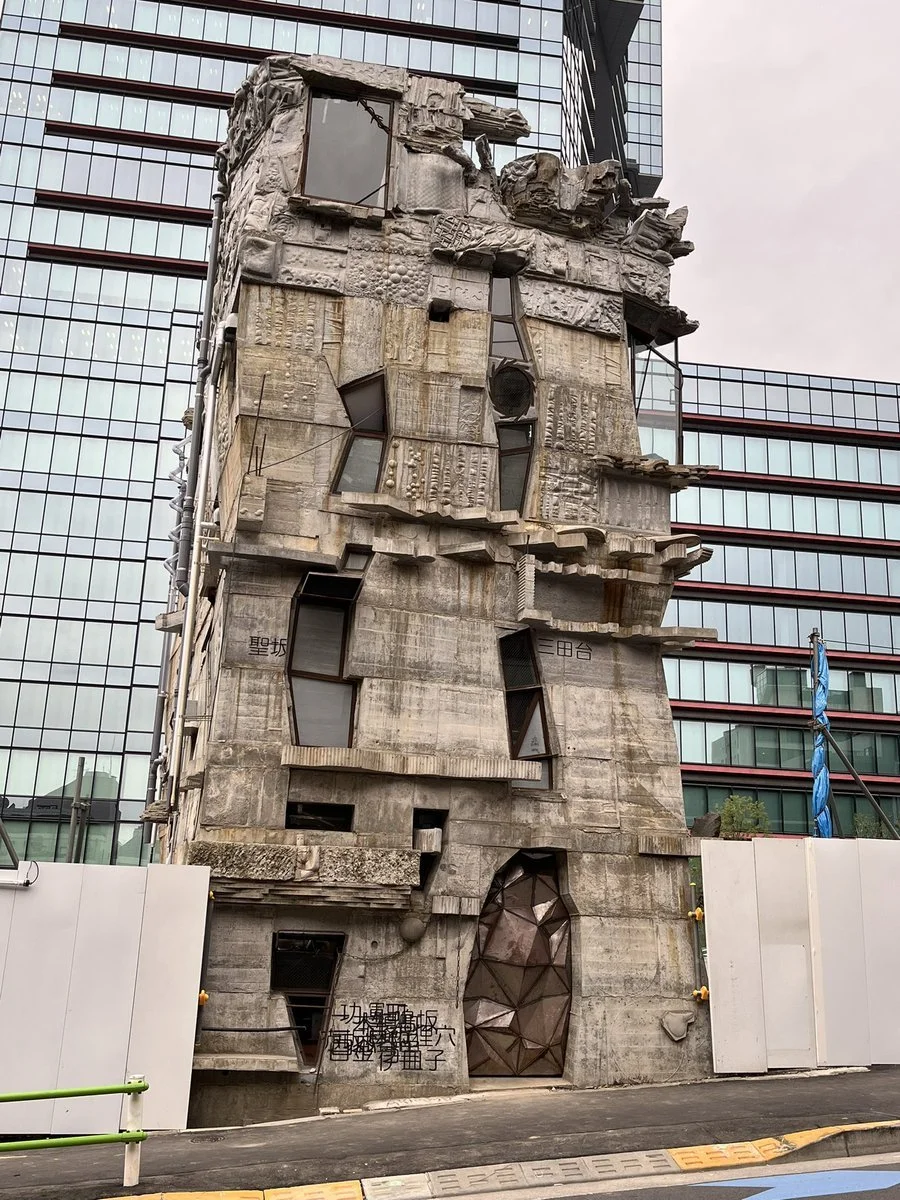
    In the residential backstreets of Mita stands "Arimasutonbi-ru," a self-built concrete structure that architect Keisuke Oka has been building by hand for over 15 years. Mixing and pouring the concrete himself, Oka has created a building that feels like it is "growing" as a living organism. The raw, improvisational carvings and the sheer energy of the structure defy the norms of modern construction. In a city of rapid development and rationalism, this rare site questions the fundamental meaning of building with one’s own hands. It is a truly unique "living architecture" that must be seen to be believed.

Previous
Previous

Onsen

Next
Next

Other Activities