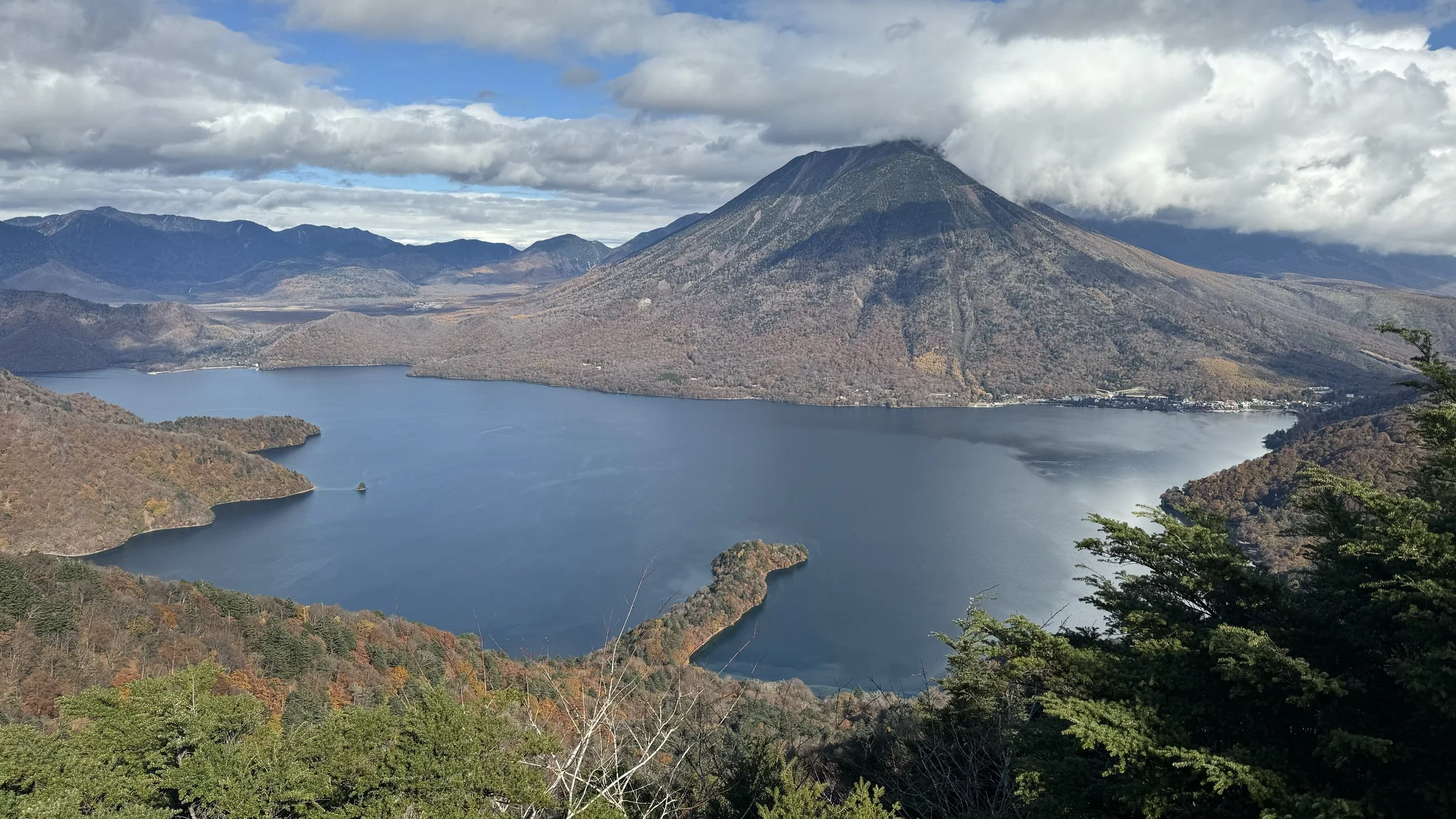
Nikkō: Strata of a Landscape — The Mountain of Gods and Buddhas, the Lake That Had No Fish
But geography alone doesn't fully account for it. "Fish cannot ascend naturally" and "people do not bring fish up" are two different things. For a fisherman, the first is obvious; the second demands an explanation.
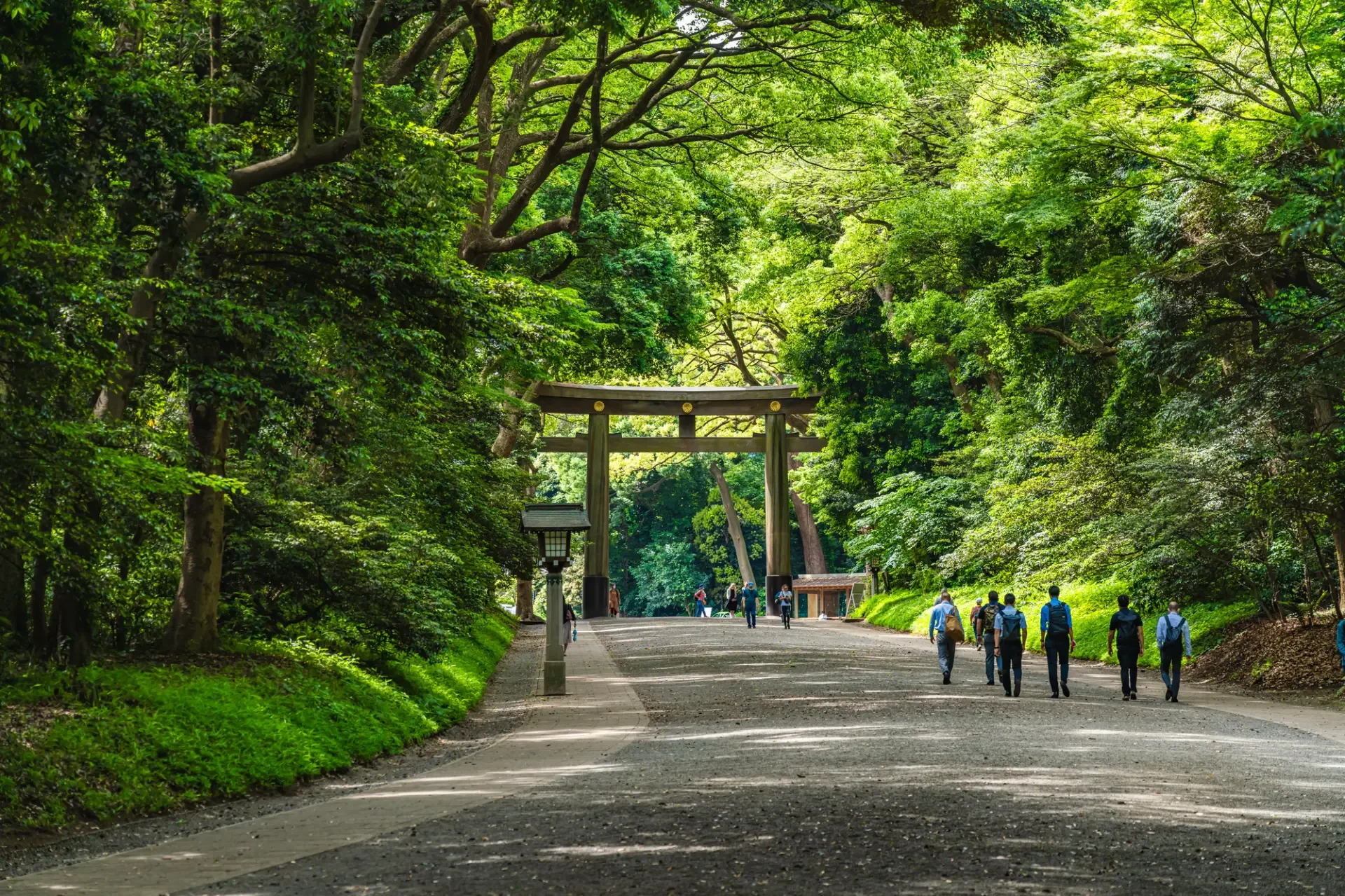
Tennō III: Forest and Constitution - The Capacity for Self-Renewal
Planting trees is not the same as making a forest.
Writing articles is not the same as making a constitution.
And perhaps the difference between the two only becomes fully visible in what remains, a hundred years on.
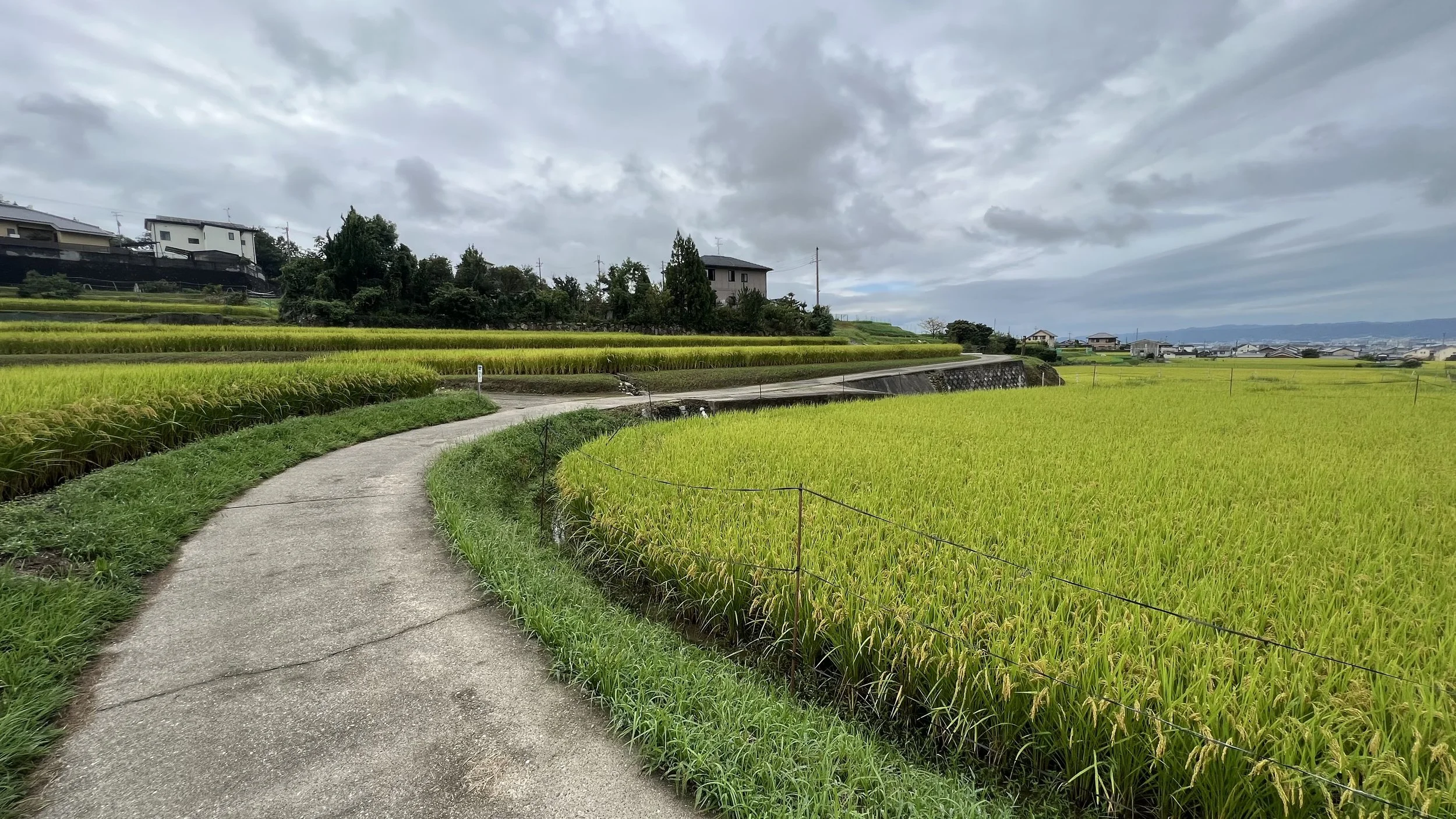
Tennō II: Two Basins - The Imagination of Governance
If the question is how the Emperor came to occupy the position he did — not as the strongest ruler, but as the center of an order that outlasted every ruler — the entrance to that question is not Kyoto. It is Nara.
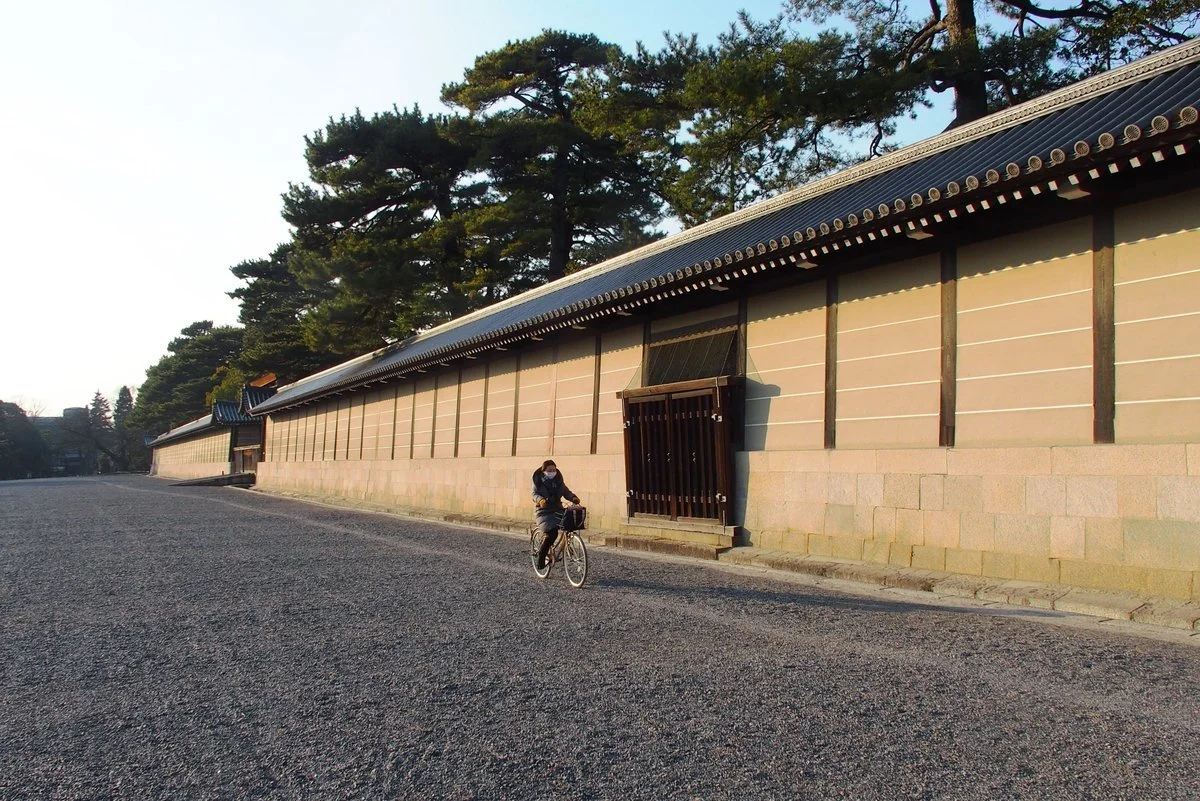
Tennō I: Stone Walls and Clay Walls: What Two Palaces Say About Japan
The stone walls of the Tokyo Kōkyo say: there is force here that protects what lies within.
The clay walls of the Kyoto Gosho say: there are people who want to protect this place.
The first is protected by power. The second is protected by relationship.