Gardens, Tea and the Space Between
Years ago, at Cornell University's library, I came across a Japanese book on a shelf. Nihon Design Ron — A Theory of Japanese Design — by Teiji Itoh, published in 1966. I remember thinking: why is a Japanese-language book sitting here in upstate New York?
I picked it up anyway. An hour later I was still reading.

Itoh was a Japanese architect who taught at the University of Washington. The book grew from his lectures — his attempt to explain Japanese spatial thinking to Western students. What struck me then, and still does, is how much of what I had always sensed about Japanese spaces he managed to put into words. Things I had felt but never quite articulated. I should add: I grew up in Japan, but Japanese gardens were never really part of daily life — they belonged to temples, to historic sites, to school excursions where you walked past them without anyone explaining what you were looking at. What the book gave me was a framework for understanding something I had been surrounded by without fully seeing.
I bought my own copy when I returned to Japan. I still return to it.
This essay draws on what Itoh laid out, combined with what I've noticed over years of moving between Japanese and Western spaces — and watching visitors encounter Japan for the first time.
Two Ways of Looking at Nature
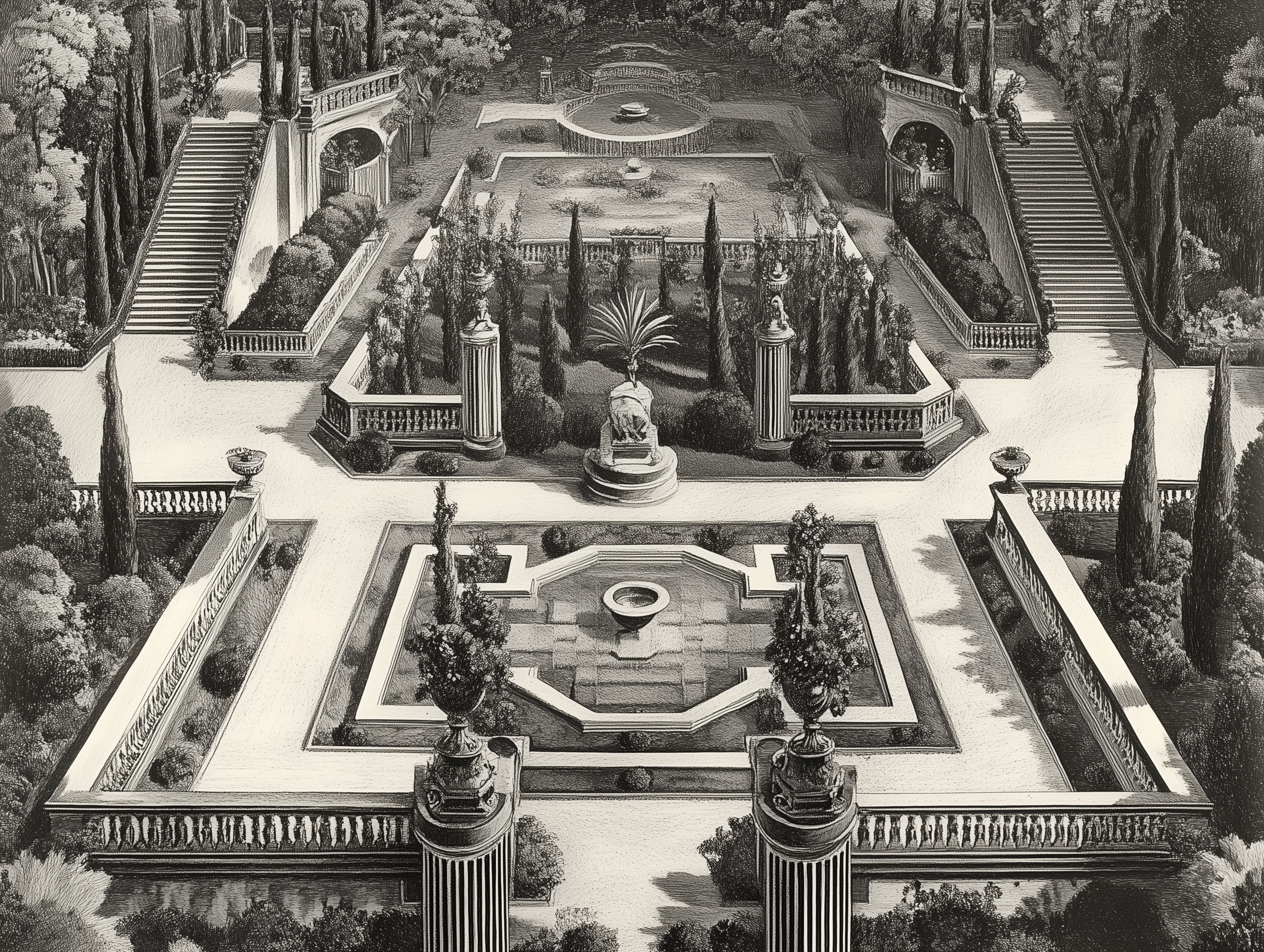
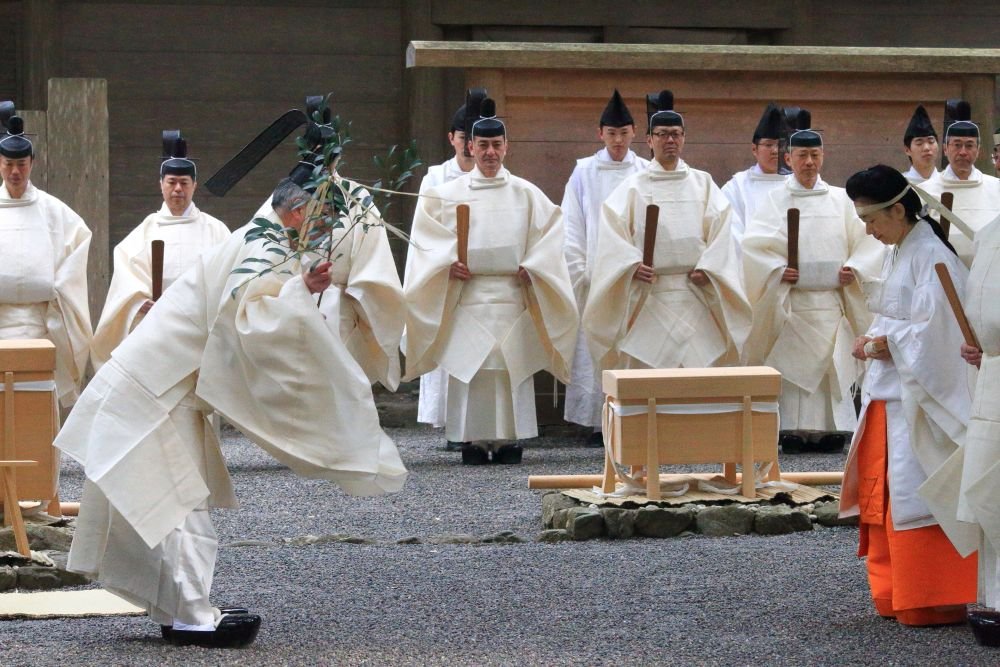
The difference starts with language. In English and most European languages, "garden" carries the idea of enclosure — a space where humans contain and manage nature. The Japanese word niwa has older roots: it originally referred to a sacred ceremonial space in front of a building. Not a place where nature was controlled, but where something was meant to happen between people and the world around them.
That linguistic difference turns out to be a window into something much deeper.
Western garden history goes back to ancient Egypt — geometric patterns, linear designs, an insistence on order as early as 2000 BC. Greek and Roman gardens added colonnades and statues. The Renaissance reinterpreted classical ideals of beauty. And then Versailles: the ultimate expression of humans imposing rational order on nature, where straight lines and grand vistas declared, without ambiguity, who was in charge.
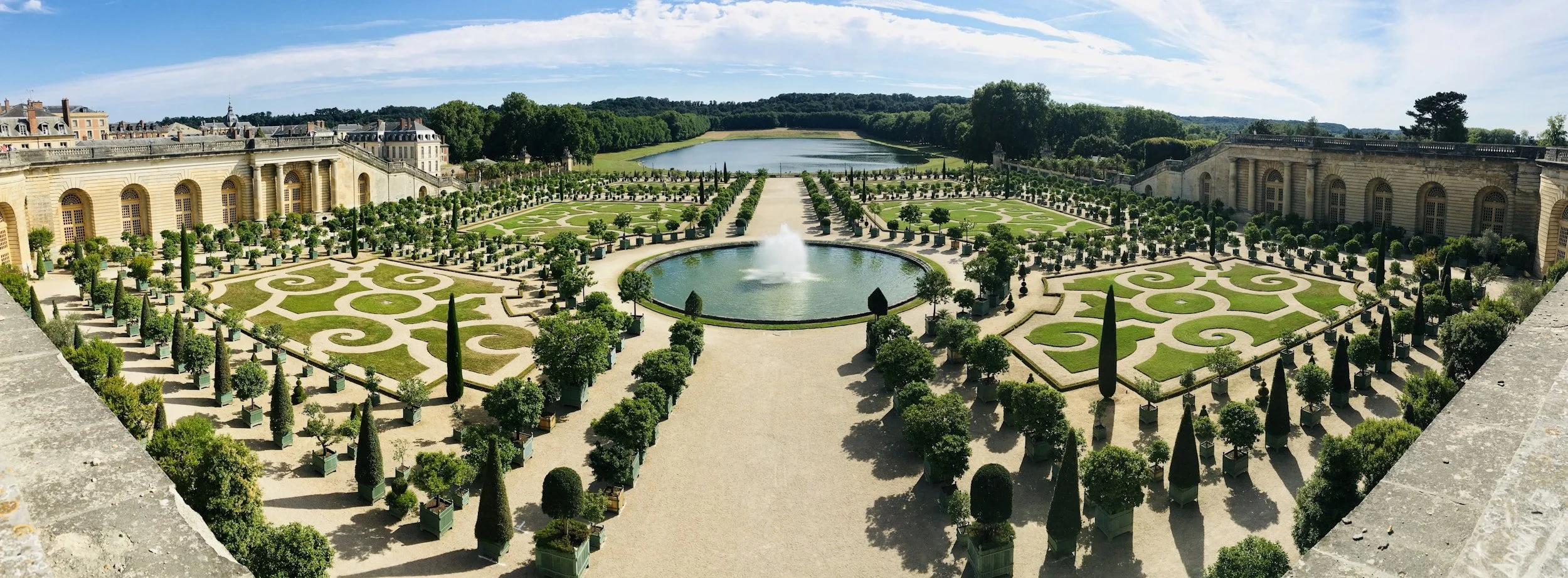
The underlying idea was a clear separation between the observer and the observed — a dualism running through Greek philosophy and Christian theology alike. Humans stood apart from nature, shaped it, perfected it. The garden was something to be looked at: a composition, a statement, a completed object.
Japan's spatial tradition started from a different premise. In Shinto belief, kami — the sacred essence that can exist in a mountain, an ancient tree, a striking rock, a bolt of lightning — was understood to be present in the natural world. Large rocks known as iwakura were places where this presence could manifest, and many Shinto shrines stand on those same sites today. This is not nature worship in a romantic sense. It is a fundamentally different understanding of what the world is made of, and where humans fit within it.
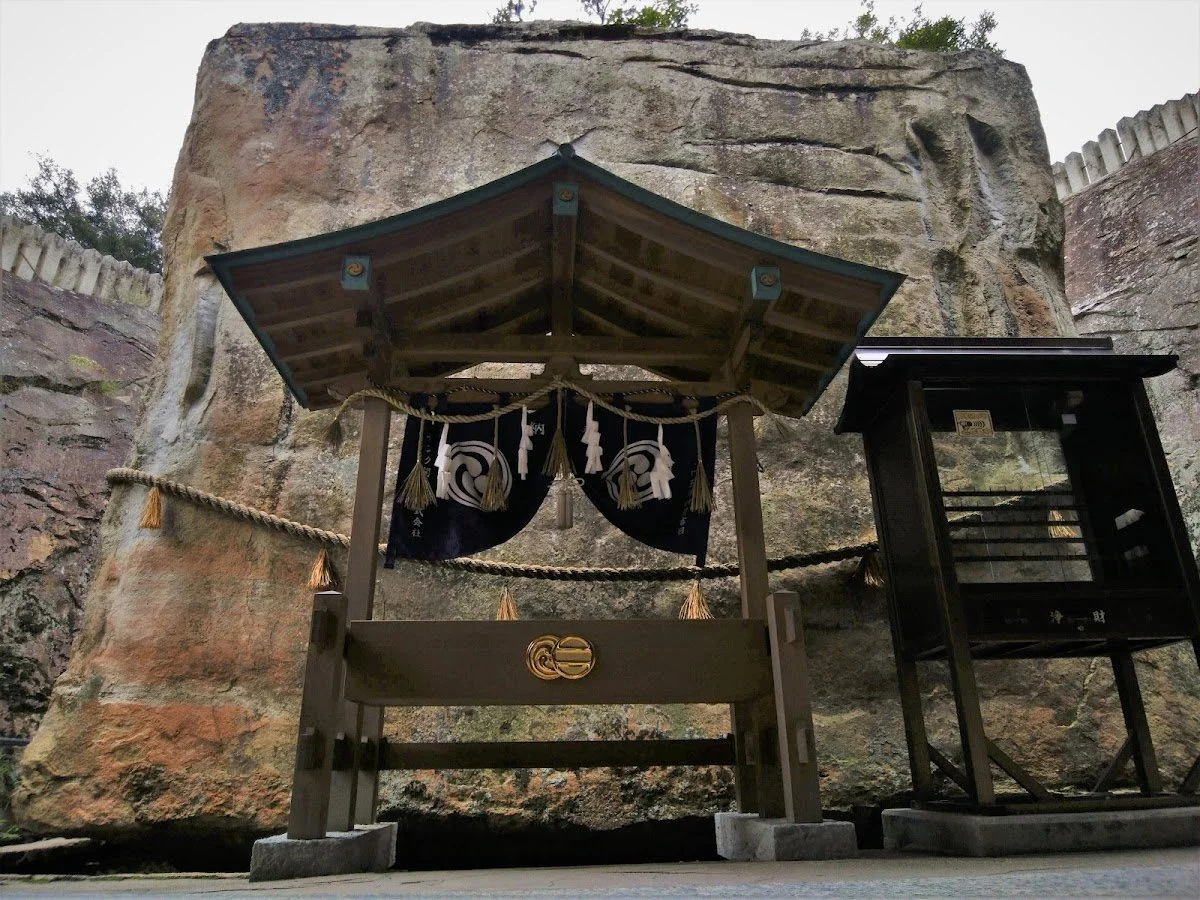
This sensibility — that humans are part of nature rather than above it, that space between things carries meaning, that suggestion can be more powerful than statement — was already embedded in Japanese culture long before Buddhism arrived. What it needed was a philosophical tradition precise enough to articulate and develop it. That tradition arrived from the Asian continent, and what Japan did with it was entirely its own.
Why Zen Took Root Differently in Japan
Zen traces its origins to India — to the meditative traditions at the heart of early Buddhism — but it reached Japan through China, where it had traveled as Chan Buddhism and absorbed significant influence from Taoism along the way. But something happened to it in Japan that did not happen elsewhere.
China and Korea both received Chan Buddhism. Yet it is Japan where its influence on art, architecture, gardens, ceramics, and the ritual of everyday life became most deeply embedded — and where much of that tradition remains visible and practiced today. Why?
Part of the answer lies in timing and patronage. The Heian period (794–1185) had been dominated by court aristocracy in Kyoto — a world of elaborate ritual, esoteric Buddhism, and an aesthetic culture of extraordinary refinement. But this world was also deeply insular, its power increasingly disconnected from the realities of a country that was changing around it. By the late twelfth century, military clans had been fighting for dominance for decades. When the Kamakura shogunate was established in 1185, political power shifted decisively from the court to the warrior class — and it did not return.
The samurai needed something different from the elaborate, esoteric Buddhism of the Heian nobility. Zen, which arrived and began to spread during the Kamakura period (1185–1333), offered directness: the possibility of enlightenment through discipline, meditation, and the mastery of one's own mind. It resonated with people whose lives depended on clarity under pressure. Zen monasteries received the patronage of warrior lords. Zen monks became advisors, teachers, and cultural intermediaries. The relationship between Zen and the warrior class would shape Japanese culture for the next several centuries.
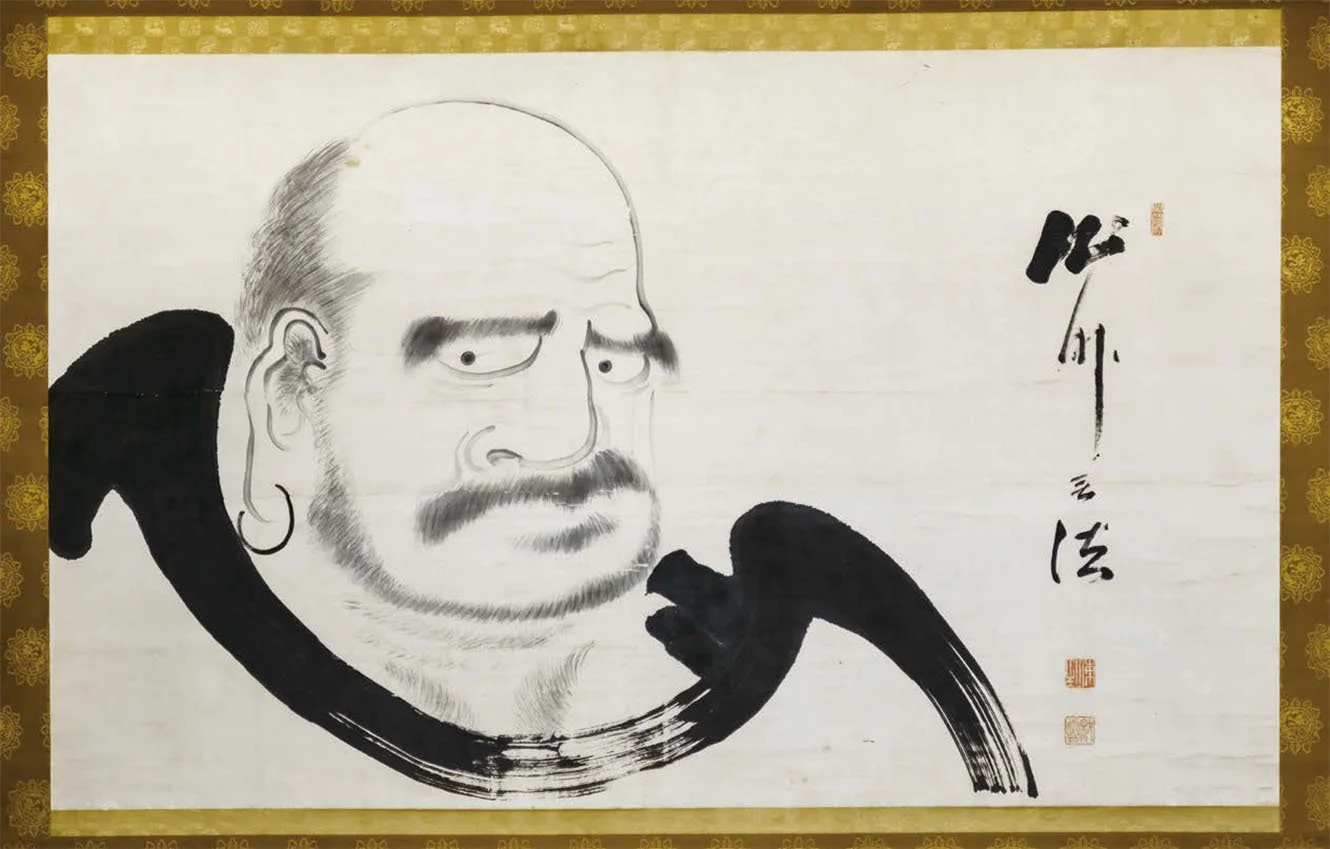
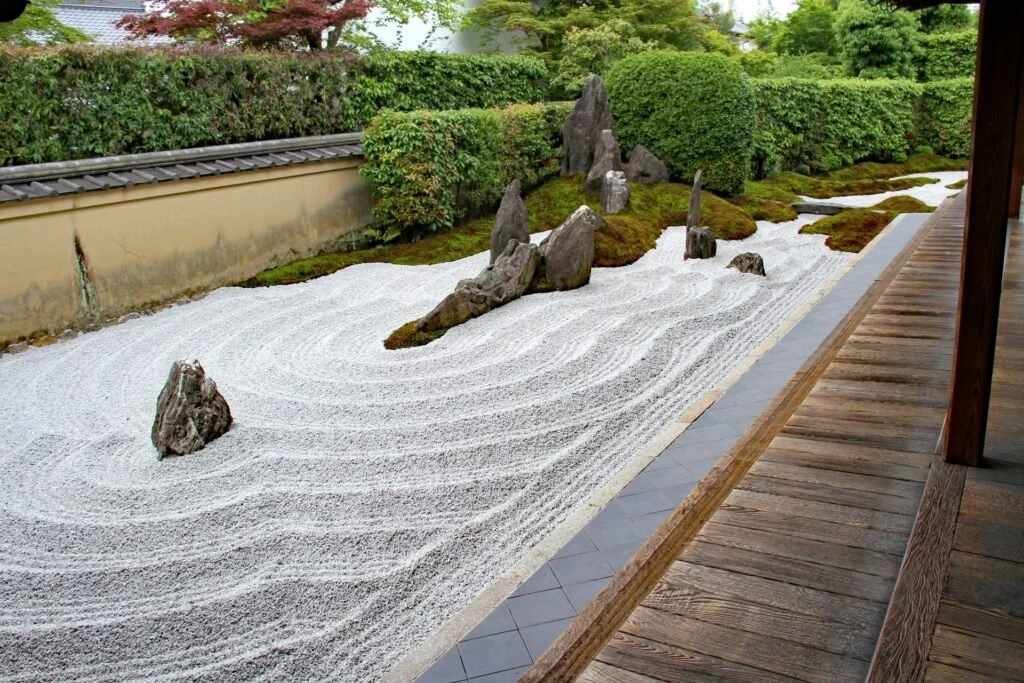
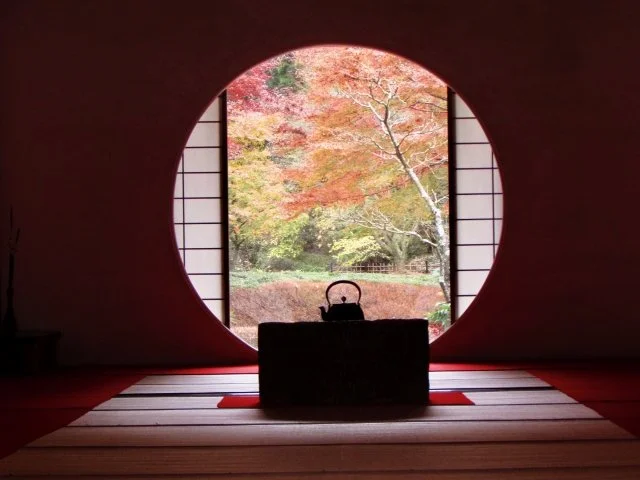
But the deeper reason may be that Zen landed on ground that was already prepared. Japan had long valued suggestion over statement, incompleteness over resolution, the space between things as much as the things themselves. These were not ideas imported from China — they were already present in Japanese poetry, in Shinto's relationship with the natural world, in an aesthetic sensibility that had been developing for centuries. Zen did not create this sensibility. It gave it a philosophical framework.
In China, Buddhism was eventually suppressed, revived, and transformed through successive dynasties. The conditions that might have allowed a Zen-influenced aesthetic culture to deepen across generations simply did not persist in the same way. In Japan, the combination of relative geographic isolation, a warrior class that patronized Zen institutions for several centuries, and a culture already oriented toward restraint and suggestion, created the conditions for something to grow that has no real equivalent elsewhere.
The Art of Leaving Things Out
Zen's interest in the essential rather than the literal transformed garden design. Karesansui — dry landscape gardens — emerged from this orientation: raked sand representing water, stones representing mountains, the entire landscape compressed and abstracted.
This tendency reached its extreme in Ryōan-ji's rock garden — fifteen stones in white sand, from which the visitor is never able to see all fifteen simultaneously, no matter where they stand. Whether this is intentional remains debated. But it functions as a kind of visual kōan — a Zen riddle with no final answer: the complete picture is always just out of reach.
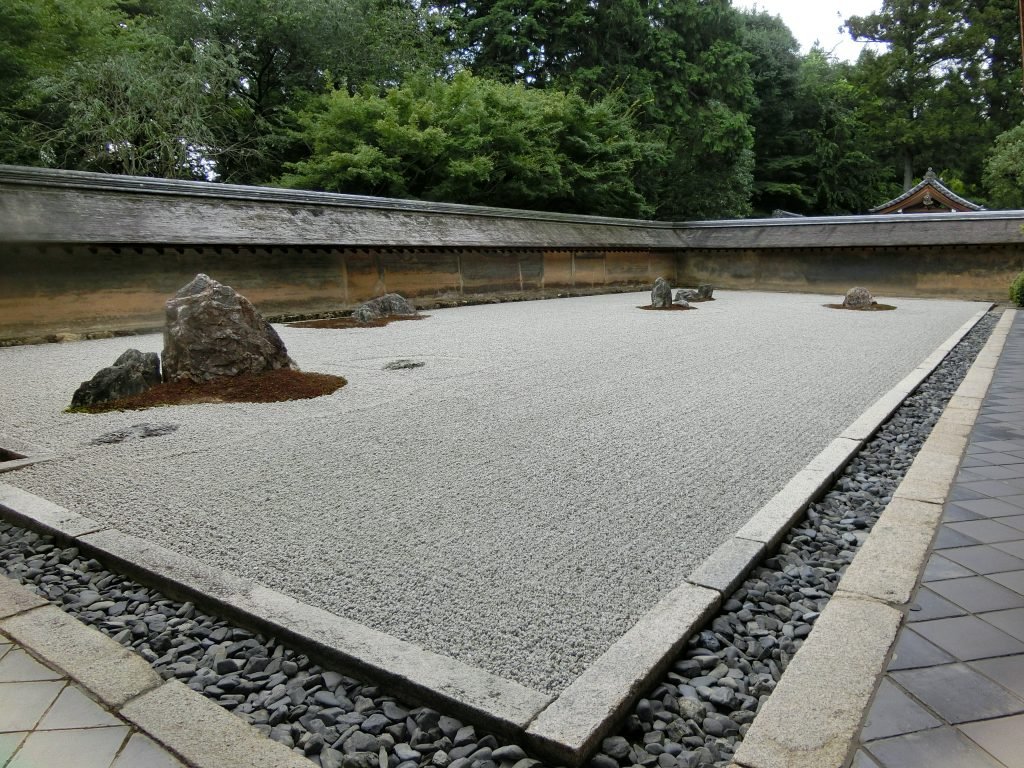
What makes these spaces work is a concept that resists clean translation: ma. Usually rendered as "negative space" or "interval," neither captures it fully. Ma is not emptiness — it is the meaningful void, the pause that gives surrounding sounds their shape. In music, it is the silence between notes. In a garden, it is the space between stepping stones, the corner you cannot quite see around, the part of the view deliberately hidden by a wall or a carefully placed rock.
Western design uses space to express volume — to overwhelm, to elevate, to declare. Japanese design uses space to create absence — a void that invites the viewer to complete what isn't there. In Western design, space serves the object. In Japanese design, space is the object.
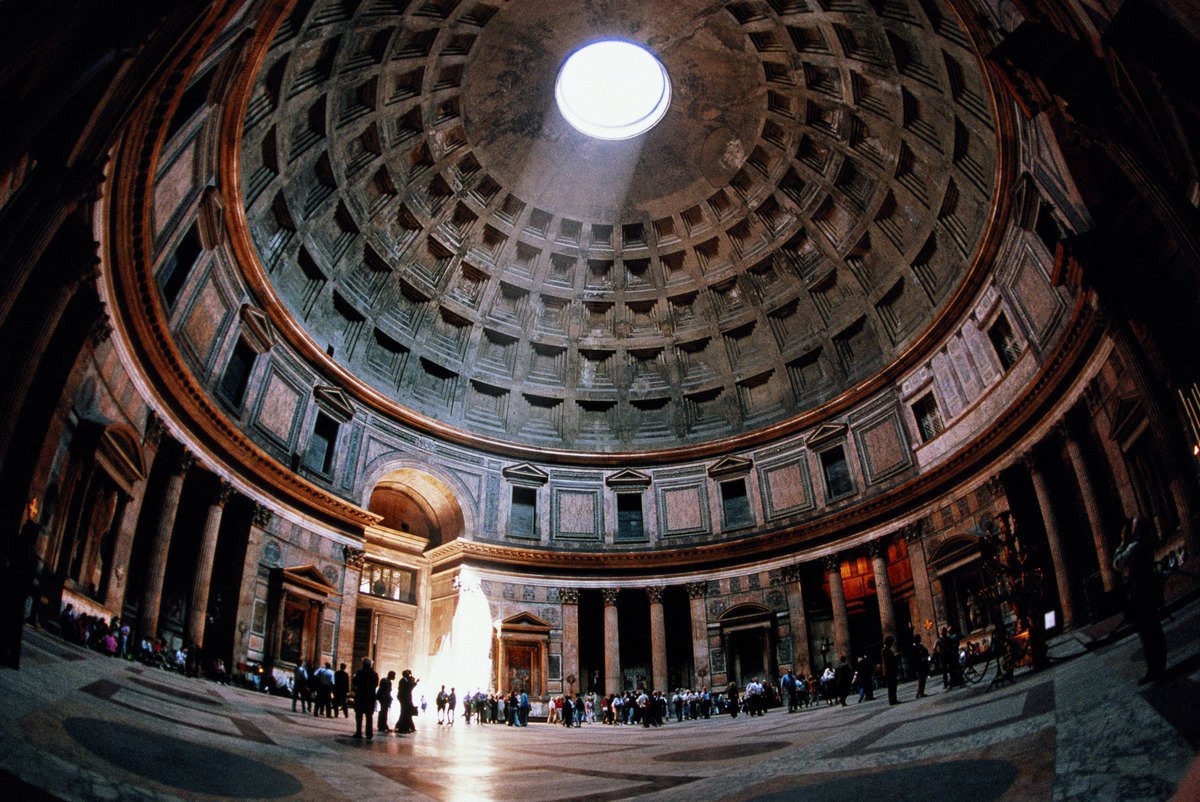
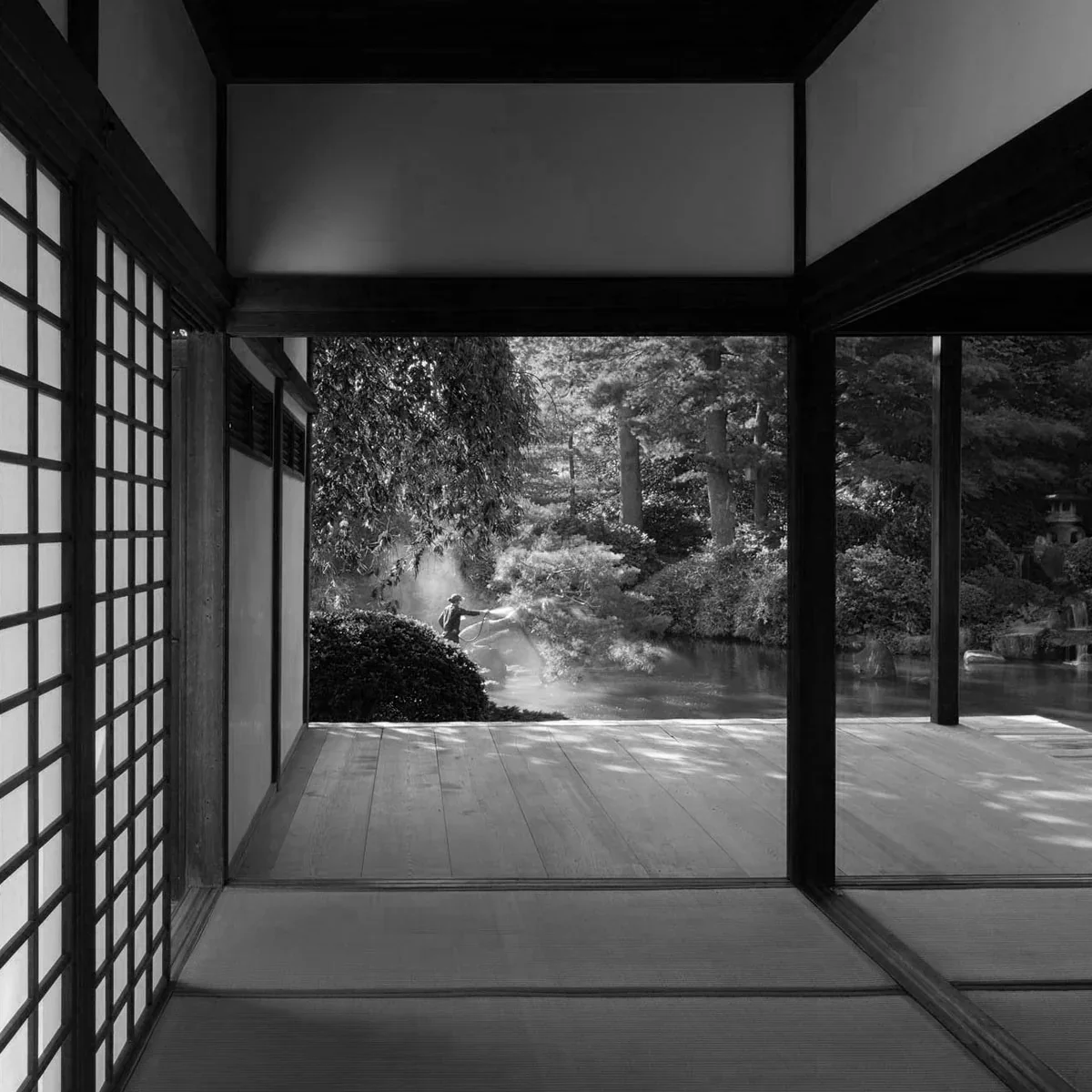
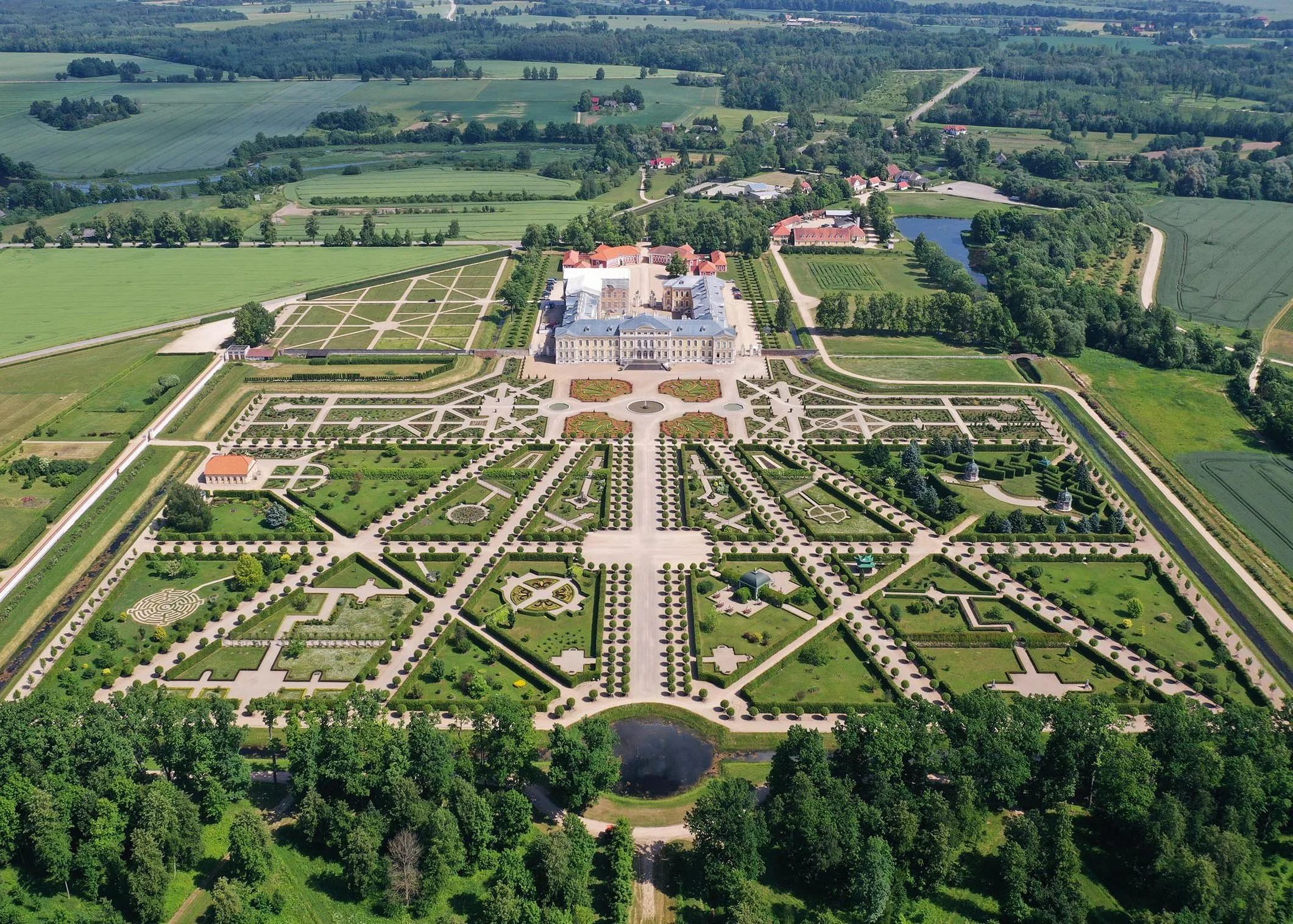
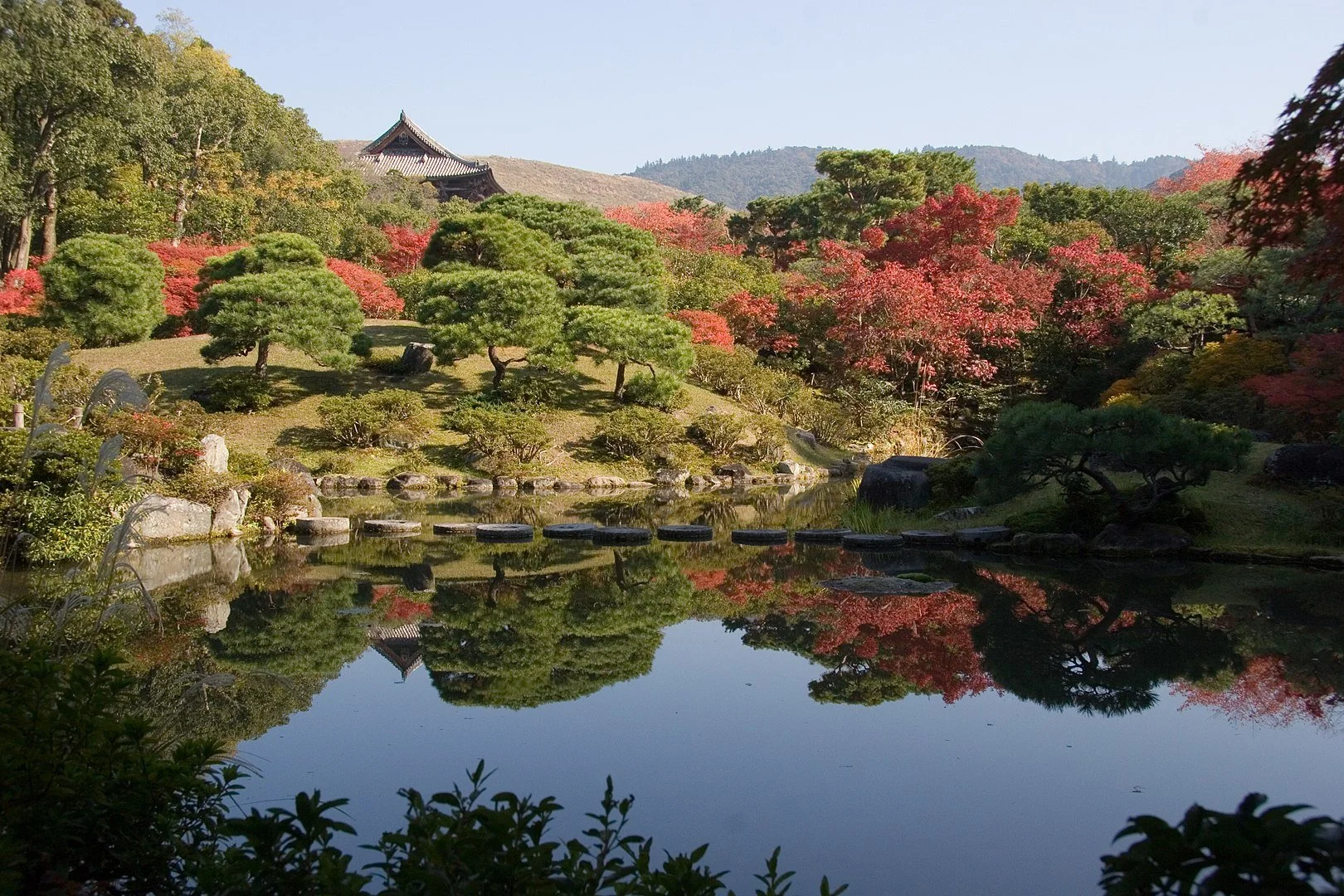
This same sensibility shaped how people moved through gardens. Western gardens guide you along ordered paths toward predetermined viewpoints. The experience is sequential, directional, culminating. Japanese gardens use stepping stones whose placement is precise in ways that aren't immediately obvious. The spacing controls your walking speed. The angles redirect your body and therefore your gaze. When you slow down to check your footing, you find that a view has been prepared for you at exactly that moment. The garden is experienced through the body, not just the eyes.
Tea, and the Refinement of Restraint
The aesthetic that Zen introduced found its most complete cultural expression not in gardens alone, but in the art of tea.
Chanoyu — the tea ceremony — emerged from Zen temple culture and was codified by figures like Sen no Rikyū in the sixteenth century into something that went far beyond the preparation of a drink. It became a complete spatial and aesthetic philosophy: the wabi sensibility, which valued imperfection, transience, and the beauty of the unadorned.
The tea room — typically a tiny thatched structure, deliberately rustic, entered by crawling through a low entrance that required all guests to bow equally — was the architectural expression of this philosophy. The tokonoma alcove held a single scroll, a single flower arrangement. Nothing more. The room itself was the message: that in the right frame, a cracked bowl or an asymmetrical stone could hold more meaning than any amount of ornament.
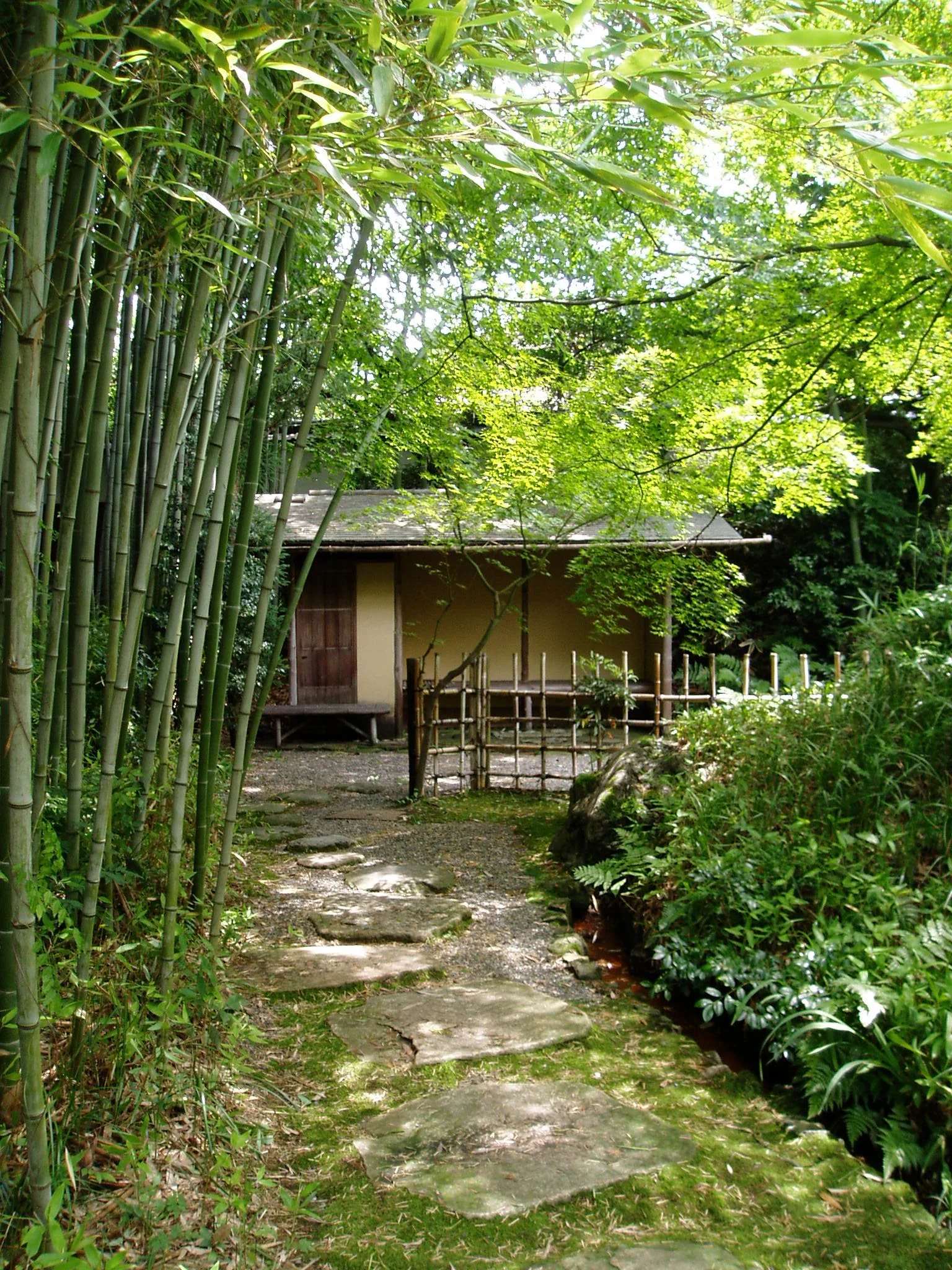
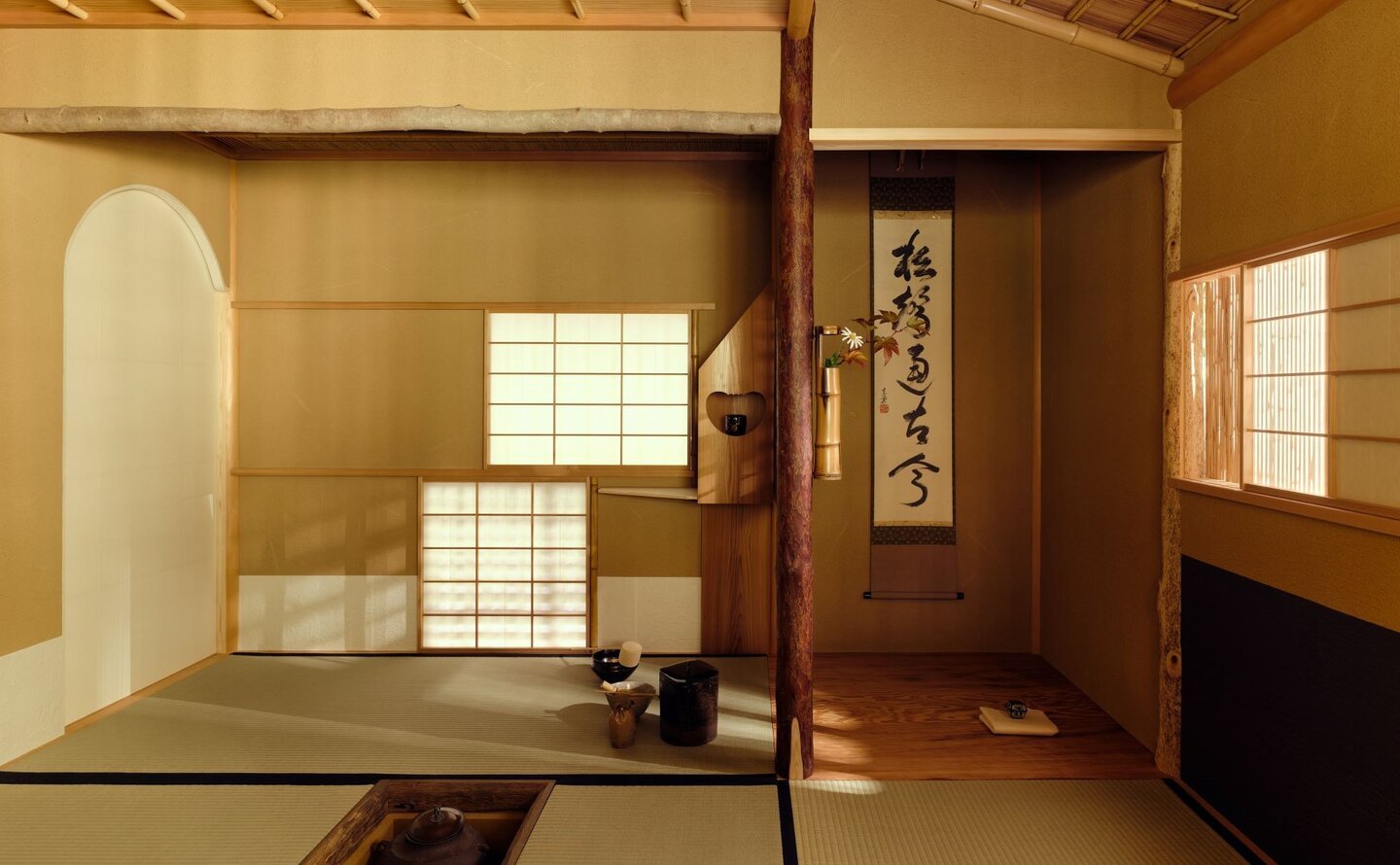
What is striking is how this aesthetic filtered upward through Japanese culture, rather than downward. Sen no Rikyū himself came from a merchant family in Osaka — not from the warrior class, not from the nobility. Yet he became the most influential arbiter of taste in an age dominated by warlords, a trusted advisor to Toyotomi Hideyoshi at the height of his power. Rare tea implements became objects of enormous political value: gifts between lords, treasures worth more than land. The ability to appreciate and collect such objects — and to host a tea gathering that demonstrated refined judgment — became as important a mark of leadership as military capability.
That a merchant's son could become the most powerful cultural voice in a country run by warlords suggests that, in Japan, the ability to perceive beauty has never been entirely subordinate to the ability to wield force. In most cultures, aesthetic taste travels downward — from court to merchant, from palace to street. That it could travel in the other direction, and be received at the highest levels of power, reflects something particular about how Japan has always understood the relationship between refinement and authority. Rikyū's sensibility did not merely appeal to the warrior class — it resonated with something already present in them, a recognition that how one inhabits the world matters as much as what one controls in it.
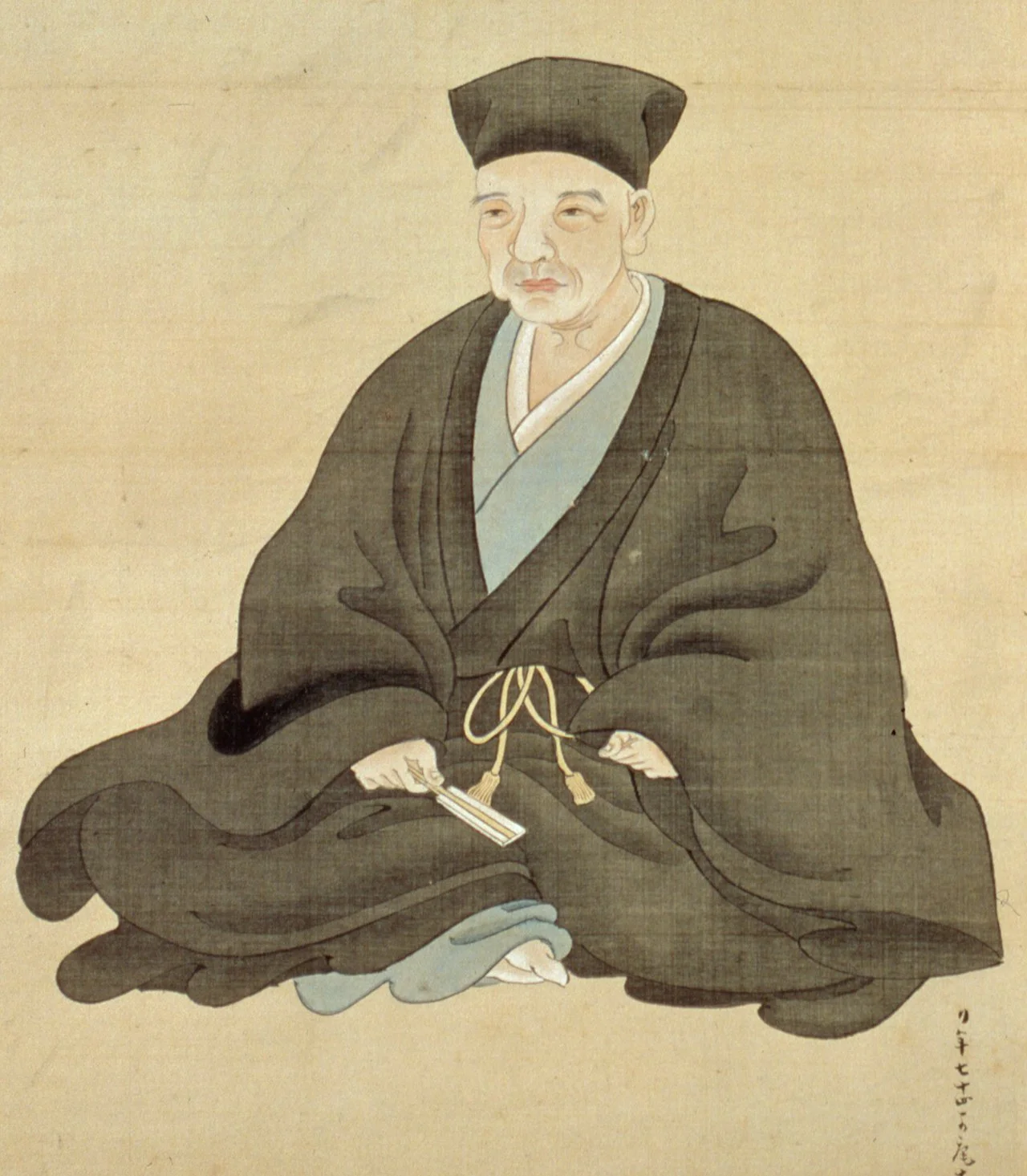
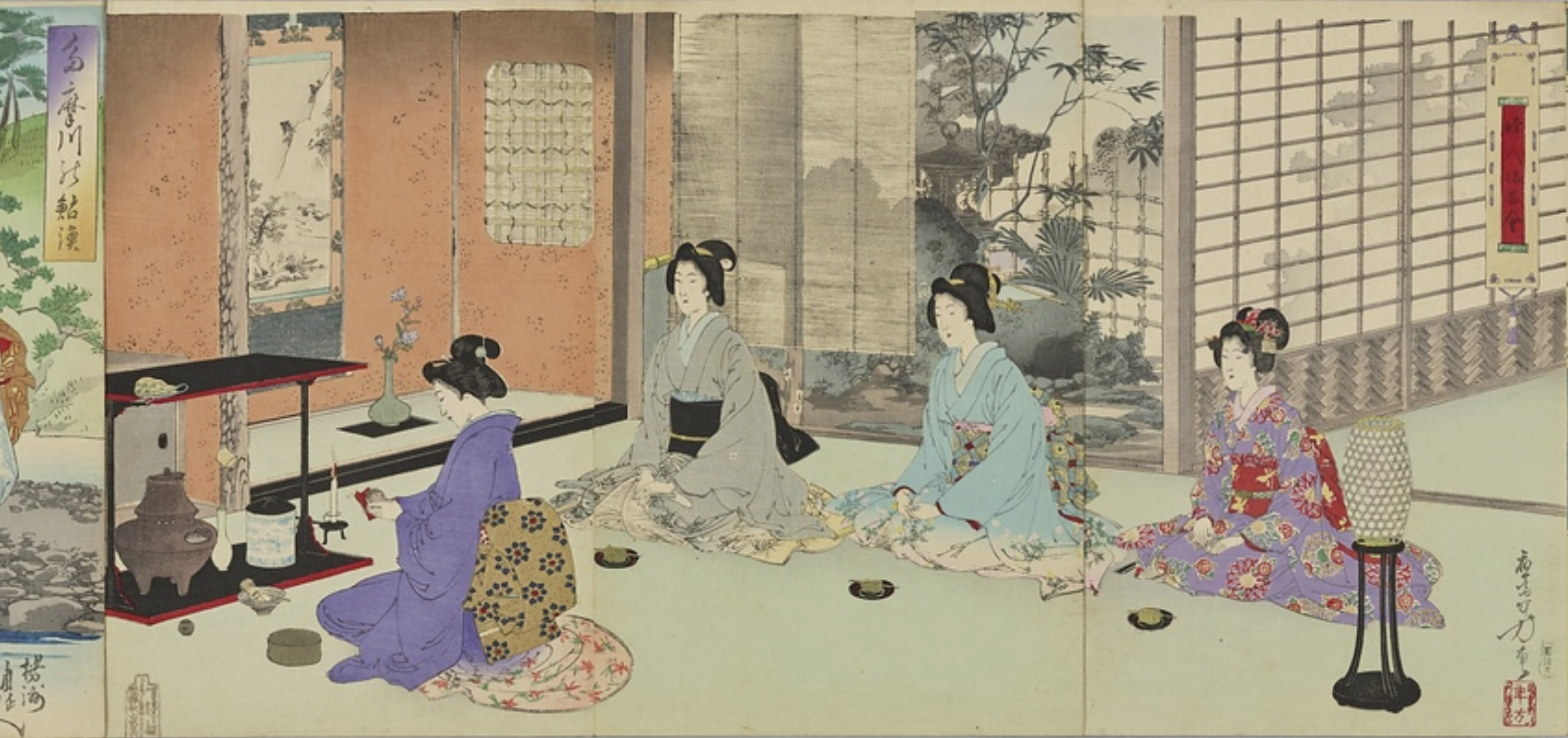
This is, as far as I know, without parallel in other cultures. In China and Korea, where Zen-related traditions existed, this particular fusion of minimalist aesthetics, ritual practice, and political power did not develop in the same way. The tradition survives most coherently in Japan — not as a museum piece, but as a living practice with schools, practitioners, and a continuous lineage stretching back centuries.
When Space Became Power
Something important happened as Japan moved from the aristocratic culture of the Heian period into the age of the samurai. The Heian court's architecture — shinden-zukuri — reflected an aristocratic sensibility: open, fluid spaces that dissolved the boundary between interior and garden. Sliding panels opened entire walls. The garden was not something you looked at from inside; it was something the building reached toward.
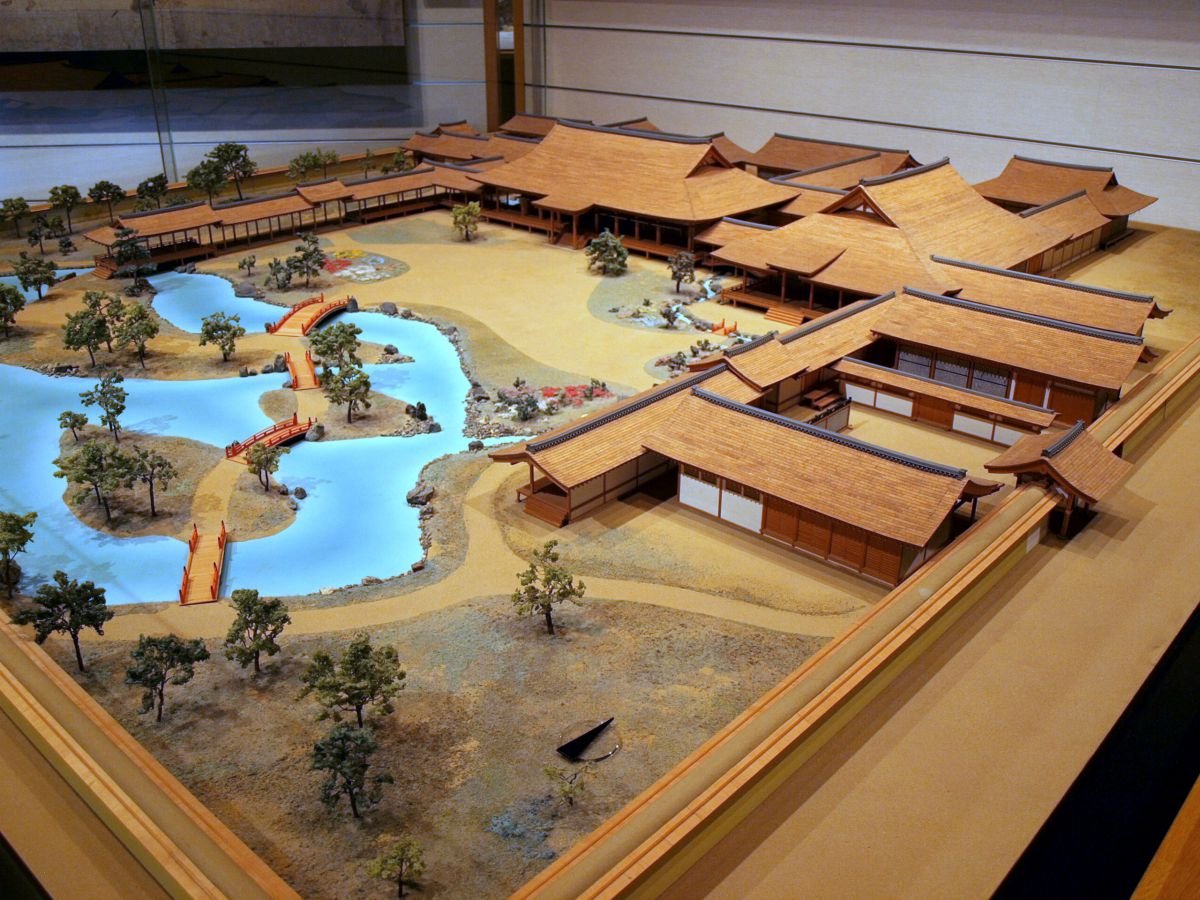
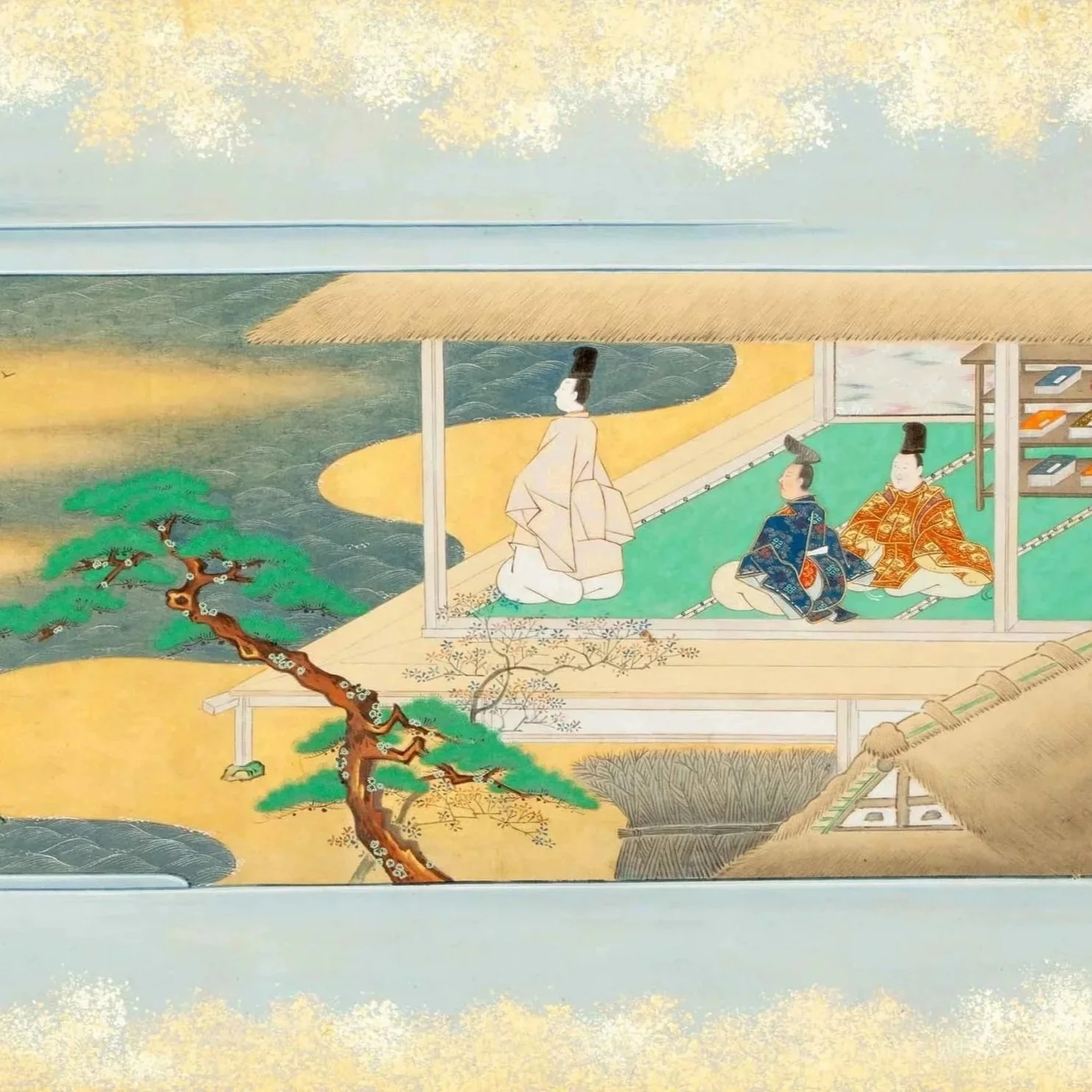
The rise of the warrior class brought a different architecture: shoin-zukuri, the spatial language of the samurai. The change was not merely aesthetic. The samurai world was, in structure, not unlike a large modern corporation — a hierarchy of roles and ranks, each with its own protocols, privileges, and obligations, precisely defined and rigorously observed. A retainer's rank determined where he could sit, which rooms he could enter, how he was addressed, and how he addressed others. These were not informal customs. They were the grammar of authority, and breaking them carried real consequences.
Shoin-zukuri made this hierarchy visible in architecture. Rank was legible before anyone spoke — communicated through the calibration of materials, ceiling heights, floor levels, and the selective granting of access to particular spaces. To understand what this meant in practice, consider Nijo Castle's Ninomaru Palace in Kyoto — one of the finest surviving examples of this architecture, built by Tokugawa Ieyasu in 1603 and expanded under his grandson Iemitsu in 1626.
You enter through the Tōzamurai, the outermost waiting room — the largest building in the complex. This is where most visitors stopped. The walls are painted with tigers, an explicit statement of Tokugawa power designed to unsettle before any conversation began.
Move deeper, and the spaces change — not just in size, but in material and finish. Ceiling heights rise. The quality of timber shifts: in the outer rooms, ordinary pine; further in, perfectly straight-grained hinoki cypress, chosen for the visual purity of its grain. The ceiling structure itself communicates rank — simpler coffered ceilings in the outer rooms give way to double-raised coffered ceilings in the Ōhiroma, the Grand Audience Chamber. Floor level does the same work: the jōdan no ma, the raised upper platform, placed the shogun physically above all visitors. Even a difference of a single step communicated, without words, who occupied what position.
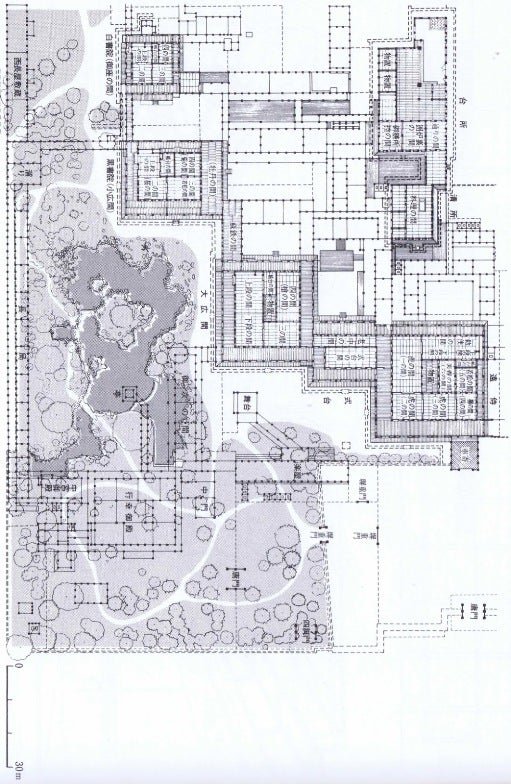
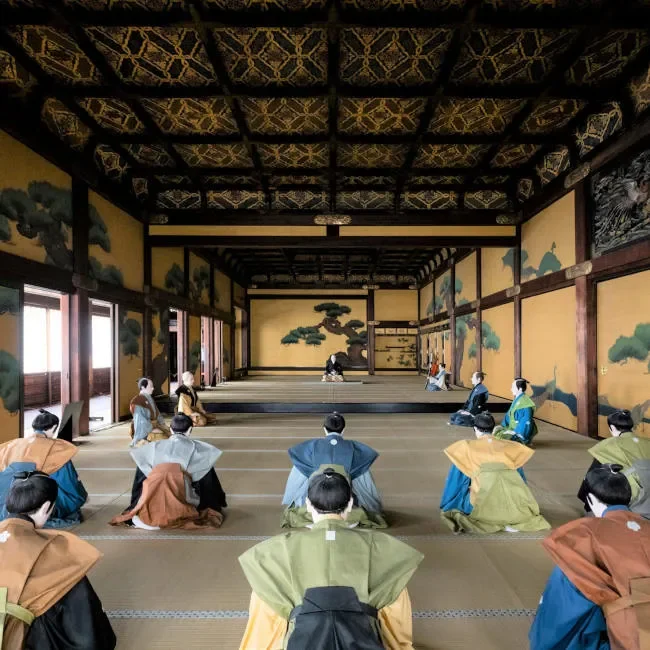
The garden beyond could be seen from these inner rooms — but only from specific vantage points, and only by those who had been permitted to reach them. Access to the garden view was itself a privilege, distributed by rank.
There is one further layer to Nijo Castle worth noting. The castle was also the site where the shogun received the Emperor. And in that particular room, the spatial hierarchy was inverted: the Emperor sat on the raised platform. The shogun, for all his military power, sat below.
This was not a concession. It was a statement of legitimacy. The title of Sei-i Taishōgun — Great Barbarian-Subduing General — was conferred by the Emperor. But it was conferred only after the shogun had made himself impossible to refuse — by force, by strategy, by outlasting every rival. This was the essential bargain at the heart of Japanese power: the Emperor legitimized whoever had already proven they could not be denied, and in doing so, preserved his own indispensability. Neither could exist without the other. It is a structure that has functioned, in various forms, for well over a thousand years. The room made this visible in the same way it made everything else visible: honestly, precisely, without words.
What Remains
The Meiji period (1868–1912) brought these traditions into direct contact with the West, and the exchange went in both directions. Japanese garden philosophy reached Western architects and designers — Frank Lloyd Wright among them. Within Japan, designers like Ogawa Jihei found ways to merge traditional techniques with modern sensibilities, his gardens at Murin-an and the Heian Shrine remaining among the most admired of the era.
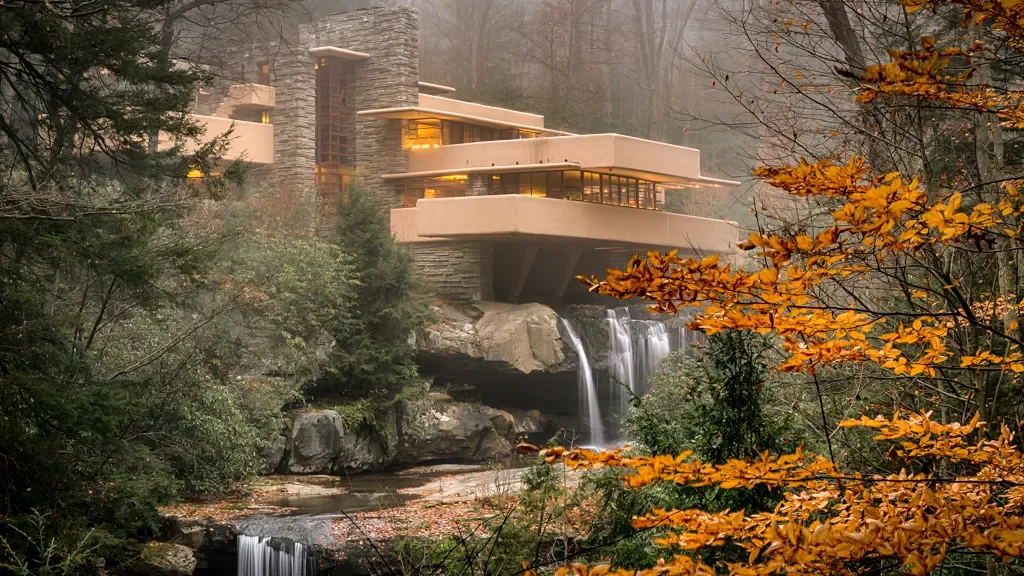
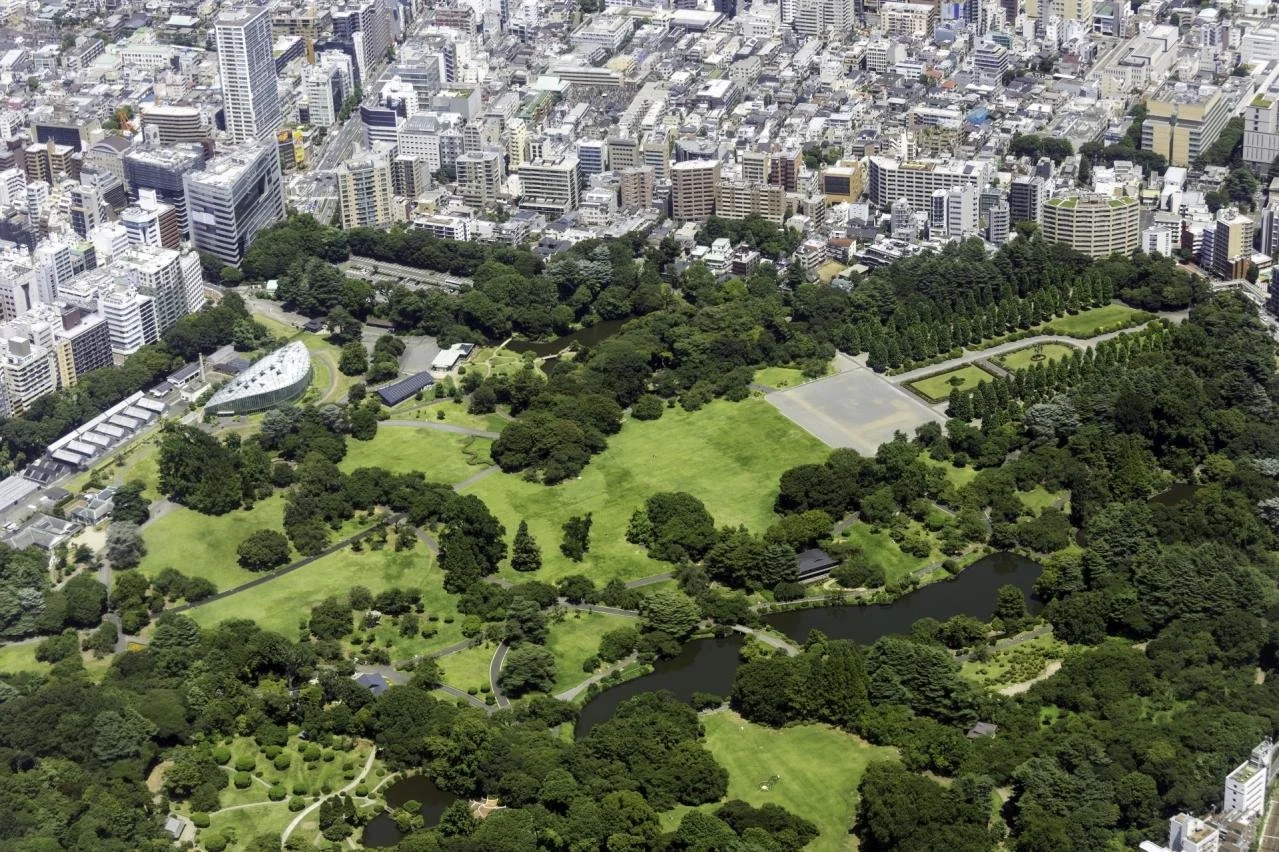
Today, Japanese garden philosophy draws renewed interest as a model for sustainable design — spaces that work with natural processes rather than against them. The wabi aesthetic has influenced design and architecture worldwide, often in diluted form, stripped of its philosophical roots. The tea ceremony continues as a living practice.
What I keep returning to, though, is something simpler than any of that. A Japanese garden is not trying to show you something finished. It is trying to put you in a particular relationship with time, with incompleteness, with what lies just outside your field of vision.
That feeling you can't quite name when you walk through one — I think it's the experience of being invited into a space that wasn't designed to be understood all at once.
Which is, perhaps, the point.
