Time, Space, and Insight - Uninterrupted.
For those who want more than a destination — a private journey through Japan, guided by someone who has spent a lifetime learning to see it from both sides.
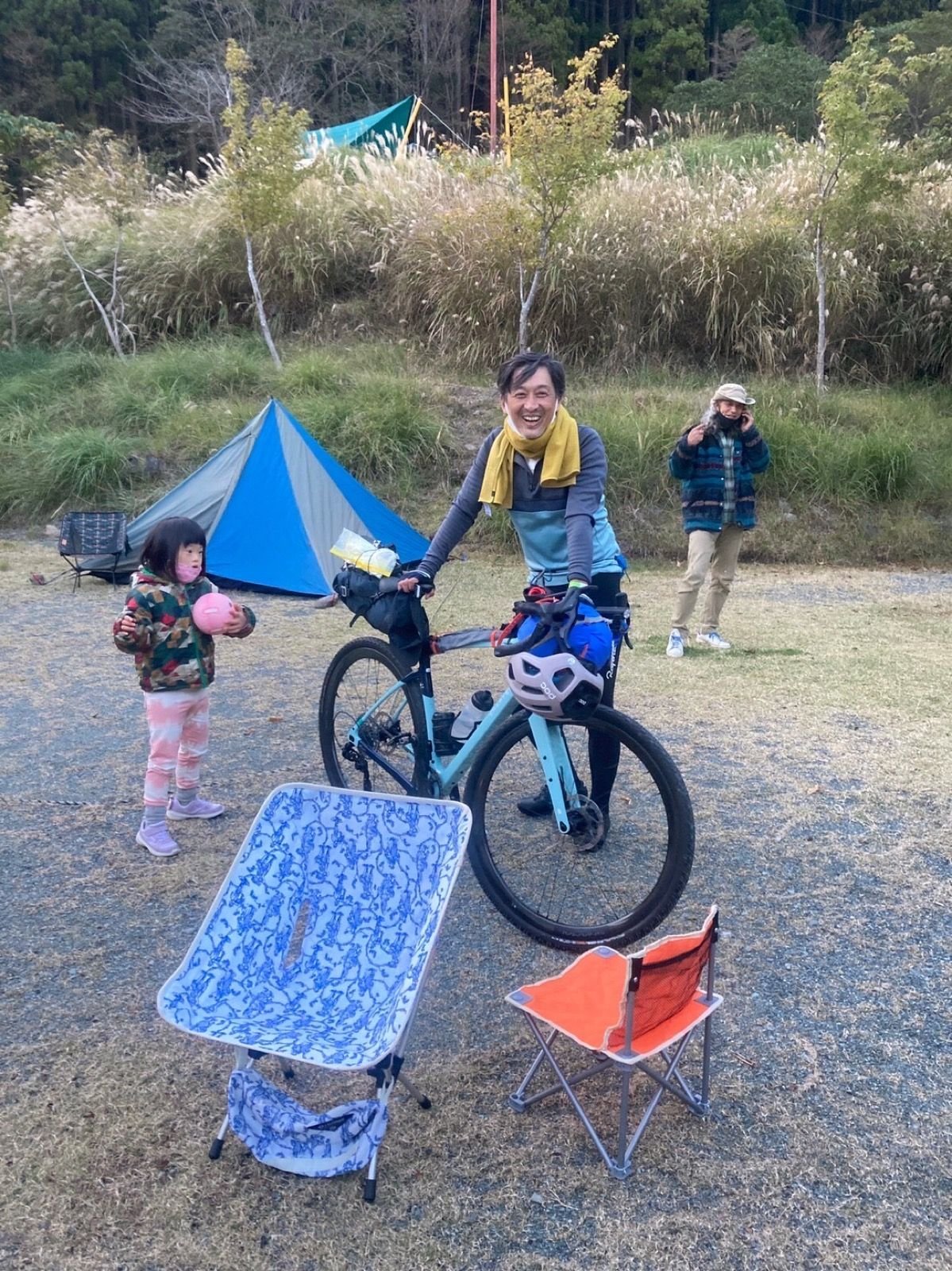
About The Guide
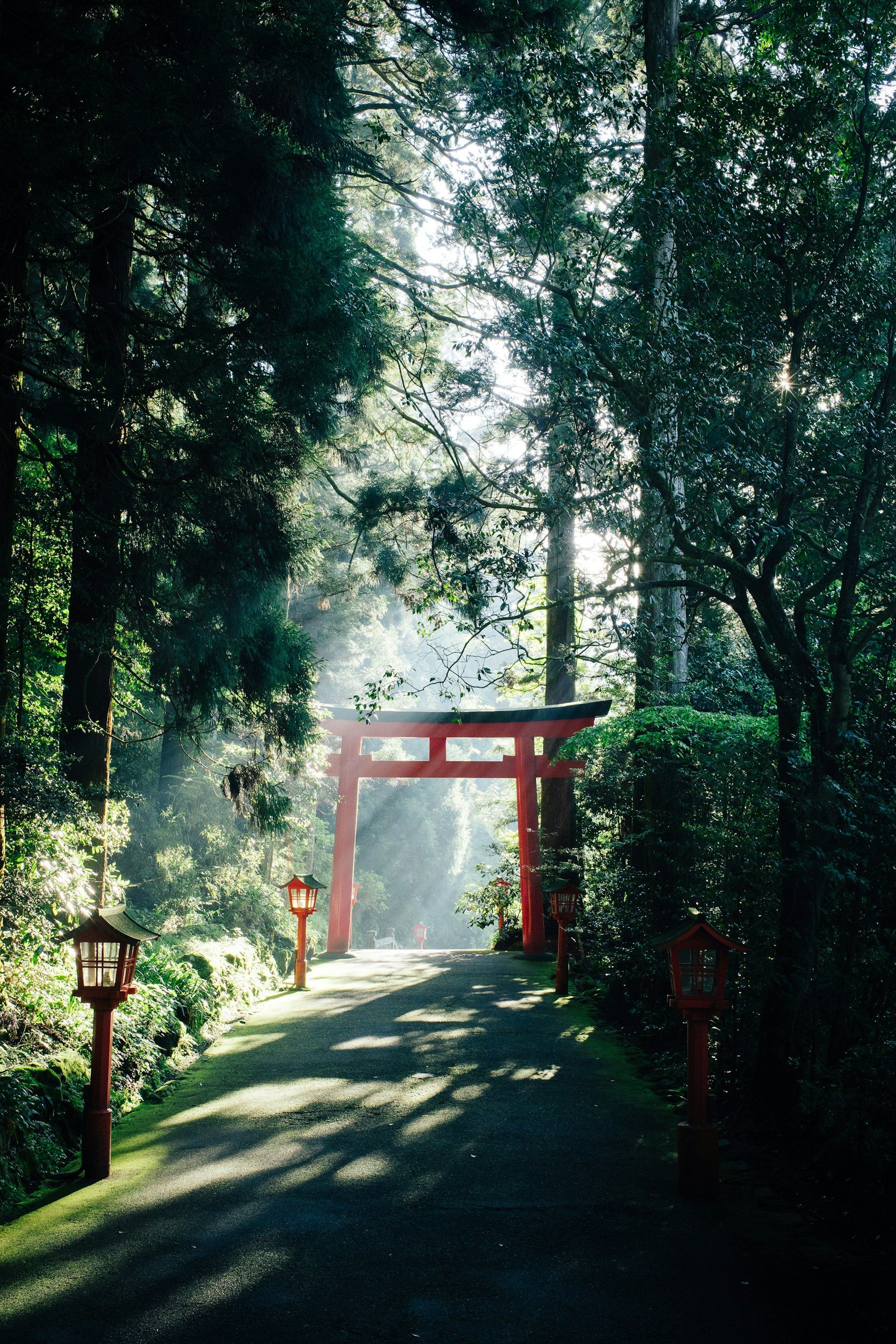
Parallax - The Nature of the Journey
When the light shifts, what was hidden comes into view.
Travel does something similar. Standing in an unfamiliar place, there is first a quiet sense of wonder. Then, slowly, something stirs. Why was this made this way? Why does it feel this way? How do the people here appreciate this? And how do they see us?
I don't try to fill that feeling too quickly. Silence has its own meaning, and breaking it too soon feels like a loss. I wait for the moment it finds words. When it does, what follows is not an explanation but a conversation—about Japan, about home, about oneself. The kind of questions worth carrying long after the journey ends.
There is a concept in astronomy called parallax: the same object, measured from a different position, suddenly reveals a distance that couldn't be seen before. Japan has a way of doing that—of shifting your position just enough that something new comes into focus.
Where This Perspective Comes From
In high school, I left Japan the way one flees—from entrance exams, from a path already laid out. I wanted out. I wanted to see something different. That was all.
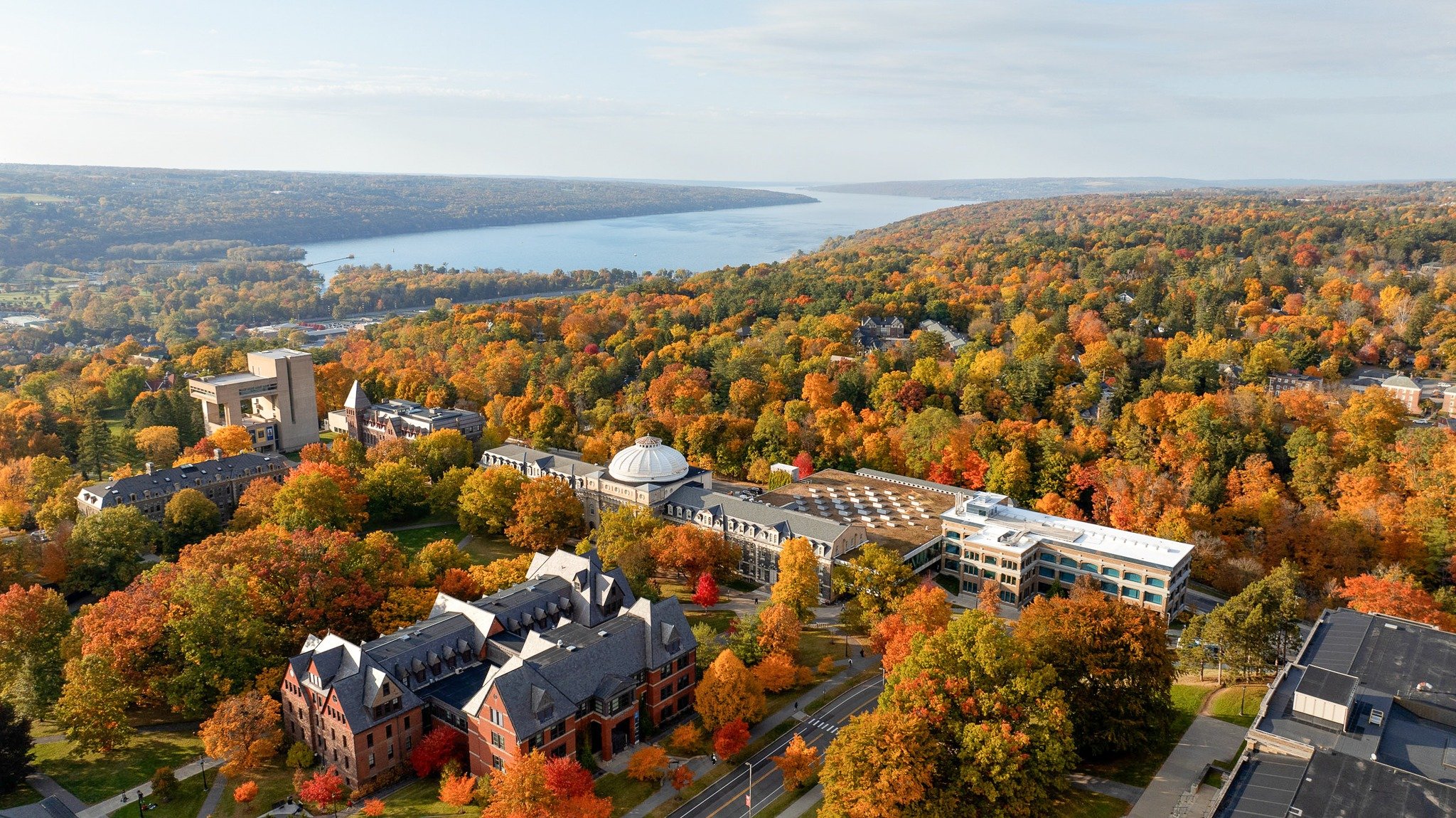
At Cornell, I studied architecture. What the program instilled was less about design technique and more about a heightened sensitivity to how space shapes movement, emotion, and thought. It was that training, I think, that made things click years later—how the stepping stones leading to a tea room control the pace and gaze of the visitor, why a Japanese garden grows from a fundamentally different understanding of nature than its Western counterpart— It's a line of thinking I've tried to follow further, in the blog, if you want to go deeper.
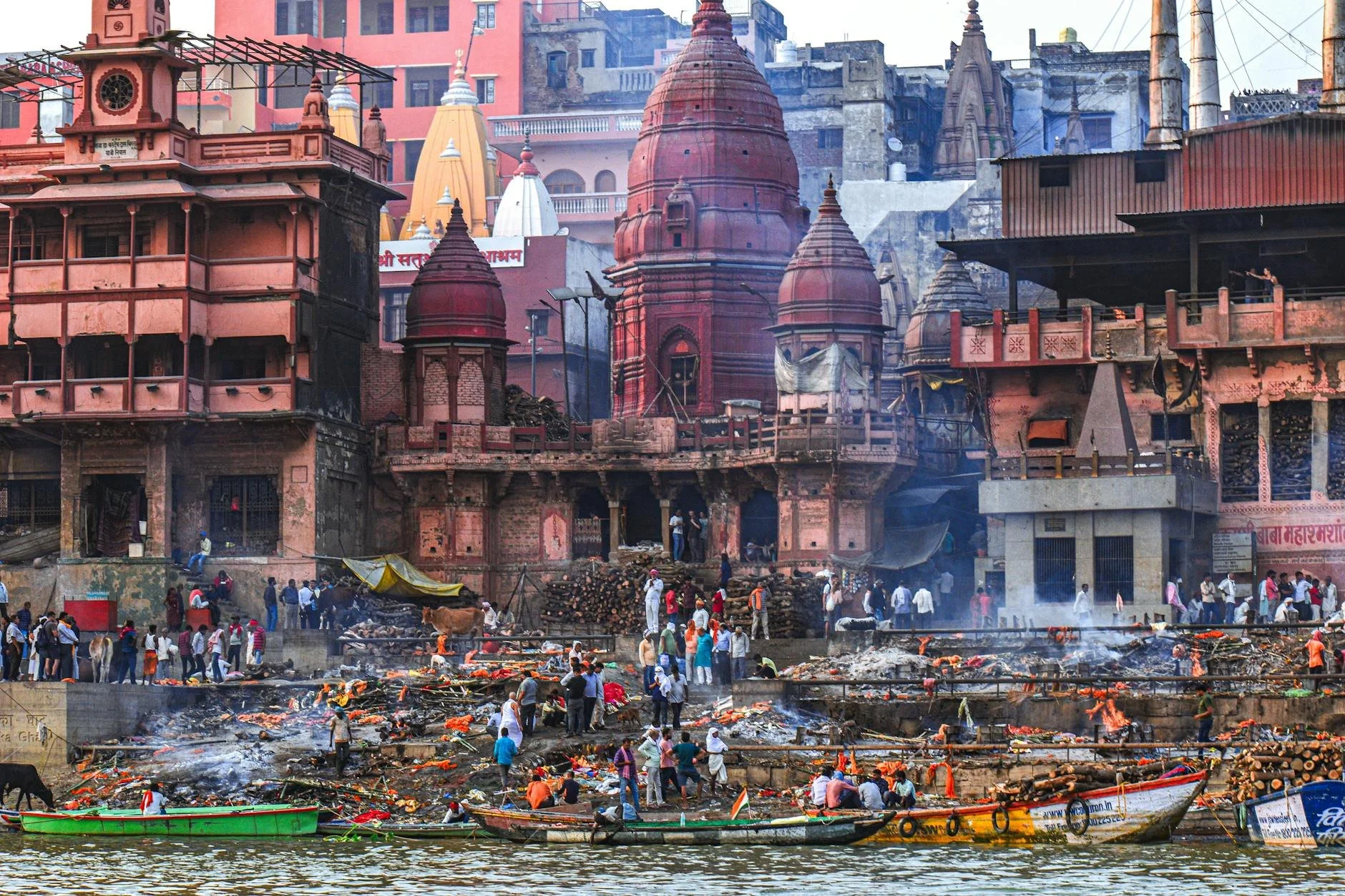
Living in the United States gave me a way of seeing Japan from the outside. But there are things a simple binary cannot reveal. Before graduating, I made an impulsive decision to go to India. What I encountered in Varanasi—a city that has held its shape for thousands of years through an organic mixing of peoples and lives—showed me a form of coexistence utterly unlike what America means when it speaks of diversity. And that contrast added a new dimension to everything I thought I understood about both countries.
Returning to Japan, I saw familiar landscapes differently. People of different eras and different backgrounds had washed up on these islands, and in an environment with nowhere to run, they had spent centuries feeling out the distance between each other—pulling apart and coming together, again and again. The result is a society that was once deeply plural, and is now deeply integrated. I hope that visiting Japan gives you a chance to discover those traces of diversity for yourself.
The years I spent working in finance after returning gave me a view from inside Japanese society. Three places, each seen from the inside. That is the ground I stand on as a guide.
Experience in the Field
I came to guiding almost by accident. When Japan reopened its borders after years of pandemic closure, many experienced guides had moved on—and the industry found itself suddenly short-handed. A friend made an introduction, and I said yes, mostly out of curiosity. It fit alongside my existing work, so I gave it a try—and found, to my genuine surprise, that I loved it. A guest once told me it was my calling. I'm inclined to agree.
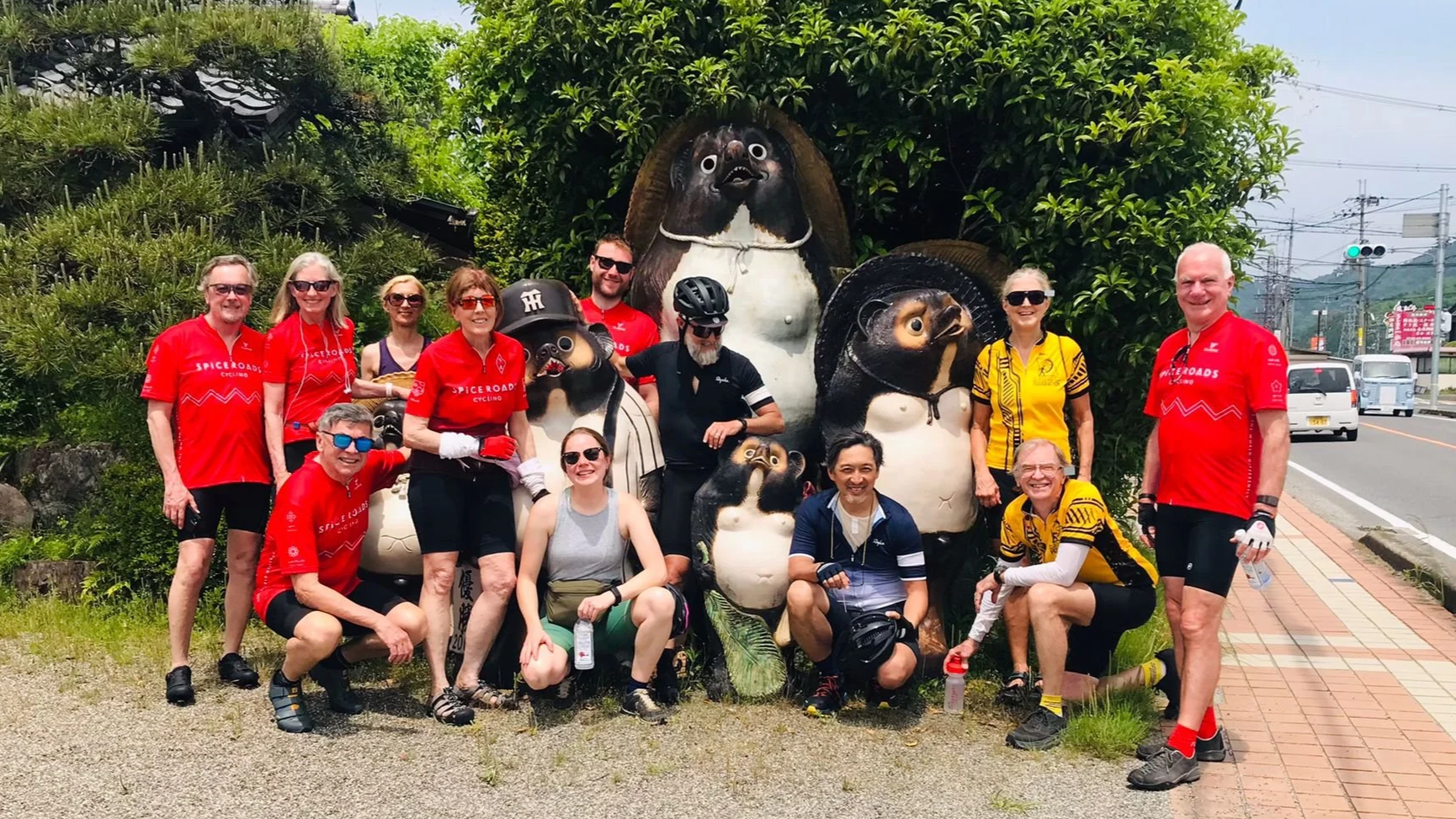
I work primarily as a National Guide for Backroads, one of the world's leading premium adventure travel companies, leading cycling and walking tours through the Noto Peninsula, Nikko, Izu, Toyama, and Kyoto. I have also led tours for Spiceroads and Exodus, ranging from week-long cycling itineraries to two-week journeys across Japan by public transport. What keeps me coming back to Backroads, beyond the quality of the operation, is the people—a standard of hospitality that is professional without being performative, and trip leaders who are genuinely good company at the end of a long day.
Spring and autumn keep me fully engaged with these tours. It was in thinking about the quieter summers and winters—wondering what a slower, more open kind of journey might look like—that this style of guiding took shape naturally. Just one car, one guide, and the kind of unhurried time that invites a different kind of conversation.
There is rarely time, in the field, to follow certain questions to their depth. The blog is where I sometimes continue those threads — giving language to intuitions many visitors sense but cannot quite articulate while standing in a new place. You are welcome to read there, before or after we meet.
Get to Know Me
-
I am Atsushi Ishihara. I live just north of Tokyo, in Saitama, with my wife and three daughters—in 8th, 7th, and 3rd grade.
-
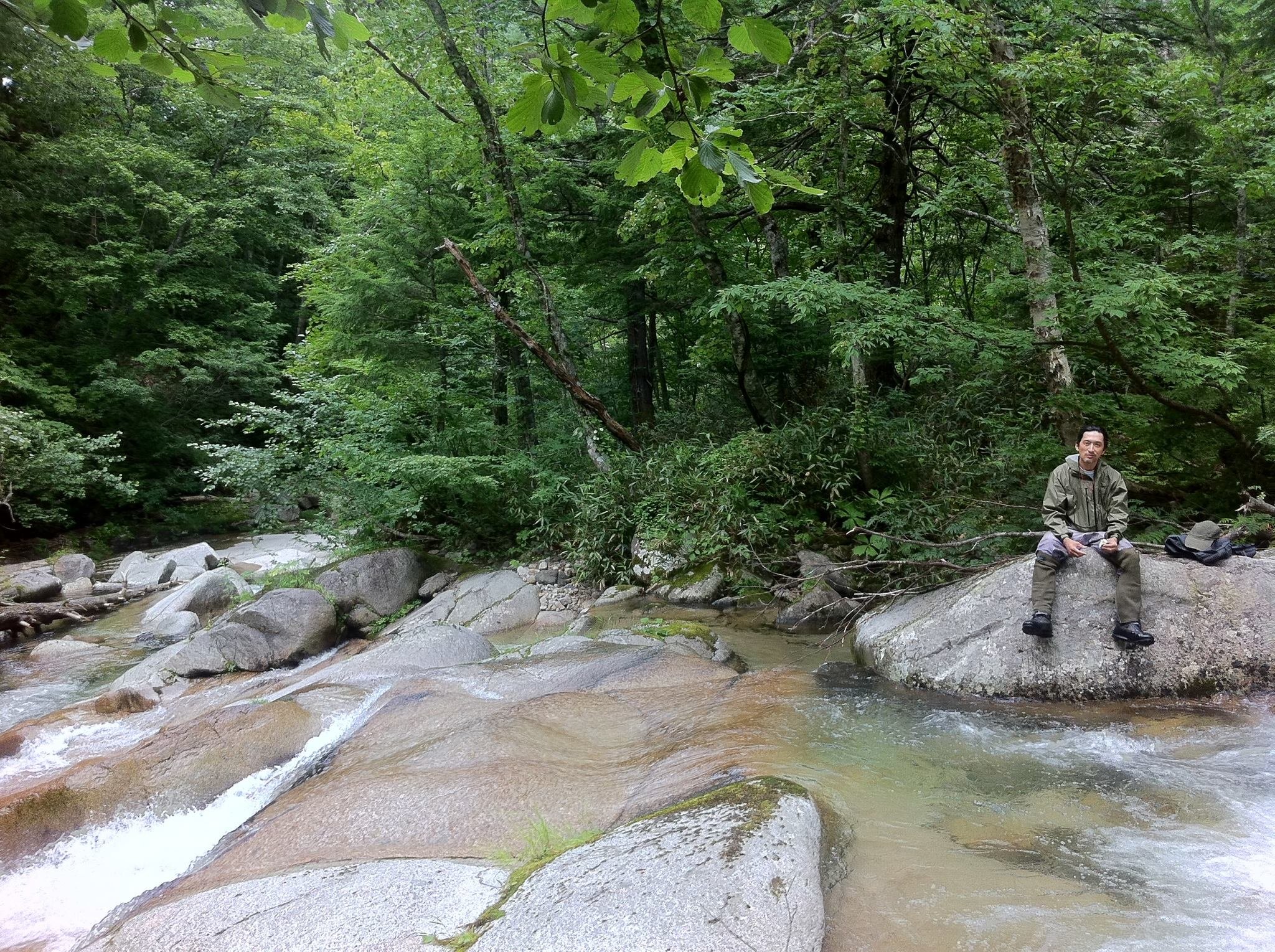
Road trips and hot spring tours with the family, gravel cycling, fly fishing in mountain streams, and losing myself in modular synthesis—among other things.
-
Buckminster Fuller's Critical Path.
-
Grateful Dead’s Live/Dead
-
A conversation about the unexpected parallels between ancient Judaism and the earliest forms of Shinto. It opened up more questions than it answered—which is exactly the point.
-
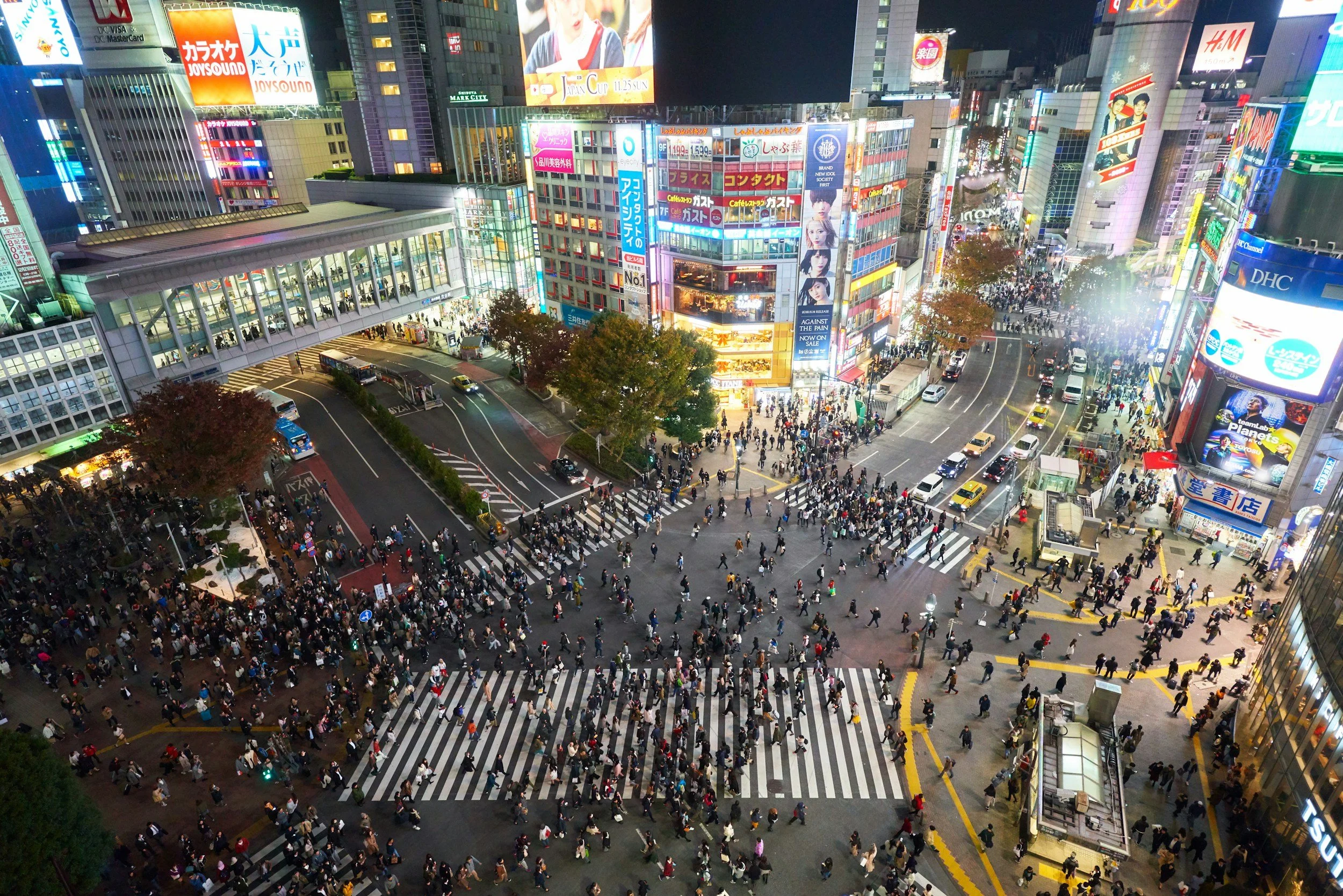
Shibuya and Shinjuku stations. I know both well — or think I do. But the renovations never stop, and every visit brings something new: a building that wasn't there before, a walkway rerouted, a floor numbered differently depending on which side you enter from. At some point you stop trusting your sense of where ground level actually is. You're not lost, exactly. You just can't tell if you're above the earth or below it. Google Maps helps. Somewhat.
-
Midway through the off-season, when I start counting the weeks until Kyoto.
-
An unagi restaurant. Almost without exception, guests thank me afterward—and honestly, I'm just as happy to be there.
-
Most visitors to Tokyo rush through the major stations — head down, next train in mind, hoping not to get lost. And yes, getting lost is almost guaranteed. But what if that were the point? Branching off in every direction are department stores, sometimes several at once, connected through the same labyrinthine corridors that make these stations so intimidating in the first place. Go below ground and you'll find food halls unlike anything most travelers expect: prepared dishes, regional sweets, fresh pastries — all at prices that would surprise you. In summer, take the elevator to the rooftop and something else appears entirely: a beer garden, full of office workers unwinding after the day. The city rushing below, a cold beer above. The big terminals are worth exploring as a destination in their own right — getting lost included. If you'd rather not do it alone, that's what I'm here for.
-
A man I met on the street in Delhi — the kind of encounter that happens when you're wandering without a plan. He brought me to meet someone he knew: a travel agent, older, talkative, his office walls covered floor to ceiling with photographs of mountains and lakes. I asked where they were. His hometown, he said. Kashmir.
I knew what was happening in Kashmir at the time. Insurgency, gunfire, the kind of news that makes a place sound abstract and dangerous. He waved it off. "My family will look after you. It's beautiful. You have to go."
Twenty-seven hours by bus — the kind of ride that makes you question every decision you've ever made. The road was rough enough to rattle your bones, and by hour ten I was somewhere between delirious and desperate. Then the bus crossed into the Kashmir Valley, and I saw it. I found myself in tears before I understood why.
When I arrived, a hotel by the lake had been destroyed by a rocket launcher — blackened walls, still standing. Sandbags along the road. Soldiers. I was scared.
Then: a houseboat on the lake. A month and a half. Fishing in the morning, riding horses in the afternoon, reading, playing with the local kids. The kind of stillness you can only find when you've ended up somewhere completely by accident.
That's what unplanned travel used to feel like. You said yes to a stranger, and the stranger turned out to be right. It doesn't always work out that way. But sometimes it does.
-
Find the best alternative I can think of in the moment. Giving up is not an option.
What I can offer
The traditional setup for private tours in Japan involves a driver and a separate guide — two people, each with a defined role. It works well.
This is simply something different.
I drive. I guide. The conversation happens naturally, without the partition. We're in the same car, going the same direction, figuring things out as we go. It's closer to traveling with someone who knows the place well than hiring a service.
This is also something genuinely new. A recent change in Japanese law now allows licensed guides to drive their own guests — a combination that wasn't legally permitted before. It means the guide who planned your day, who knows the roads and the places, is the one behind the wheel.
We're not dependent on train schedules or taxi availability. We go where we want, when we want — and when something unexpected comes up, we can follow it.
The cost works out too. Splitting a guide fee between two or three people, with no separate driver to account for, tends to be more reasonable than you'd expect for what the day actually looks like.
How It Works
-
Every trip is built around your interests — the tour pages on this site are examples of what's possible, not fixed programs. Start times depend on the activity: fishing trips often begin before dawn; city days typically start mid-morning. The day ends when it ends — no clock-watching. Multi-day trips are also possible — just ask.
-
My day rate is $1,000 for up to two guests. For three or four guests, an additional $200 per person applies. For multi-day trips, the rate is $1,000 per day.
Vehicle costs are billed at $1 per mile, plus expressway tolls at actual cost. Admission fees and your meals are charged at actual cost. My own meals are on me.
What does a day actually cost?
The guide fee is a flat $1,000 for up to two guests. Beyond that, the main variable is distance — vehicle costs run at $1 per mile, with expressway tolls charged at cost.
Three examples, to give a sense of the range:
A day in Kamakura — about 100km round trip from central Tokyo. Guide fee $1,000, vehicle approximately $60, tolls approximately $11. Total before meals and admission: around $1,070. Split between two guests, roughly $535 each.
A day in Nikkō, including Oku-Nikkō — 400km round trip, up through the Irohazaka switchbacks to Chūzenji and Senjōgahara. Guide fee $1,000, vehicle approximately $250, tolls approximately $49. Total before meals and admission: around $1,300. Per person: roughly $650.
Two days in Izu — an overnight itinerary covering the peninsula properly, approximately 600km in total. Guide fee $2,000, vehicle approximately $375, tolls approximately $40. Total before accommodation, meals, and admission: around $2,415. Per person: roughly $1,200.
Meals, accommodation, and admission fees are charged at actual cost. Receipts are provided.
Tipping is entirely optional — but always appreciated if you feel the day was worth it.
-
Reach out via the contact form — once we're in touch, we can continue by email or WhatsApp. Nothing is locked in automatically; you'll always know exactly what you're committing to before any payment is made. To confirm your booking, a 50% deposit is required via PayPal or Wise. The remaining balance is due on the day of the tour.
FAQ
-
Day trips can take you well beyond Tokyo — north to Nikko, Karuizawa, or Kusatsu Onsen; east to the Boso Peninsula; south and west to Kamakura, Hakone, Mt. Fuji, and the Izu Peninsula. For multi-day trips, the range opens up considerably. If you have somewhere specific in mind, just ask.
-
There's no fixed rule, but earlier is better — especially for spring and autumn, when my schedule fills quickly. If you have specific dates in mind, reach out as soon as you can.
-
We adapt. Some of the best moments on a tour happen when the original plan changes. I'll always have alternatives ready.
-
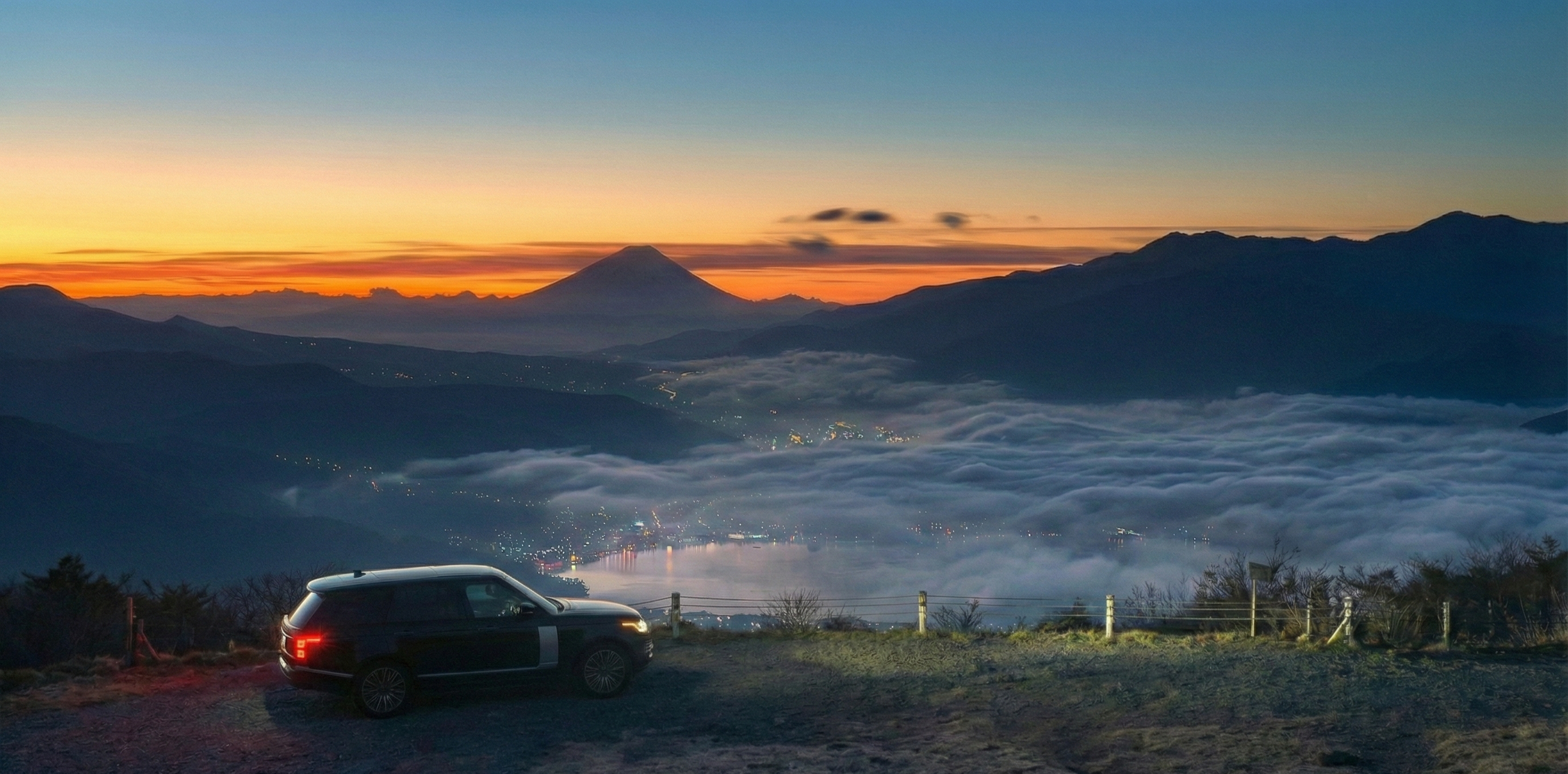
I drive a 4th generation Range Rover (L405 V8 5.0 SC) — comfortable for up to four guests. For groups of five or more, a rental vehicle can be arranged; the rental cost will be quoted separately, and the per-mile vehicle charge will not apply in that case.
-
Yes — I hold a National Government Licensed Guide Interpreter license, Japan's highest-level national certification for tour guides. Interestingly, I came to this work before I had the credential. A 2018 reform opened up the profession, and I simply started guiding — with enough experience from years at Backroads that the license felt unnecessary. What changed my mind was a 2024 revision to Japan's road transportation guidelines, which clarified that certified guides could legally use their own vehicle when accompanying guests. Since driving is central to how I work, I decided to sit the exam — even though I only found out about the testing window two months before it closed. It's offered just once a year, and I honestly wasn't sure I'd pass. I did, on the first try.
-
I’ll try my best. Japan is not always easy to navigate with dietary restrictions — particularly in rural areas, where options can be limited. Gluten-free in particular can be challenging, even in cities. The more I know in advance, the more I can do. With enough notice, I can research options, contact restaurants ahead of time, and make sure the day works for you. Please share any dietary needs when you get in touch — the earlier, the better.
-
Yes, families are welcome. Let me know the ages of your children when you get in touch so I can plan accordingly.
-
To provide a high-quality bespoke experience, the following cancellation policy applies:
More than 7 days prior: Full refund (minus any transaction fees).
3 to 6 days prior: 50% of the guide fee.
Within 72 hours or no-show: 100% of the guide fee, plus any non-refundable expenses arranged in advance.
If you need to reschedule, I'm happy to work with you where my calendar allows. Changes made more than 7 days before the original date are free. Within 7 days, rescheduling is treated as a cancellation under the policy above. Where restaurants or other venues have already been reserved, I cannot always secure equivalent arrangements on a new date. Any fees charged by third parties as a result of rescheduling are the guest's responsibility.
All timings are based on Japan Standard Time (JST), calculated from the scheduled date of your tour. For example, if your tour is on April 10th, the 7-day threshold falls at the end of April 3rd (JST).
Contact
I don't take bookings automatically — every trip starts with a conversation. Use the form to introduce yourself and tell me what you have in mind. I'll get back to you within 48 hours. The calendar shows dates when I'm already booked — if your dates are open, let's talk.